Ax azeem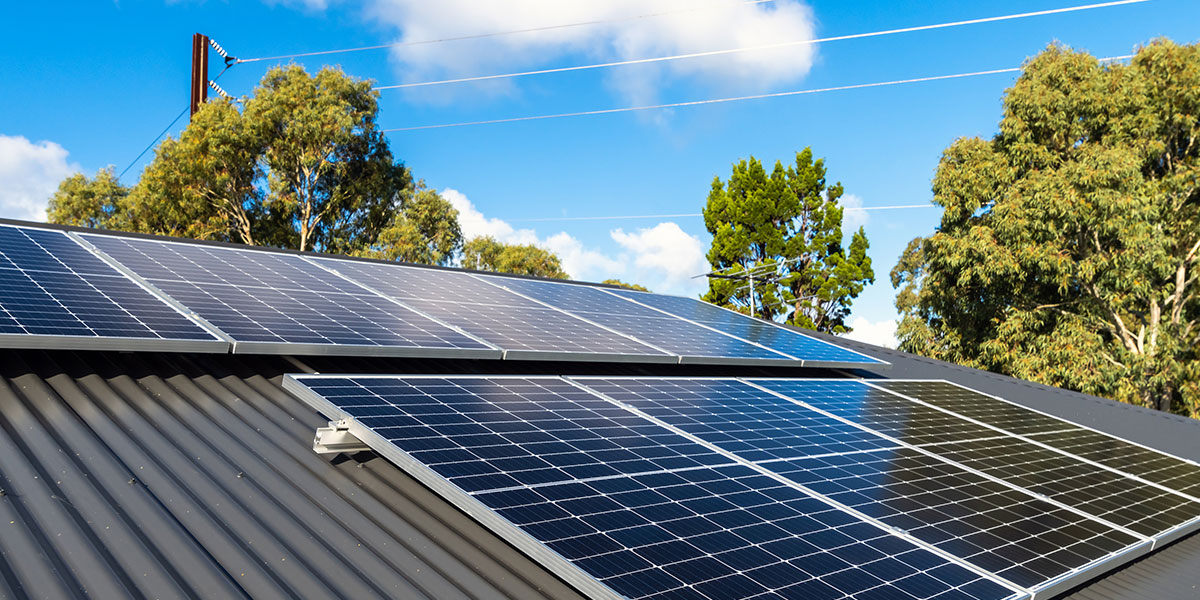
Solar energy is growing fast in Pakistan. Rising electricity bills and frequent load shedding push more homeowners and businesses toward solar power every year. But choosing a solar panel is not simple anymore. Manufacturers now offer different technologies, and two terms keep coming up: N-type and P-type solar panels. If you are searching for the best solar panels for your home or business, understanding this difference will help you make a smarter decision.
What Are P-Type Solar Panels?
P-type solar panels have been the standard choice in the solar industry for decades. These panels use silicon wafers treated with boron. This creates a positive charge in the silicon structure, which is why they are called P-type panels.
P-type panels are popular because they are cheaper to manufacture. The production process is simpler and has been refined over many years. This is why most solar installations in Pakistan, from small homes to large commercial buildings, still use P-type technology.
However, P-type panels have one common issue called light-induced degradation. Over time, boron in the silicon reacts with oxygen when exposed to sunlight. This slowly reduces the panel’s efficiency. Most P-type panels lose around 2 percent efficiency in the first year and then degrade slowly afterward.
What Are N-Type Solar Panels?
N-type solar panels use a different base material. Instead of boron, the silicon wafer is treated with phosphorus. This gives the silicon a negative charge, hence the name N-type.
N-type technology is newer and more advanced. It does not suffer from the boron-oxygen defect, so these panels do not degrade as quickly. N-type panels also tend to have higher efficiency rates because they handle impurities in silicon better than P-type panels.
Many companies now market N-type panels as the best solar panels for long-term performance. This claim holds some truth because N-type panels typically last longer and produce more electricity over their lifetime compared to older P-type designs.
Key Differences Between N-Type and P-Type Panels
Efficiency
N-type panels generally offer better efficiency than P-type panels. Standard P-type panels usually reach efficiency rates between 18 and 20 percent. N-type panels, especially those using TOPCon or HJT technology, can reach efficiency rates above 22 percent. Higher efficiency means more power generation from the same roof space, which matters a lot in Pakistan where rooftop space can be limited in urban areas.
Degradation Rate
This is one of the biggest differences. P-type panels degrade faster due to light-induced degradation. Over 25 years, a P-type panel might lose around 20 percent of its original output. N-type panels degrade much slower, often losing less than 10 percent over the same period. For anyone comparing options to find the best solar panels for a long-term investment, degradation rate is an important factor to check.
Temperature Coefficient
Pakistan has extremely hot summers, especially in cities like Sialkot, Multan, and Lahore. Solar panels lose efficiency as temperature rises. N-type panels usually have a better temperature coefficient, meaning they perform better in high heat compared to P-type panels. This makes N-type technology a strong option for Pakistani weather conditions.
Price Difference
P-type panels are cheaper. This is why most residential and small commercial projects in Pakistan still choose P-type panels. N-type panels cost more upfront because the manufacturing process is more complex and requires better quality silicon. However, the extra cost often pays off through higher output and slower degradation over time.
Lifespan
N-type panels are built to last longer. Manufacturers usually offer 25 to 30 year warranties for N-type panels, while P-type panels typically come with 20 to 25 year warranties. If you plan to use your solar system for decades, this difference matters.
Which Type Should You Choose for Your Home or Business?
The right choice depends on your budget and goals. If you want a cost-effective solution and your budget is limited, P-type panels remain a solid choice. They have a proven track record and are widely available across Pakistan.
If you are looking for the best solar panels in terms of long-term value, higher efficiency, and better performance in hot weather, N-type panels are worth the extra investment. Businesses that rely heavily on solar power, such as factories, workshops, and large commercial buildings, often benefit more from N-type technology because even small efficiency gains translate into significant savings over years of use.
Homeowners in Pakistan should also consider their roof size. If you have limited rooftop space, N-type panels help you generate more electricity without needing extra panels. This is especially useful in cities with dense housing, where roof space is often shared or restricted.
Why This Decision Matters for Pakistani Consumers
Electricity prices in Pakistan keep rising, and many households now depend on solar power to reduce their monthly bills. Choosing between N-type and P-type panels is not just a technical decision. It directly affects how much money you save over the life of your solar system.
Solar panels are a long-term investment. A slightly higher cost today for N-type panels can result in noticeably lower degradation and better output after 10 or 15 years. On the other hand, if your budget is tight and you need a working solar solution now, P-type panels still deliver reliable performance at a lower price point.
Before making a final decision, it helps to compare warranties, efficiency ratings, and price per watt from different suppliers. Many solar companies in Pakistan now offer both types, so you can request quotes and compare which option truly fits your needs. Always ask for the technical datasheet of the panel, since it clearly shows efficiency, degradation rate, and temperature coefficient. This makes it easier to identify the best solar panels for your specific location and rooftop conditions.
Final Thoughts
N-type and P-type solar panels both generate electricity from sunlight, but they differ in efficiency, degradation, temperature performance, and cost. P-type panels remain a budget-friendly and reliable option, while N-type panels offer better long-term performance and durability.
For Pakistani households and businesses planning a solar investment, understanding these differences helps in making an informed choice. Whether you choose N-type or P-type, working with a trusted installer and comparing multiple options will help you find the best solar panels suited to your budget, location, and energy needs. A well-planned solar system, regardless of panel type, can significantly reduce electricity costs and provide reliable power for years to come.


 Acrid Semblance
 Thatware LLP