Richard Clark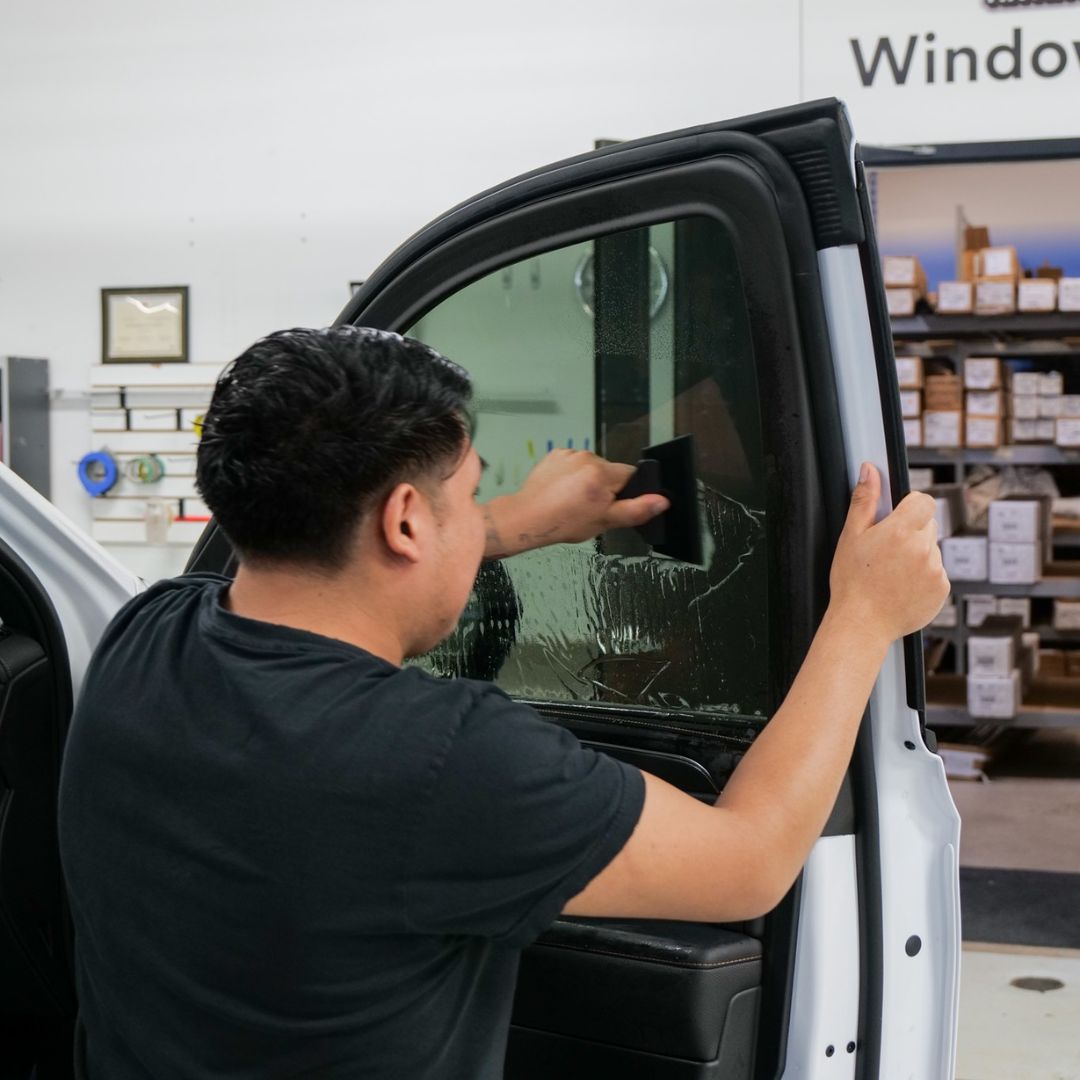
Looking for a way to protect your vehicle and stay comfortable on long drives? Automotive window tint is the answer. It blocks harmful UV rays, cuts down heat, and adds a layer of privacy, all while making your car look sharper. Whether you drive daily or just want better protection for road trips, tinted windows offer practical benefits that go far beyond looks.
What Makes Automotive Window Tint Worth It
Summer afternoons inside a parked car can feel unbearable. The sun beats through the glass, and within minutes, the interior turns into an oven. This is where automotive window tint earns its reputation. It reduces solar heat gain significantly, which means your air conditioning doesn’t have to work overtime. Less strain on your AC system can also help with fuel efficiency over time.
Beyond comfort, there’s a health angle too. Ultraviolet rays from the sun can cause skin damage even through glass. Quality tint blocks a large percentage of UVA and UVB rays, protecting your skin during long commutes. It also shields your dashboard, seats, and upholstery from fading and cracking caused by prolonged sun exposure.
Protection That Goes Beyond Looks
Many drivers assume tint is purely cosmetic. That’s a common misconception. A good car tint job adds a layer of shatter resistance to your windows. If a window does break, the film helps hold glass fragments together, reducing the risk of injury from flying shards. This small detail matters a lot during accidents or break-in attempts.
Privacy is another underrated perk. Tinted windows make it harder for people to see valuables left inside your car, which can deter opportunistic theft. For families, this added privacy also means kids and passengers aren’t exposed to constant outside glances during stops at traffic lights or parking lots.
Choosing the Right Shade and Type
Not all tints are created equal, and picking the right one depends on your goals. Some drivers want maximum heat rejection, while others prioritize a sleek, darker look. Automotive window tint comes in several types, including dyed, carbon, and ceramic films, each offering different levels of heat control, UV protection, and clarity.
Ceramic tints tend to be the most advanced option. They block heat effectively without interfering with radio signals or GPS devices, something older dyed films sometimes struggled with. While ceramic tint usually costs more upfront, the long-term comfort and durability often make it a worthwhile investment for daily drivers.
Understanding Local Tint Laws
Before choosing a shade, it’s worth checking your state’s tint laws. Every state in the US has specific regulations on how dark window tint can be, especially for the front windows. Going too dark on the front side windows can lead to fines or failed inspections in certain states. A reputable installer will know these laws and help you stay compliant while still getting decent heat and glare reduction.
It’s also worth noting that windshield tinting often has stricter rules than side or rear windows. Many states only allow a small strip at the top of the windshield, so don’t assume you can tint the entire front glass without checking first.
The Installation Process Matters
Quality installation makes a real difference in how long your tint lasts and how good it looks. Professionals typically clean the glass thoroughly, cut the film to match your car’s exact window shape, and apply it with precision tools to avoid bubbles or peeling. DIY kits exist, but they often lead to uneven edges or trapped air pockets that show up clearly once dry.
A properly installed automotive window tint should look seamless from both inside and outside the vehicle. After installation, it typically needs a few days to fully cure, so rolling windows down too soon can disrupt the adhesive process. Following the installer’s aftercare instructions helps the film bond correctly and last for years.
Maintenance Tips for Longevity
Caring for tinted windows isn’t complicated, but a few habits help extend their lifespan. Avoid using ammonia-based glass cleaners, since they can break down the tint’s adhesive over time. Stick to ammonia-free solutions and a soft microfiber cloth when cleaning your windows.
Parking in shaded areas when possible also reduces unnecessary heat stress on the film. While modern tints are built to withstand sun exposure, minimizing extreme conditions still helps preserve clarity and color over the years.
Final Thoughts
At the end of the day, automotive window tint isn’t just about style. It’s an investment in comfort, protection, and long-term value for your vehicle. Choosing the right film, following local laws, and getting it installed properly can transform your everyday driving experience into something noticeably better, one drive at a time.


 Jack Sondom
 Rohit Verma