James Walker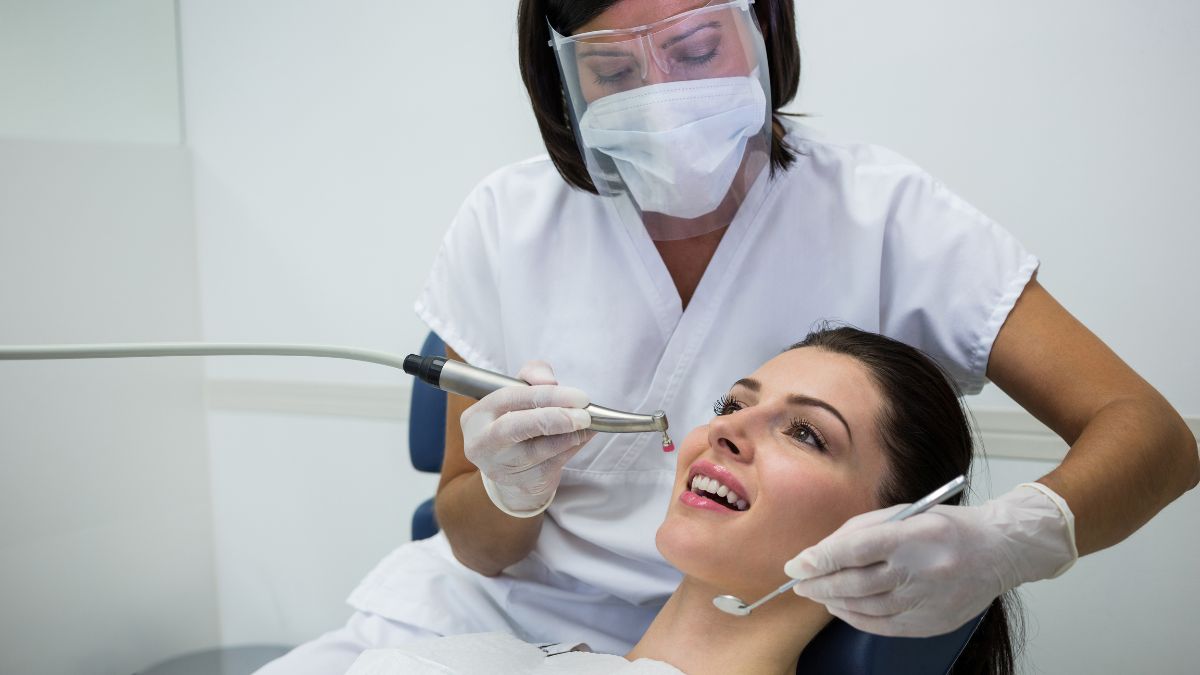
Most people assume dental cleanings are just a quick polish before the doctor pokes around with a metal tool. In reality, this routine visit removes buildup your toothbrush physically cannot touch, protects your gums from silent damage, and often catches problems long before they turn into pain. If you have been putting off your next appointment, here is exactly what is at stake and why it deserves a spot on your calendar.
Why Plaque Removal Is About More Than Fresh Breath
Plaque forms constantly, even with good brushing habits. Within hours of eating, a thin film of bacteria coats your teeth. Left alone, it hardens into tartar, a substance no amount of brushing at home can scrub away. This is where dental cleanings step in.
A hygienist uses specialized tools to scrape away tartar from areas your brush simply cannot reach, particularly along the gumline and between teeth. Skipping this step does not just risk bad breath. It sets the stage for gum inflammation, which, over months or years, can quietly progress into something far more serious.
The Gum Health Connection Nobody Talks About Enough
Here is something worth sitting with. Gum disease is largely painless in its early stages. Many people walk around with mild inflammation for years without noticing a thing, until bleeding, sensitivity, or bone loss finally show up. By then, treatment gets more complicated and more expensive.
Regular dental cleanings interrupt this process early. During each visit, a dentist or hygienist checks pocket depths around your teeth, a simple measurement that reveals whether your gums are healthy or heading toward trouble. Catching gingivitis before it becomes periodontitis is one of the most underrated wins in preventive healthcare, and it happens quietly, twice a year, without much fanfare.
What Actually Happens in the Chair
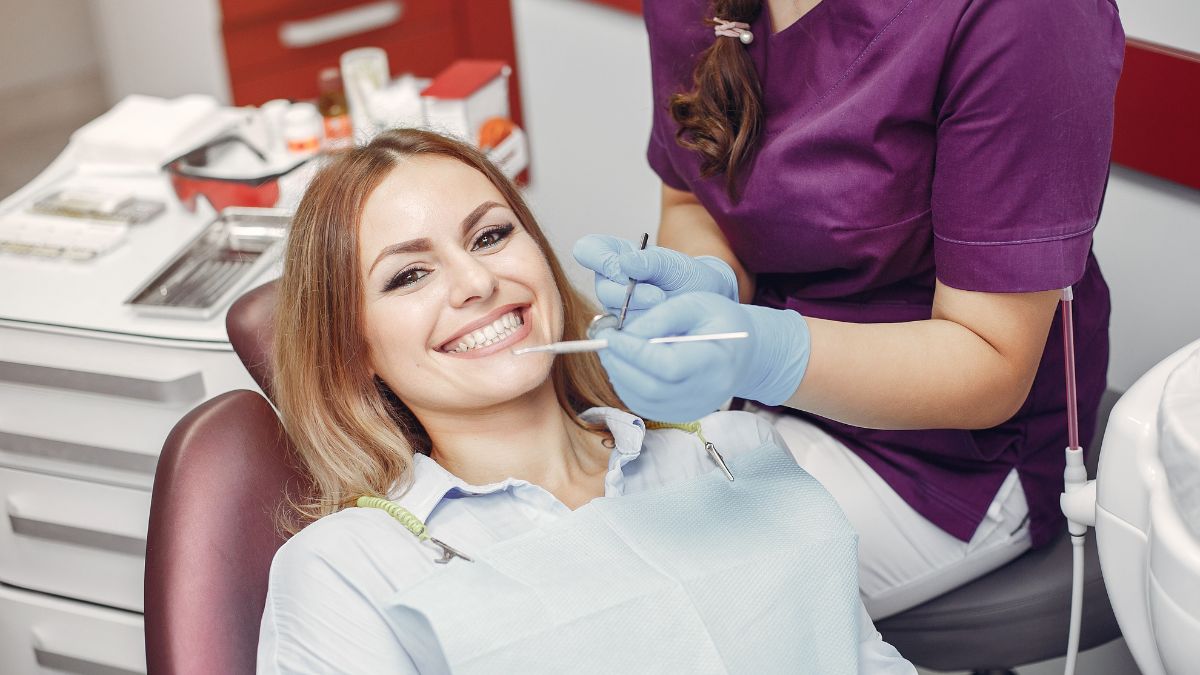
A typical appointment moves through a few clear stages. First comes the physical exam, where the hygienist checks for visible signs of decay, inflammation, or wear. Next is the scaling process, where tartar gets removed from tooth surfaces and below the gumline if needed.
After scaling, your teeth get polished with a gritty paste that smooths away surface stains from coffee, tea, or wine. Many offices finish with a fluoride treatment, which strengthens enamel and adds a layer of protection against future decay. The entire process usually takes under an hour, yet the benefits stretch far beyond that single visit.
How Often You Actually Need to Go
Twice a year is the standard recommendation for most adults, and it exists for good reason. Tartar buildup and early gum changes develop on a predictable timeline, and six-month intervals catch issues before they escalate. That said, your personal schedule might look different.
People with a history of gum disease, smokers, or those managing diabetes often benefit from more frequent visits, sometimes every three to four months. A dentist can assess your specific risk factors and recommend a schedule that actually fits your mouth, rather than a generic one-size-fits-all rule. If you are unsure where you stand, asking directly at your next appointment is a smart move.
The Bigger Picture: Oral Health and Overall Wellness
Research continues to strengthen the link between oral health and conditions like heart disease, diabetes complications, and even respiratory infections. Chronic inflammation in the mouth does not stay contained. It can influence inflammatory markers throughout the body, making consistent dental cleanings part of a broader wellness strategy rather than an isolated task on a checklist.
This is where the aspirational piece comes in. Think of clean, healthy teeth as an investment that pays dividends well beyond appearance. Fewer cavities mean fewer costly procedures down the line. Healthier gums mean lower long-term health risks. A confident smile means fewer moments of hesitation in photos, interviews, or first impressions. None of this happens by accident. It happens through small, consistent habits, and showing up for your cleanings is one of the easiest ones to keep.
A Habit Worth Keeping
Think of your next cleaning less as an obligation and more as maintenance for something you use every single day. Dental cleanings are quick, painless for most people, and genuinely protective in ways that only become obvious years later. The real win is not the appointment itself but the compound effect of never letting small issues turn into big ones.


 my88 slots