USfripe Wholesale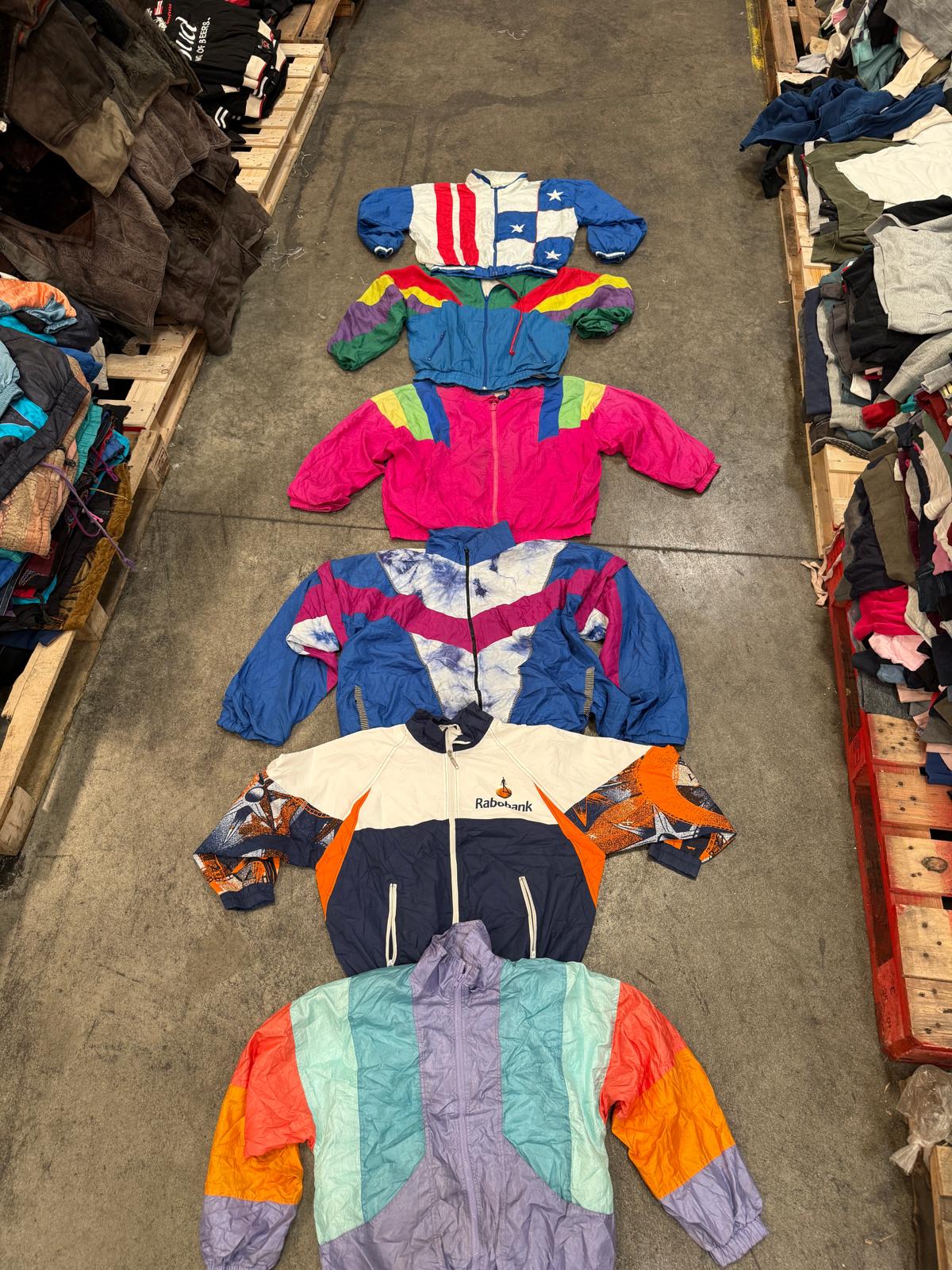
Have you ever walked into a trendy thrift store and wondered how they got so many awesome retro jackets, faded band tees, and old-school jeans? You might picture the shop owner waking up at the break of dawn every single weekend to search through thousands of garage sales, flea markets, and estate sales. While some shop owners do love the thrill of the hunt, they do not find their huge inventory that way. It would take way too much time to fill a whole store piece by piece!
Instead, successful shop owners use a secret business weapon to keep their clothing racks packed with awesome styles. That secret weapon is called vintage wholesale clothing.
If you want to start your own online clothing shop, or if you just want to know how the fashion world works behind the scenes, here is a simple breakdown of how this giant clothing treasure hunt works across the world.
What Does “Wholesale” Even Mean?
To understand how this business works, we first need to look at how items are bought and sold. When you walk into a mall and buy a single t-shirt from a store, you are buying “retail.” The retail price is the final price that a regular shopper pays.
But a business cannot make money if they buy clothes at retail prices. They need a way to buy items for much less money so they can sell them to you and make a profit. That is where buying wholesale comes into play.
When a business buys hundreds or even thousands of shirts all at once from a big supplier, they are buying wholesale. Because they buy such a massive amount of items at one single time, the supplier gives them a much cheaper price per item. It is exactly like buying a giant box of snacks at a warehouse club store instead of buying one tiny bag of chips at the local gas station.
With vintage wholesale clothing, special companies collect huge piles of old, cool clothes from all over the world. Then, they sell these giant piles to vintage store owners who want to clean them up, display them beautifully, and resell them to fashion lovers.
Where Do All These Vintage Clothes Come From?
Since vintage clothes are twenty, thirty, or forty years old, factories do not make them anymore. You cannot just call up a factory and order a thousand shirts from the 1990s. So, how do wholesale suppliers find millions of old garments?
The answer is clothing recycling. Wholesalers get their stock from a few main places:
- Donation Centers: When people clean out their closets and give boxes of old clothes to big charities, not everything gets put on the sales floor. The items that do not fit the charity store’s current needs are often sold in giant lots to wholesalers.
- Textile Recycling Yards: These are massive warehouses where clothing that people throw away or recycle ends up. Workers save the best clothing items from being destroyed.
- Overstock Warehouses: Sometimes, old clothing brands have boxes of items that were made decades ago but never got sold. These are called “deadstock,” and they are like goldmines for vintage lovers because they are old but have never been worn!
How Does the Vintage Wholesale Process Work?
Once a wholesale company gets thousands of pounds of old clothes delivered to their warehouse, they cannot just ship a random pile of messy fabric to a store owner. They have to organize everything so that shop owners know exactly what they are spending their money on.
Wholesale suppliers sort through the massive mountains of clothing using two very important business steps.
- Packing into Bales
First, workers sort the clothes by category. They might put all the graphic t-shirts in one pile, all the flannel shirts in another pile, and all the denim jackets in a third pile. Once they have a huge matching pile, they use a heavy machine to compress the clothes together.
They wrap the clothes tightly in heavy plastic and secure them with strong straps. These giant, heavy bundles are called bales. A single bale can weigh 100 pounds, 500 pounds, or even more! When a thrift store owner logs onto a vintage wholesale clothing website, they can order a whole bale of “90s sports sweatshirts” or “vintage tie-dye shirts” and have it shipped right to their store.
- The Grading Process
Before the clothes are packed away or shipped out, experts must inspect them to check their condition. This is called grading, and it helps store owners know what quality of clothing they are getting. Wholesalers usually split the clothes into three main groups:
- Grade A: These clothes look almost brand new. They do not have holes, stains, or missing buttons. They usually feature highly popular brand names that teenagers love to wear today. Because they are in perfect shape, Grade A items cost the shop owner the most money.
- Grade B: These items are still super cool, but they might have a small stain, a tiny tear, or a little bit of fading. They look like they have been loved and worn before. These items cost less money, and many shoppers actually prefer them because they look genuinely old-school.
- Grade C: These pieces are quite damaged. They might have giant rips, huge paint stains, or broken zippers. While you might think these belong in the trash, creative people buy them to cut them up. They use the old fabric to sew brand-new, unique clothes!
Why Is This Good for the Planet?
Buying and selling vintage wholesale clothing is not just a fun way to find a cool outfit for school. It is also one of the absolute best ways to help protect the Earth!
Making brand-new modern clothing takes a massive toll on nature. It requires thousands of gallons of water just to grow the cotton for one single new t-shirt, and factories use a lot of electricity and chemical dyes to make fast-fashion items. Plus, when people get tired of cheap new clothes, millions of tons of fabric get thrown into landfills every year.
When thrift store owners buy bulk batches from a trusted vintage wholesaler, they are participating in a “circular economy.” This means instead of making something new and throwing it away, people keep using what already exists. Buying vintage saves garments from ending up in the trash and gives a second life to high-quality clothes that were built to last.
Fun Fact: Vintage clothes were often made much better than the clothes you buy at the mall today! Decades ago, companies used thicker cotton and stronger stitching because they expected people to wear their clothes for many years.

 Realism Hoodies
 Dulce Molina