Restoration ServicesDMVLLC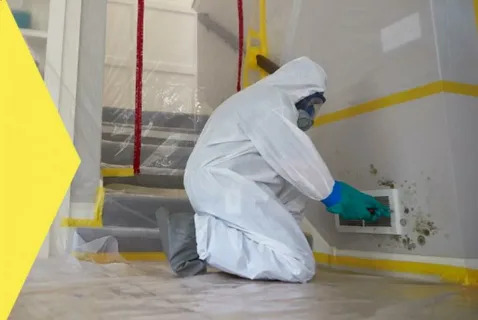
Mold can start as a small spot, but it can become a big problem if you ignore it. It often grows in places where you cannot see it, such as behind walls, under floors, inside ceilings, or around pipes. Finding the source of mold early is the best way to stop it from spreading and causing more damage to your home.
If you notice a musty smell, dark spots, or signs of water damage, you should take action quickly. Many homeowners try to clean mold from the surface, but the real issue is often hidden. Professional help, such as mold remediation in Prince George’s County, MD, can help find the cause, remove the mold safely, and prevent future growth.
Why Finding the Source of Mold Is Important
Mold does not appear without a reason. It needs moisture, warmth, and a food source to grow. Water leaks, high humidity, and poor airflow are some of the most common causes of mold problems.
Cleaning visible mold without fixing the source is only a short-term solution. The mold may return because the moisture problem is still there.
For example, if a pipe leaks behind a wall, wiping away the mold on the wall surface will not solve the issue. The hidden moisture will continue feeding mold growth.
A proper mold inspection looks beyond what you can see. It focuses on finding where the moisture comes from and fixing the problem at its root.
Common Places Where Mold Starts
Mold can grow in many areas of a home. Some places are more likely to have problems because they collect moisture.
Bathrooms
Bathrooms are one of the most common areas for mold growth. Hot showers create steam, and poor ventilation can trap moisture.
Check areas around:
- Shower corners
- Bathtubs
- Sink cabinets
- Ceiling areas
- Tile grout
Using an exhaust fan and drying wet surfaces can help reduce mold risk.
Basements and Crawl Spaces
Basements often have higher moisture levels. Water can enter through cracks, foundation problems, or poor drainage.
Look for:
- Wet walls
- Water stains
- Damp smells
- Condensation on pipes
- Mold on stored items
A dry basement is less likely to develop mold problems.
Kitchens
Kitchen leaks can happen under sinks, around dishwashers, and near refrigerators.
Small leaks may stay hidden for a long time. Regular checks can help you find problems before mold spreads.
Roof and Ceiling Areas
Roof leaks are another major cause of mold. Water can travel through ceilings and walls before you notice any damage.
Signs include:
- Brown ceiling stains
- Peeling paint
- Soft drywall
- Musty odors
Fixing roof leaks quickly can prevent serious mold growth.
Steps to Find the Source of Mold
Finding mold requires careful checking. The goal is not only to find where mold is visible but also to discover what caused it.
Step 1: Look for Visible Signs
Start by checking areas where mold commonly appears.
Look for:
- Black, green, or white spots
- Discolored walls
- Water marks
- Peeling surfaces
- Damp areas
Do not ignore small spots. A small patch can grow if moisture remains.
Step 2: Follow the Musty Smell
Sometimes mold is hidden, but the smell gives it away.
A strong musty odor may mean mold is growing behind:
- Drywall
- Cabinets
- Flooring
- Furniture
- Ceiling panels
Follow the smell and inspect nearby areas carefully.
Step 3: Check for Moisture Problems
Mold needs water to survive. Finding the moisture source is one of the most important steps.
Common moisture sources include:
- Plumbing leaks
- Roof leaks
- Flooding
- High indoor humidity
- Poor ventilation
- Condensation
A moisture meter can help locate damp areas that are not easy to see.
Step 4: Inspect Hidden Areas
Mold often hides in places homeowners do not check.
Inspect areas such as:
Behind Walls
Water from leaking pipes can create hidden mold growth inside walls.
Under Flooring
Wet carpets, wood floors, and padding can trap moisture.
Around HVAC Systems
Heating and cooling systems can spread mold spores if moisture builds inside the unit.
Inside Cabinets
Kitchen and bathroom cabinets can hide leaks and mold growth.
Step 5: Identify the Cause
Once you find mold, ask:
- Where is the water coming from?
- How long has the area been wet?
- Is there a leak?
- Is humidity too high?
- Is airflow poor?
Fixing the cause is the key step. Without this, mold can return.
How to Fix the Source of Mold
After finding the cause, the next step is removing the moisture problem and cleaning the affected area.
After the source is identified, a professional mold remediation service can help remove contaminated materials, clean affected areas, and restore a safe indoor environment.
Repair Water Leaks
Leaks should always be fixed before mold removal.
Common repairs include:
- Fixing broken pipes
- Sealing roof leaks
- Repairing damaged windows
- Replacing leaking fixtures
Drying the area completely is also important.
Reduce Indoor Humidity
High humidity creates the perfect condition for mold.
Try these simple steps:
- Use a dehumidifier
- Improve air circulation
- Use bathroom fans
- Open windows when possible
- Repair ventilation issues
Indoor humidity should usually stay between 30% and 50%.
Remove Damaged Materials
Some materials cannot be fully cleaned if mold has deeply entered them.
Examples include:
- Wet drywall
- Moldy insulation
- Damaged carpet
- Certain types of wood
Removing these materials helps stop mold from spreading.
Clean Small Mold Areas Safely
Small mold areas on hard surfaces can sometimes be cleaned with proper methods.
Safety steps include:
- Wear gloves
- Use eye protection
- Avoid spreading dust
- Keep the area ventilated
Never mix cleaning chemicals together. Some combinations can create harmful fumes.
Signs That Mold Is Spreading
Mold growth can increase quickly when moisture remains.
Watch for these warning signs:
Increasing Mold Spots
If new spots appear after cleaning, the source has likely not been fixed.
Stronger Odors
A stronger musty smell often means mold growth is increasing.
Health Complaints
Some people may notice:
- Sneezing
- Coughing
- Eye irritation
- Throat discomfort
If symptoms continue, consider getting professional advice.
Water Damage Getting Worse
Peeling paint, soft walls, and stains may show that moisture is still present.
How Professionals Find Hidden Mold
Professional mold experts use different tools and methods to locate hidden problems.
Moisture Testing
Moisture tools help find wet areas behind walls, floors, and ceilings.
Visual Inspection
Experts check common mold locations and look for signs of water damage.
Air Quality Checks
Air testing may help identify mold spores in indoor spaces.
Thermal Imaging
Some professionals use thermal cameras to locate unusual temperature changes caused by moisture.
These methods help create a complete picture of the mold problem.
How to Prevent Mold From Returning
Stopping mold growth is easier than dealing with a large infestation.
Follow these prevention tips:
Control Moisture
Moisture control is the most important part of mold prevention.
Fix leaks quickly and keep wet areas dry.
Improve Airflow
Good airflow helps reduce trapped moisture.
Use fans and keep air moving through your home.
Clean Gutters Regularly
Blocked gutters can send water toward your foundation and walls.
Keep gutters clean to prevent water problems.
Check Your Home Regularly
Small problems can become expensive repairs if ignored.
Inspect:
- Under sinks
- Around windows
- Near appliances
- Basement areas
- Attic spaces
Early action can save time and money.
Why Quick Mold Action Matters
Mold can spread through spores that travel in the air. Once mold growth becomes larger, removal becomes more difficult and costly.
Finding and fixing the source early helps protect your home and creates a healthier living space.
A good mold solution does not only remove what you see. It finds the hidden cause, fixes the moisture problem, and helps prevent the issue from coming back.
Final Thoughts
Mold problems usually begin with a moisture issue. The fastest way to solve mold is to find where the water is coming from and fix that problem first.
Check your home often, watch for warning signs, and do not ignore small mold spots. Taking quick action can prevent bigger repairs in the future.
When mold growth is large, hidden, or keeps returning, professional help can provide a safer and more complete solution. A proper inspection and repair process can help keep your home clean, dry, and protected.
Frequently Asked Questions (FAQs)
1. How can I tell where mold is coming from?
You can find the source of mold by checking for water leaks, damp areas, musty smells, stains, and moisture problems. Hidden mold may require professional inspection tools to locate.
2. Can I remove mold without fixing the source?
No. Cleaning mold without fixing the moisture problem will usually not solve the issue. Mold can return because the conditions that caused it are still present.
3. Where does mold usually grow inside a home?
Mold commonly grows in bathrooms, basements, kitchens, crawl spaces, around pipes, under sinks, and near areas with water damage.
4. How quickly can mold spread?
Mold can begin growing within a short time when moisture is present. The speed depends on the amount of water, temperature, and available materials.
5. When should I call a mold professional?
You should contact a professional when mold covers a large area, keeps coming back, is hidden behind walls, or is caused by major water damage. Professionals can safely inspect and remove the problem.


 Antonio Thomas
 Peter parker