James robert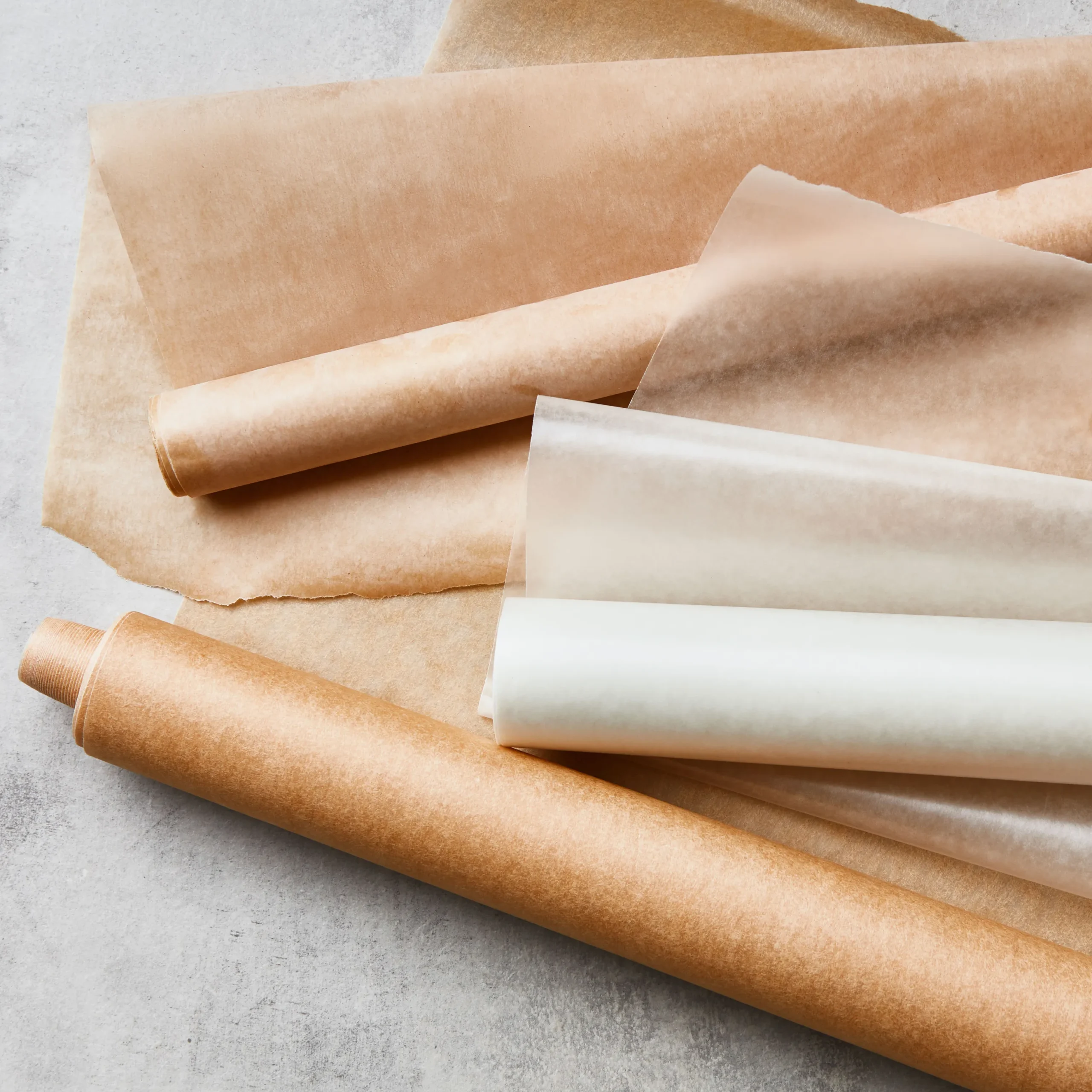
Choosing the right food packaging material can have a significant impact on food quality, customer satisfaction, branding, and operational efficiency. Restaurants, bakeries, cafés, food trucks, and catering businesses across the United States use various packaging materials to serve and transport food safely.
Two of the most common packaging options are wax-coated wrapping paper and aluminum foil. While both materials help protect food, they serve different purposes and perform differently depending on the menu item, temperature, moisture level, and presentation goals.
Many food business owners struggle to determine when wrapping paper is the better choice and when foil should be used instead. Understanding the strengths and limitations of both materials can help businesses make smarter packaging decisions.
This guide explains when wax-coated wrapping paper should be used instead of foil wrapping, the benefits of each option, and how businesses can select the best solution for their specific food products.
What Is Wax-Coated Food Wrapping Paper?
Many restaurants prefer food grade paper for food-contact packaging because it provides a safe, practical, and visually appealing way to wrap and present menu items.
Wax-coated wrapping paper is typically manufactured from paper treated with a thin layer of food-safe wax. This coating helps create a barrier against moisture, grease, and oils while maintaining flexibility and ease of handling.
Quick Answer
Wax-coated wrapping paper is a food-safe packaging material designed to resist grease and moisture while helping businesses present food professionally.
Common Uses
- Burgers
- Sandwiches
- Bagels
- Deli items
- Pastries
- Cookies
- Breakfast wraps
- Bakery products
Its lightweight structure and customizable printing options make it a popular choice throughout the food service industry.
What Is Foil Wrapping?
Aluminum foil is a metallic packaging material commonly used to wrap hot foods and retain heat.
Unlike wax-coated paper, foil creates a nearly complete barrier against moisture, air, and light. This makes it particularly useful for foods that need temperature retention during storage and transportation.
Common Uses
- Burritos
- BBQ items
- Grilled sandwiches
- Roasted meats
- Hot takeout meals
- Baked potatoes
Foil is valued for its heat retention capabilities but may not always be the best choice for every food item.
Quick Answer
Foil wrapping is best suited for foods that require heat preservation and maximum barrier protection.
Why Do Some Food Businesses Choose Specialty Packaging Solutions?
Food packaging is no longer just about protection. Modern businesses use packaging to improve customer experience, increase brand visibility, and support food presentation.
For example, products such as custom ice cream cups demonstrate how packaging can simultaneously serve practical and branding purposes. The same concept applies to wrapping materials used for sandwiches, burgers, and baked goods.
Today’s customers often expect packaging that is attractive, functional, and environmentally responsible.
Benefits Beyond Protection
- Improved presentation
- Better customer experience
- Brand recognition
- Food safety compliance
- Enhanced portability
Packaging decisions now influence how customers perceive the overall quality of a business.
When Is Wax-Coated Wrapping Better Than Foil?
The best packaging choice depends on the specific needs of the food being served.
For Branding and Custom Printing
Wax-coated wrapping materials are often preferred when businesses want to display logos, brand colors, or marketing messages.
Printed packaging can:
- Increase brand awareness
- Improve customer recall
- Create a premium appearance
- Support social media visibility
Foil offers limited opportunities for high-quality branding compared to printed wrapping paper.
For Food Presentation
Many restaurants choose wrapping paper because it creates a cleaner and more visually appealing presentation.
Food wrapped in branded paper often looks more professional than food wrapped in plain foil.
For Easy Handling
Wrapping paper typically feels more comfortable for customers to hold and handle during meals.
Quick Answer
Wax-coated wrapping materials are often preferred when branding, presentation, and customer experience are priorities.
When Is Foil the Better Option?
Although wrapping paper offers many benefits, foil remains the better solution in certain situations.
Heat Retention
Foil helps maintain food temperature for longer periods.
Steam Control
Certain foods benefit from the moisture retention created by foil.
Long-Distance Delivery
Foods requiring maximum heat preservation may perform better in foil packaging.
High-Temperature Foods
Very hot items can sometimes exceed the practical limits of wax-coated packaging materials.
Common Examples
- BBQ brisket
- Burritos
- Roasted meats
- Hot grilled items
Quick Answer
Foil is typically better for foods that require heat retention and moisture preservation.
How Do Wax-Coated Wrappers Handle Grease and Moisture?
Many menu items contain oils, sauces, and natural juices.
The wax coating creates a protective layer that helps:
- Reduce grease penetration
- Minimize moisture transfer
- Maintain wrapper appearance
- Improve customer handling
Foods that benefit from grease-resistant wrapping include:
- Cheeseburgers
- Breakfast sandwiches
- Deli sandwiches
- Pastries
- Bagels
This makes wax-coated wrapping an excellent solution for many quick-service restaurants.
Which Packaging Option Is Better for Takeout Orders?
Takeout and delivery have become major parts of the food service industry in the United States.
Consider Wax-Coated Wrapping When:
- Branding is important
- Food presentation matters
- Grease control is needed
- Foods are consumed shortly after purchase
Consider Foil When:
- Heat retention is critical
- Delivery times are longer
- Foods are extremely hot
- Moisture preservation is required
The best solution often depends on the restaurant’s menu and delivery model.
What About Sustainability Considerations?
Many businesses are exploring environmentally responsible packaging solutions.
Wax-coated paper products may offer advantages when sourced from renewable materials and manufactured responsibly.
Restaurants increasingly seek packaging that aligns with customer expectations regarding sustainability.
Sustainability Factors to Evaluate
- Material sourcing
- Recyclability
- Compostability
- Manufacturing processes
- Local regulations
Businesses should consult packaging suppliers regarding available eco-friendly options.
How Does Packaging Affect Customer Perception?
Packaging influences customer impressions before food is even tasted.
Customers notice:
- Cleanliness
- Appearance
- Ease of use
- Professional presentation
- Branding consistency
A well-packaged meal often creates a stronger perception of quality.
Packaging Influences
- Customer satisfaction
- Online reviews
- Repeat business
- Brand recognition
- Social media engagement
Even small improvements in packaging can contribute to a better customer experience.
What Should Restaurants Consider Before Choosing Between the Two?
Several factors should influence packaging decisions.
Type of Food
Different menu items require different packaging characteristics.
Serving Temperature
Hot foods may require greater heat retention.
Customer Expectations
Some customers value branding and presentation more heavily.
Delivery Requirements
Transportation conditions affect packaging performance.
Cost Efficiency
Packaging should support operational goals without excessive expense.
Food Safety
Always select materials approved for food-contact applications.
Quick Answer
The right packaging solution depends on food type, temperature, branding goals, and customer experience priorities.
Helpful Tips for Restaurant Owners
Test Both Options
Evaluate packaging performance under real operating conditions.
Consider Branding Opportunities
Printed packaging can strengthen brand visibility.
Match Packaging to Menu Items
Different foods require different protection levels.
Gather Customer Feedback
Customer input often reveals packaging strengths and weaknesses.
Monitor Delivery Performance
Review how packaging performs during transportation.
Prioritize Food Quality
Packaging should help maintain food freshness and appearance.
Frequently Asked Questions
Is wax-coated wrapping paper better than foil?
Neither option is universally better. The right choice depends on the food product, temperature requirements, and branding goals.
Does foil keep food warmer?
Yes. Foil generally provides better heat retention than wax-coated wrapping materials.
Can wrapping paper handle greasy foods?
Yes. Many wax-coated wrapping materials are designed to resist grease and moisture.
Which option is better for restaurant branding?
Printed wrapping materials typically provide more branding opportunities than foil.
Is foil suitable for takeout packaging?
Yes. Foil works well for hot foods that require temperature retention during transport.
How do restaurants decide which packaging to use?
Restaurants evaluate food type, customer expectations, delivery requirements, branding goals, and operational needs.
Final Words
Both wax-coated wrapping paper and foil wrapping play important roles in food service packaging. The best choice depends on what the business is trying to achieve. If branding, presentation, grease resistance, and customer experience are priorities, wax-coated wrapping materials often provide significant advantages. If maintaining heat and moisture is the primary goal, foil may be the better option.
Successful restaurants across the United States frequently use both materials for different menu items. By understanding the strengths of each packaging solution, businesses can improve food quality, enhance customer satisfaction, and create a more professional dining experience.


 Parkersburg Cleaning
 Jayden Lee