jay dikshit
At first, white fused alumina (WFA) may appear to be a standard industrial material. After all, if two suppliers offer the same product with similar specifications, should not the performance be identical? But that is rarely ever the case. Manufacturers in refractories, ceramics, and high-temperature industries often discover that two seemingly similar WFA products can deliver very different results in production environments. And this difference lies not just in the material itself, but in how it is manufactured, processed, and controlled. This is why choosing the right white fused alumina manufacturer can have a direct impact on operational performance.
How the Actual Raw Material Story Begins
The quality of white fused alumina is influenced long before the final product reaches a customer. It starts with the purity of the alumina used during production. Even the smallest of variations in raw materials can affect the chemical composition of the finished product.
Leading manufacturers carefully select and inspect raw materials before they enter the fusion process. This attention to detail helps produce white fused alumina with higher purity and more predictable properties. While two products may carry the same name, their performance can differ significantly if the foundation is not the same.
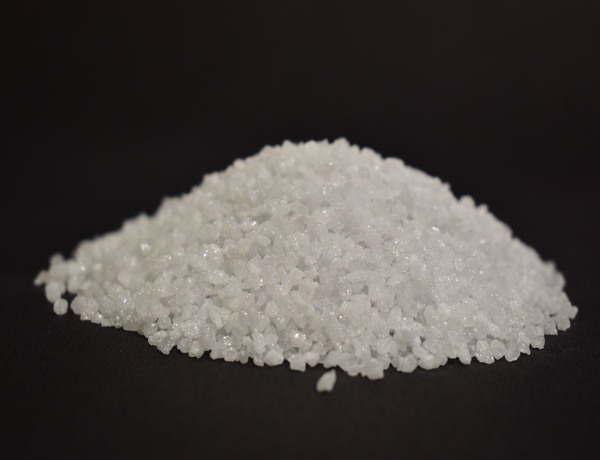
Grain Size Matters More Than You Think
Many buyers focus on grain size classifications when comparing suppliers. However, the consistency of those grains is often more important than the classification itself.
If particle distribution varies from batch to batch, the material may behave differently during manufacturing or refractory production. Uniform grains contribute to better packing density, improved strength, and more reliable performance in demanding environments. An experienced white fused alumina manufacturer invests in advanced grading and screening processes to ensure consistency across every shipment.
How the Manufacturing Process Creates the Differences
White fused alumina is produced at an extremely high temperature, but the process does not usually end once the fusion is complete. Cooling methods, crushing techniques, and processing controls all influence the final characteristics of the material.
Manufacturers with robust quality systems closely monitor every stage of production. These controls help preserve the desired hardness, purity, and structural integrity of the material. Two products may share similar specifications on paper, yet perform differently because of variations in manufacturing practices.
Consistency Is What Industrial Buyers Actually Purchase
When industries source white fused alumina, they are not simply purchasing a raw material, but investing in predictable performance. Refractory manufacturers, foundries, and ceramic producers rely on materials that behave consistently every time they enter production.
Unexpected variations can lead to quality issues, increased wastage, and operational inefficiencies. This is why long-term relationships with trusted manufacturers often prove more valuable than selecting a supplier based solely on price.
Not all white fused alumina products are created equal. Differences in raw material selection, grain consistency, manufacturing controls, and quality assurance can lead to noticeable variations in performance. For industries that depend on reliable refractory and high-temperature solutions, partnering with an experienced white fused alumina manufacturer is about ensuring consistency, efficiency, and confidence in every application.


 Rayan Cooper
 Mirza Ali