David J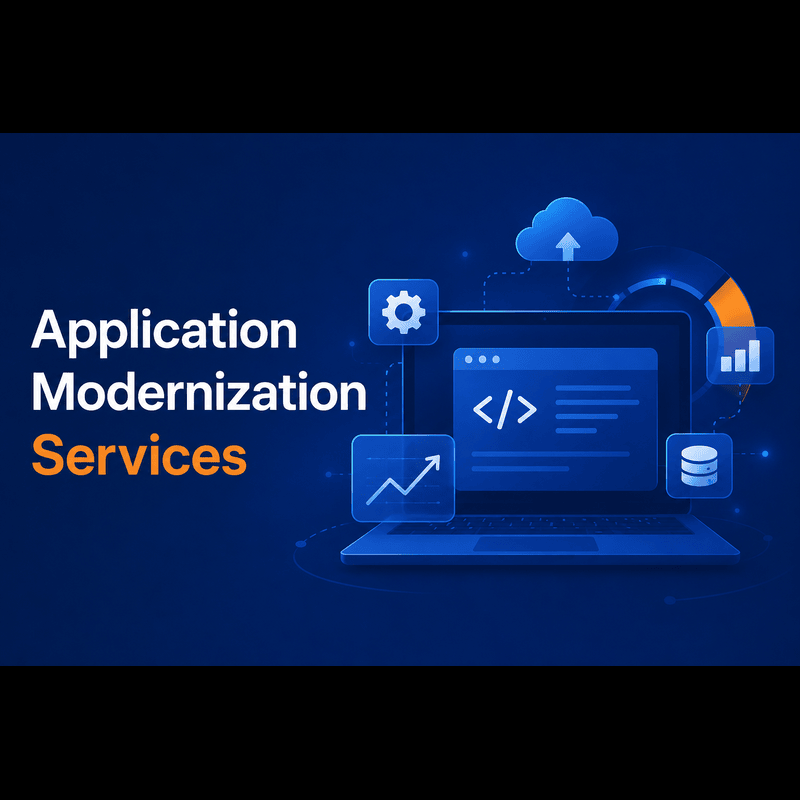
Introduction
As businesses continue to embrace digital transformation, upgrading legacy applications has become a strategic priority. Many organizations still rely on software built years ago to manage essential business operations. While these applications may continue to function, they often struggle to meet modern performance, security, scalability, and integration requirements. Outdated systems increase maintenance costs, reduce operational efficiency, and slow innovation. This is why businesses are increasingly investing in Application Modernization Services to transform legacy applications into agile, secure, and future-ready solutions.
Application Modernization Services help organizations improve existing applications without completely replacing them. By leveraging cloud computing, microservices, automation, DevOps, and modern development frameworks, businesses can extend the life of their applications while improving functionality and reducing operational risks. Successful modernization, however, requires careful planning, the right technologies, and proven implementation strategies.
This article discusses the best practices for upgrading legacy applications and explains how Application Modernization Services help businesses maximize the value of their software investments.
Understanding Application Modernization Services
Application Modernization Services involve upgrading existing software applications using modern technologies and architectures. Rather than building new systems from scratch, modernization focuses on improving application performance, security, user experience, and scalability while preserving critical business processes.
Common modernization approaches include:
- Cloud migration
- Code refactoring
- API integration
- Database modernization
- User interface redesign
- Microservices adoption
- Containerization
- DevOps implementation
These strategies allow organizations to remain competitive while minimizing disruption to daily operations.
Why Legacy Applications Need Upgrades
Legacy applications often become barriers to growth because they were designed for outdated technologies and business environments. As organizations expand and customer expectations evolve, these systems struggle to deliver the flexibility required for modern operations.
Some common challenges include:
- High maintenance costs
- Poor system performance
- Limited scalability
- Security vulnerabilities
- Difficult integration with modern software
- Outdated user interfaces
- Slow software updates
- Increasing technical debt
Legacy Application Modernization Services address these issues while preserving valuable business functionality.
Best Practice 1: Perform a Comprehensive Application Assessment
Every modernization project should begin with a detailed evaluation of existing applications.
Organizations should analyze:
- Application architecture
- Business value
- Performance bottlenecks
- Security risks
- Infrastructure dependencies
- Integration requirements
- User experience
- Maintenance costs
A thorough assessment helps determine whether applications should be rehosted, refactored, rearchitected, rebuilt, or replaced.
Best Practice 2: Define Clear Business Objectives
Modernization should always align with business goals rather than focusing only on technology improvements.
Common objectives include:
- Reducing operational costs
- Improving customer experience
- Increasing scalability
- Strengthening cybersecurity
- Accelerating innovation
- Supporting cloud migration
- Improving compliance
- Enhancing operational efficiency
Clearly defined objectives help organizations measure modernization success.
Best Practice 3: Choose the Right Modernization Strategy
Every application has different requirements. Choosing the right modernization strategy is critical for achieving the best results.
Popular strategies include:
Rehosting
Moving applications to cloud infrastructure with minimal code changes.
Refactoring
Improving application code without changing business functionality.
Rearchitecting
Redesigning applications using cloud-native architectures and microservices.
Rebuilding
Developing a new application while preserving existing business processes.
Replacing
Adopting modern SaaS solutions when existing applications no longer meet business needs.
Experienced providers of Application Modernization Services help businesses select the most suitable strategy.
Best Practice 4: Adopt Cloud-Native Technologies
Cloud computing has become a key component of successful modernization.
Cloud-native applications provide:
- Automatic scalability
- High availability
- Disaster recovery
- Lower infrastructure costs
- Faster deployment
- Improved performance
Migrating applications to the cloud enables businesses to respond more quickly to changing market demands.
Best Practice 5: Modernize Application Architecture
Traditional monolithic applications often limit flexibility and scalability.
Modern architectures use:
- Microservices
- Containers
- Kubernetes
- Serverless computing
- API-first design
These technologies improve maintainability while allowing independent deployment of application components.
App Modernization Services frequently include architectural transformation as part of the modernization process.
Best Practice 6: Strengthen Security
Security should be integrated throughout the modernization lifecycle.
Organizations should implement:
- Multi-factor authentication
- Data encryption
- Secure APIs
- Identity and access management
- Continuous security monitoring
- Automated vulnerability scanning
Modern security practices protect applications from evolving cyber threats.
Best Practice 7: Improve User Experience
Employees and customers expect intuitive, responsive, and visually appealing applications.
Modernization should include:
- Responsive user interfaces
- Simplified navigation
- Faster page loading
- Mobile-friendly design
- Accessibility improvements
Many businesses integrate Mobile App Development into modernization projects to deliver engaging experiences across smartphones and tablets.
Similarly, Web App Development ensures modern browser-based applications provide consistent performance on all devices.
Best Practice 8: Automate Testing and Deployment
Automation significantly improves software quality while reducing deployment risks.
Modern DevOps practices include:
- Automated testing
- Continuous Integration (CI)
- Continuous Deployment (CD)
- Infrastructure as Code
- Performance monitoring
Automation enables organizations to release software updates faster with fewer errors.
Best Practice 9: Prioritize Data Migration
Data is one of the most valuable business assets.
Successful modernization requires careful planning for:
- Data migration
- Data validation
- Backup procedures
- Disaster recovery
- Data integrity
Organizations should ensure that critical business information remains secure throughout the modernization process.
Best Practice 10: Focus on Scalability
Applications should be designed to support future business growth.
Modernized applications should easily accommodate:
- Increasing users
- Higher transaction volumes
- Expanding business operations
- New digital services
Scalable architectures reduce future redevelopment costs while supporting continuous innovation.
Best Practice 11: Ensure Seamless Integration
Modern businesses rely on interconnected software ecosystems.
Software Modernization Services improve integration with:
- CRM platforms
- ERP systems
- Payment gateways
- Analytics tools
- AI platforms
- Third-party APIs
Effective integration improves operational efficiency and decision-making.
Best Practice 12: Monitor and Optimize Continuously
Modernization does not end after deployment.
Organizations should continuously monitor:
- Application performance
- Security
- Infrastructure utilization
- User behavior
- System availability
- Operational efficiency
Continuous optimization ensures long-term business value.
Common Challenges During Legacy Upgrades
Despite the benefits, modernization projects may face several challenges, including complex legacy architectures, limited documentation, data migration risks, integration issues, resistance to organizational change, and budget constraints. Partnering with experienced providers of Legacy Modernization Services helps organizations overcome these challenges through proven methodologies and technical expertise.
Choosing the Right Modernization Partner
Selecting the right technology partner is essential for project success.
A reliable modernization partner should provide expertise in:
- Cloud migration
- DevOps
- Cybersecurity
- API development
- Microservices
- Artificial Intelligence
- Mobile App Development
- Web App Development
An experienced team ensures successful modernization while minimizing business disruption.
Conclusion
Legacy applications continue to support critical business operations, but they often limit growth, innovation, and operational efficiency. Following proven best practices enables organizations to modernize applications successfully while reducing risks and maximizing long-term value. Application Modernization Services provide businesses with the expertise, technologies, and strategies needed to transform outdated systems into secure, scalable, and high-performing digital platforms.
By investing in App Modernization Services, Legacy Application Modernization Services, and comprehensive Software Modernization Services, organizations can reduce maintenance costs, strengthen cybersecurity, improve scalability, and accelerate digital transformation. When combined with modern Mobile App Development and Web App Development, application modernization creates exceptional digital experiences while supporting future business growth. As technology continues to evolve, Legacy Modernization Services will remain a critical investment for enterprises seeking agility, innovation, and long-term competitive advantage.

 Sudipta Ghosh
 Harry dgsquares