Alison Summit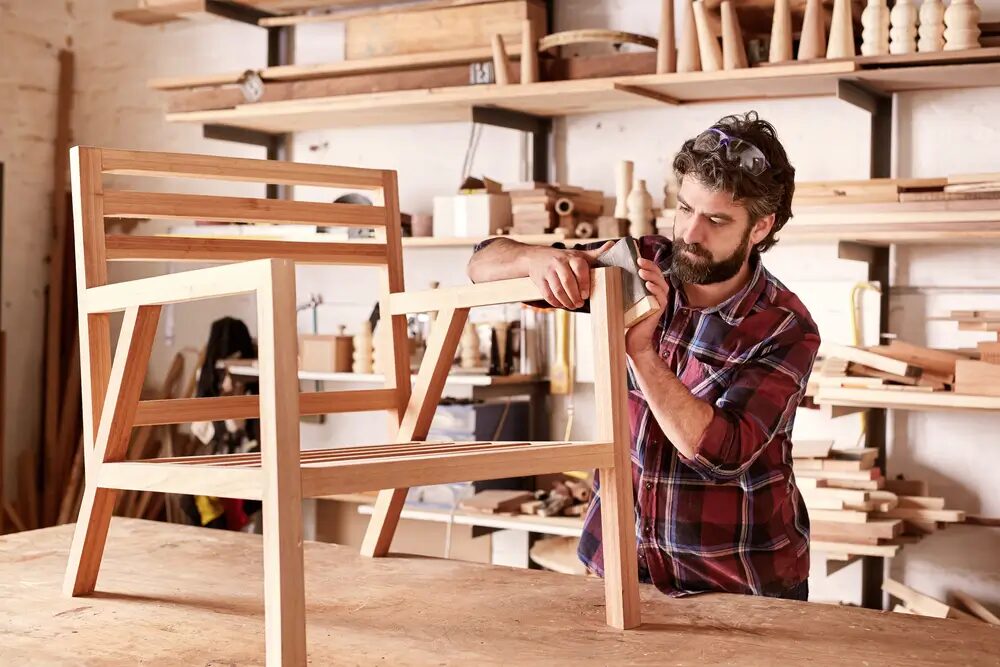
A well-designed, useful, comfortable, and attractive space. Professional Carpenter Wood Work combines accurate measurements, skilled cutting, strong joints, suitable materials, and careful finishing to create furniture that fits the property and the people using it.
The UAE furniture market is estimated at USD 3.97 billion in 2026, while wood held the largest reported material share in 2025. Dubai led the national market, supported by residential, hospitality, office, and retail demand. vers services, materials, costs, project stages, and contractor selection.
What Is Carpenter Wood Work?
Carpenter Wood Work means designing, making, installing, repairing, or restoring wooden items for homes and commercial properties. It can include cabinetry, furniture, doors, frames, flooring, moulding, wall panels, partitions, shelving, stair parts, and structural features.
A trained carpenter may handle site measurement, technical drawings, cutting, joints, edge sealing, finishing, hardware, and installation. This is where a professional carpenter differs from a general handyman. Built-in cabinets, fitted wardrobes, and restoration usually need specialist tools and workshop support.
Popular Carpenter Wood Work Services
Modern Carpenter Wood Work can improve storage, repair damaged items, support business operations, and create a consistent interior style.
Custom Furniture
Custom projects may include beds, tables, desks, TV units, bookshelves, reception counters, and displays. Clients choose the size, layout, colour, finish, handles, and storage features.
Kitchen Cabinets
Kitchen work includes base and wall cabinets, pantry units, drawers, shelving, and hardware. Planning must account for appliances, plumbing, power points, ventilation, and movement space. Near wet areas, choose moisture-resistant boards, sealed edges, strong hinges, and easy-clean finishes.
Wardrobes and Storage Units
Options include built-in wardrobes, walk-in closets, sliding units, shoe racks, linen cabinets, and under-stair storage. Useful layouts combine hanging rails, adjustable shelves, drawers, luggage space, and lighting.
Doors and Wooden Frames
A carpenter can install or repair main doors, interior doors, sliding doors, frames, architraves, locks, hinges, and damaged panels. Doors that drag, swell, or fail to close may point to loose hardware, moisture, frame movement, or poor fitting.
Furniture Repair and Restoration
Professional carpentry services can fix broken legs, loose joints, cracked panels, damaged drawers, scratches, and worn polish. One damaged section may be replaced while preserving the rest.
Residential and Commercial Woodwork
Residential projects usually focus on comfort, storage, daily use, and matching the existing décor. Common areas include bedrooms, kitchens, living rooms, home offices, staircases, and utility spaces.
Commercial Carpenter Wood Work may be required in offices, malls, retail stores, restaurants, hotels, salons, and reception areas. These projects often need stronger surfaces, branded units, cable management, higher production capacity, and faster installation. Buyers should confirm access permits, work hours, delivery routes, and coordination with other teams.
Best Materials for Carpentry Projects
The right material for Carpenter Wood Work depends on budget, design, moisture exposure, expected load, lifespan, and maintenance.
Solid Wood
Solid wood is strong, attractive, and repairable. It suits premium tables, beds, doors, and decorative furniture. Price and performance vary by species.
Plywood
Plywood offers good strength for cabinets, wardrobes, shelves, and frames. Moisture-resistant grades suit demanding areas and often hold screws better than standard MDF.
MDF
MDF suits painted furniture, routed doors, and wall panels. It is affordable but must be protected from water, with cut edges sealed properly.
Particle Board
Particle board is a budget option for light-use furniture. It is less suitable for damp areas, heavy loads, frequent moving, or places where screws may need to be removed and refitted.
Veneer and Laminate
Veneer creates a natural wood look over a board core. Laminate offers many colours and textures and is usually easy to clean.
Ask about low-emission boards, adhesives, and coatings. Indoor-air guidance recommends low-emission wood products and suitable ventilation after installation. Years can also request FSC-certified timber or boards. DIY vs. Ready-Made Furniture
Custom Carpenter Wood Work is made to exact dimensions. It can use awkward corners, full wall height, narrow spaces, and unusual layouts. Buyers can select the core material, internal arrangement, finish, and hardware. It also blends more easily with existing interiors.
Ready-made furniture usually costs less, arrives faster, and is simple to replace. It works well when rooms have standard dimensions or when the property is rented.
Custom work is often better for fitted kitchens, wardrobes, built-in storage, branded counters, and property upgrades. A mixed approach can also deliver good value.
The Professional Carpentry Process
A reliable Carpenter Wood Work project normally follows these steps:
- Site inspection: Check walls, floors, services, access, and moisture.
- Consultation: Discuss use, style, storage, budget, and deadline.
- Measurement: Record dimensions, corners, skirting, sockets, and ceiling levels.
- Design approval: Confirm drawings, colours, materials, and hardware.
- Quotation: List materials, labour, accessories, transport, and installation.
- Production: Cut, assemble, test, and prepare components.
- Finishing: Apply laminate, veneer, paint, polish, or protective coating.
- Installation: Position, level, secure, align, and clean the units.
- Handover: Test doors, drawers, handles, edges, gaps, and finishes.
Expert tip: Never approve production from a verbal description alone. Put dimensions, material grades, hardware brands, payment stages, changes, and completion dates in writing.
Carpenter Wood Work Cost Factors in 2026
The price of Carpenter Wood Work depends on project size, material, board thickness, design complexity, number of units, decorative details, hardware quality, surface finish, labour, transport, access, removal work, and installation difficulty.
Custom furniture costs more than standard products because each item needs individual planning, measurement, production, finishing, delivery, and fitting.
As a broad Dubai reference, a local 2026 pricing guide lists general carpentry labour at around AED 80–150 per hour, skilled custom joinery at AED 150–300 per hour, and basic built-in wardrobes at about AED 1,500–3,500 per linear metre. Veneer, lacquer, solid wood, mirrors, lighting, and imported hardware can raise the price sharply. These figures are market estimates, not fixed government rates. itemized quotation** showing the core material, thickness, finish, hardware, quantity, transport, installation, VAT status, payment schedule, and warranty.
How to Choose a Professional Carpenter
Do not choose a professional carpenter on price alone. Check:
- A recent portfolio of similar work
- Genuine reviews or customer references
- Workshop and production capacity
- Material samples and written specifications
- Accurate measurements and approved drawings
- A clear completion timeline
- Staged payment terms
- Warranty and repair support
- Good communication and site protection
Ask which wood or board will be used, its thickness and grade, whether hardware is included, how revisions are handled, and who fixes defects. Commercial buyers should also confirm supervision, insurance, access rules, and work-hour limits.
Common Carpentry Mistakes to Avoid
Common mistakes include choosing the cheapest material, starting without accurate measurements, ignoring moisture, using weak hinges, accepting unclear drawings, and paying the full amount before handover.
Other risks include poor cabinet ventilation, unsealed edges near wet areas, thin back panels, unsuitable finishes, and weak wall fixings.
A planned custom woodwork project prevents poor fitting, wasted material, installation delays, and surprise costs. Keep signed drawings and a written record of every design or price change.
Maintenance Tips for Wooden Furniture
Dust surfaces with a soft cloth and clean spills quickly. Avoid soaking wood or board furniture. Use coasters, mats, and heat protection, and limit direct sunlight where possible.
Tighten loose handles and hinges early. Repair chips and scratches before they spread. Avoid harsh chemicals and rough pads. Repaint, reseal, or polish when needed.
Fix leaks and high humidity quickly. Lift heavy furniture with enough help rather than dragging it.
2026 Woodwork Trends Worth Considering
Design coverage for 2026 shows growing interest in darker woods, visible grain, handmade details, organic curves, and interiors that feel personal rather than mass-produced. an be added through rounded edges, fluted panels, walnut-style finishes, display niches, mixed wood tones, concealed storage, and natural-looking textures.
A trend must still work in daily life. Curved shelves need safe edges, dark finishes need suitable lighting, and decorative grooves should remain easy to clean.
Final Thoughts
Professional Carpenter Wood Work can improve storage, comfort, interior design, and property appeal. It can turn unused corners into cabinets, create furniture for unusual dimensions, restore valuable pieces, and give commercial spaces a stronger brand identity.
Compare designs, materials, samples, portfolios, timelines, and detailed quotations before choosing a contractor. Check the internal boards, joints, backing, edges, hardware, and installation method—not only the visible surface.
For custom furniture, cabinets, wardrobes, doors, repairs, and installation, visit Ehsas carpentry services and request a detailed quotation.
Frequently Asked Questions
1. What services are included in Carpenter Wood Work?
Services may include custom furniture, kitchen cabinets, wardrobes, doors, shelving, partitions, wall panels, repairs, restoration, polishing, delivery, and installation.
2. Which wood is best for custom furniture?
The best option depends on the item, budget, moisture exposure, expected load, finish, and lifespan. Solid wood is premium and repairable, plywood is strong, and MDF suits smooth painted designs.
3. Is custom woodwork better than ready-made furniture?
Custom work provides exact fitting, personalized storage, material choice, and better use of difficult spaces. Ready-made furniture is faster and often cheaper for standard rooms.
4. How is carpentry work priced?
Pricing is based on dimensions, materials, board thickness, design complexity, hardware, finishing, labour, transport, removal, and installation access.
5. How long does a custom carpentry project take?
Small repairs may take hours or days. A wardrobe, kitchen, or commercial project may take several days or weeks, depending on approvals, materials, finishing, workshop capacity, and site access.


 InstaaCoders Technologies
 Meta Minds