Zio Tech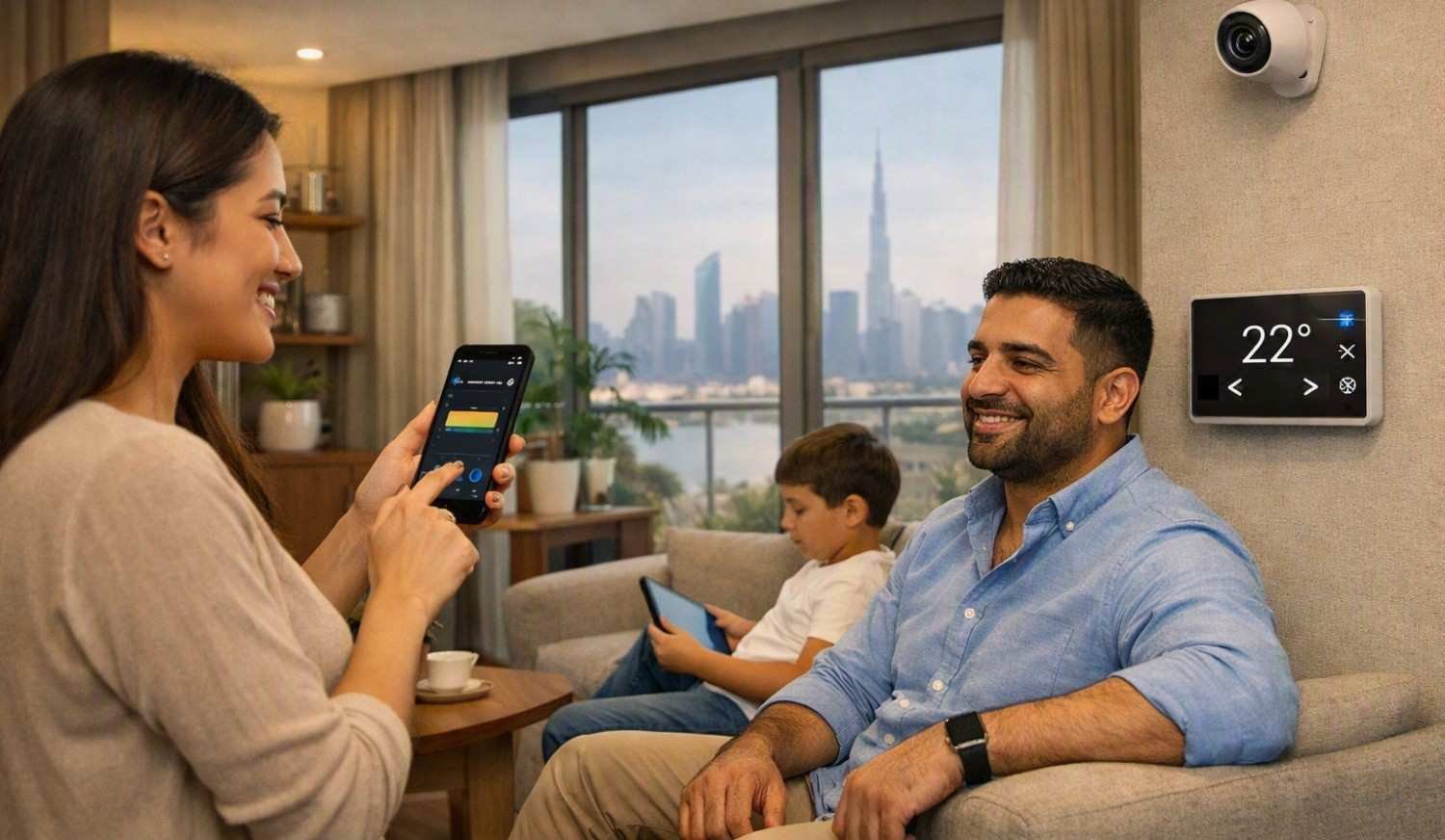
Choosing the right home technology depends on how people live, the size of the property, and the local climate. A Smart home Dubai setup can make daily tasks easier by connecting lighting, cooling, security, entertainment, and other home systems. However, not every smart feature is necessary for every home. The most useful options are usually those that improve comfort, save energy, support safety, and make regular household tasks simpler.
Smart Lighting Control
Smart lighting is one of the easiest features to use in a connected home. Residents can control lights through a mobile phone, voice command, or automatic schedules.
Lights can be set to turn on or off at specific times. Motion sensors can also switch lights on when someone enters a room and turn them off when the room is empty. This can help reduce unnecessary electricity use.
Dimming is another useful option. Instead of using the same brightness throughout the day, homeowners can adjust lighting based on the activity. Softer lighting can be used in bedrooms, while brighter lighting can be useful in kitchens and work areas.
Smart Air Conditioning
Air conditioning is an important part of comfortable living in Dubai. Smart climate controls can make it easier to manage indoor temperature without constantly adjusting the system manually.
Smart thermostats and connected AC controls can allow residents to change temperature settings remotely. For example, the cooling system can be adjusted before returning home instead of being left running at the same level all day.
Temperature sensors can also help maintain a more balanced indoor environment. Some systems can use room occupancy information to avoid cooling empty areas unnecessarily.
Smart Security Cameras
Home security is another common reason people choose smart technology. Connected cameras can provide a clearer view of entrances, outdoor areas, and other selected parts of a property.
Many modern cameras can send alerts when movement is detected. Some also provide night vision and two-way audio. This allows residents to check activity around the home while they are away.
The placement of cameras is important. Cameras should cover useful areas without unnecessarily recording private spaces. Homeowners should also use strong passwords and secure network connections to protect camera access.
Smart Door Locks
Smart locks can provide another convenient way to manage access to a property. Depending on the model, users may be able to unlock a door with a phone, PIN, fingerprint, or traditional key.
Temporary access codes can also be useful when family members, guests, or service workers need entry. A homeowner can provide access for a specific period instead of giving someone a permanent key.
A backup access method is still important. If a phone battery is empty or a connected system has a problem, residents should have another safe way to enter the home.
Automated Curtains and Blinds
Automated curtains and blinds can be useful for managing sunlight and indoor temperature. They can be programmed to open or close at selected times.
For example, curtains can close during periods of strong sunlight and open later when natural light is more comfortable. This can also support privacy in rooms facing busy roads or neighboring buildings.
Automated blinds can be controlled together with lighting and climate systems, allowing several functions to work according to a simple schedule.
Smart Energy Monitoring
Energy monitoring gives homeowners a better understanding of how electricity is being used. Smart meters and connected monitoring devices can show information about energy consumption.
This information can help identify appliances or systems that use more electricity than expected. Residents can then change their usage habits or adjust schedules.
Energy monitoring can be particularly useful when several systems, such as air conditioning, lighting, entertainment equipment, and kitchen appliances, operate throughout the day.
Voice Control
Voice control can make several home functions easier to operate. A compatible voice assistant can be used to control lights, temperature, music, curtains, or other connected devices.
This feature can be helpful when someone is cooking, carrying objects, or simply wants to avoid using a phone or wall switch. Voice commands can also be useful for people who have difficulty reaching physical controls.
However, voice assistants should be configured carefully. Account security, device permissions, and privacy settings should be reviewed before connecting them to important home systems.
Smart Home Sensors
Sensors are small devices, but they can support many useful functions. Motion sensors can detect activity, while door and window sensors can show whether an entry point is open or closed.
Water leak sensors can also provide an early warning if water is detected in areas such as kitchens, bathrooms, or utility rooms. Smoke and temperature sensors can add another layer of awareness inside the property.
The value of sensors comes from how they are connected to other systems. A sensor can trigger a light, send an alert, or change another setting when a specific event occurs.
Choosing Features Based on Daily Needs
A smart home does not need to include every available device. It is usually better to begin with features that solve real problems in the home.
For one household, smart AC control may be the most useful option. Another household may benefit more from security cameras, automated lighting, or energy monitoring. The size and layout of the property should also be considered when selecting devices.
Compatibility is another important point. Devices from different brands may not always work together smoothly. Checking compatibility before buying equipment can prevent problems later.
When selecting practical features for a Smart home Dubai setup, homeowners should focus on comfort, security, energy use, and simple daily control rather than adding technology simply for the sake of having more devices.

 Finn john
 Sahu
Sahu