Roofing Freeport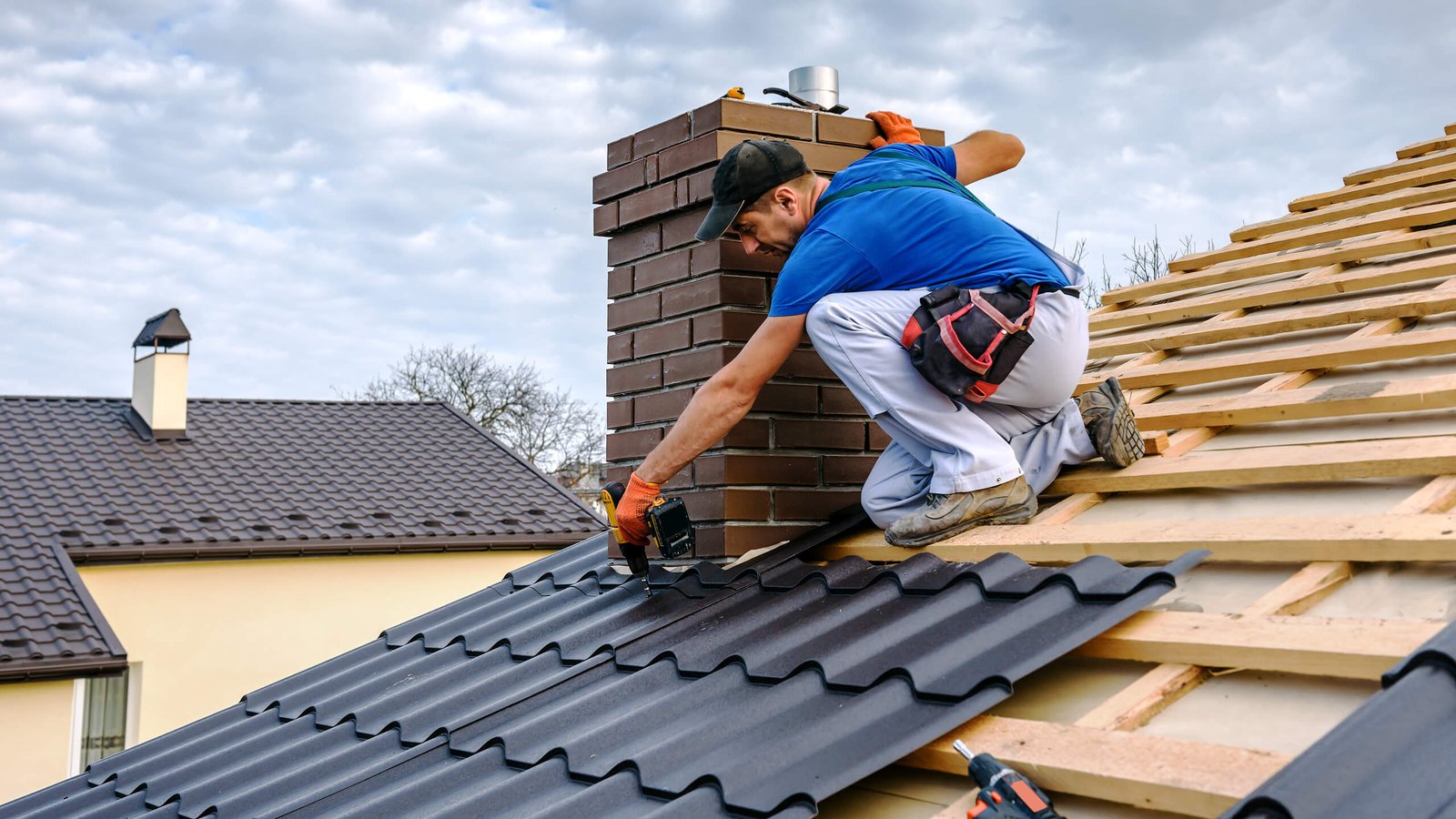
When we sit down with a homeowner or business owner who is comparing Roof Installation Services, we tell them the same thing every time: the right contractor is the one who treats your roof like it’s protecting their own family, not just another job on the calendar. At Roofing Freeport, we have spent over 26 years working on residential and commercial properties across the area, and we know that a roof is one of the biggest investments a property owner will make. Choosing the wrong provider can mean leaks, voided warranties, and thousands of dollars in avoidable repairs.
In this guide, we walk you through exactly what separates a dependable roofing company from one that cuts corners. You will learn what credentials matter, how Roofing Inspections fit into a proper installation, what questions to ask before signing a contract, and how to budget realistically for the work ahead. We built this guide from real jobs we have completed, not generic advice pulled from a template.
Why the Right Roof Installation Services Matter
A roof is not just shingles nailed to plywood. It is a system made up of underlayment, flashing, ventilation, and drainage that all work together to keep water out and energy costs down. When any one of these components is installed incorrectly, the whole system suffers. We have been called out to fix roofs that looked fine from the street but had improperly sealed flashing around chimneys or vents, which led to slow leaks that rotted the decking underneath.
Industry data consistently shows that roofing failures within the first five years are usually tied to installation errors rather than material defects. That is why the quality of workmanship matters just as much as the shingles or membrane you choose. Reliable Roof Installation Services protect the structure, the interior of your property, and your long-term costs all at once.
Bonus Tip
Ask any contractor you’re considering how they handle ventilation. Poor attic airflow is one of the most overlooked causes of premature roof failure, and a good crew will talk about it without being asked.
Credentials and Certifications to Verify
Before we ever step foot on a roof, property owners deserve to know who they are hiring. Here are the credentials we recommend checking with any provider:
- Manufacturer certification (such as GAF Master Elite status, held by less than 3% of roofing contractors nationwide)
- State licensing specific to roofing work in your area
- General liability and workers’ compensation insurance
- Local business history, ideally more than a decade
- Written warranties, both material and workmanship
We are proud to hold GAF Master Elite Certification and back our work with a 50-year transferable warranty, but the point here is not to promote ourselves. It is to show you the bar that a serious roofing company should meet.
The Role of Roofing Inspections in a Proper Installation
A thorough evaluation always comes before any tear-off begins. Roofing Inspections tell us what is happening beneath the surface, including hidden water damage, weakened decking, or ventilation issues that would otherwise go unnoticed until they cause a bigger problem. Skipping this step is one of the most common shortcuts that lower-quality contractors take to save time.
During an inspection, we check the condition of the roof deck, look for signs of moisture intrusion, evaluate attic insulation and airflow, and assess the flashing around any penetrations. This process usually takes less than an hour but can save property owners from surprises once the old roofing material comes off. We always recommend Roofing Inspections happen twice a year, ideally in spring and fall, even outside of an installation project.
Materials and Craftsmanship: What Sets Quality Apart
Not all shingles, membranes, or metal panels are created equal, and the installation method matters just as much as the product itself. We use premium materials because they hold up better against wind, hail, and temperature swings, but even the best material fails if it is installed poorly.
Here is a quick comparison of what to expect from different service tiers when evaluating Roof Installation Services:
| Factor | Budget Contractor | Professional Contractor (like us) |
|---|---|---|
| Materials Used | Builder-grade, minimal warranty | Premium, manufacturer-backed |
| Inspection Process | Often skipped or rushed | Full Roofing Inspections before and after |
| Warranty Coverage | Limited, material only | Up to 50 years, transferable |
| Crew Experience | Varies, subcontracted | Trained, in-house crews |
| Emergency Support | Rarely available | 24/7 availability |
| Financing Options | Limited | 100% financing available |
Bonus Tip
Always ask to see photos or references from a similar project, whether it is a steep residential roof or a flat commercial membrane system. Experience with your specific roof type matters more than general roofing experience alone.
Residential vs Commercial Roof Installation Services
Homeowners and commercial property managers have different priorities, and a contractor should be able to speak to both. Residential work often focuses on curb appeal, energy efficiency, and matching the style of the neighborhood. Commercial projects, on the other hand, involve larger scopes, tighter timelines to avoid business disruption, and specialized materials like TPO or modified bitumen for flat and low-slope roofs.
We handle both, and the approach shifts depending on the property. A commercial roof replacement, for example, often needs to be scheduled around business hours or done in phases to keep operations running. Understanding these differences upfront helps set realistic expectations for cost and timeline.
Cost Factors and Financing Options
Roof replacement costs vary widely based on square footage, material choice, roof pitch, and the condition of the existing structure. National data suggests roofing costs have risen steadily over the past several years due to material and labor pricing, which makes getting a detailed, written estimate more important than ever.
We offer free estimates and 100% financing options because we understand that a roof replacement is rarely a planned expense. A transparent contractor will walk you through the full cost breakdown, including tear-off, disposal, materials, labor, and any code-required upgrades, before any work begins.
Things to Consider Before Making a Decision
Before you commit to any provider, weigh these practical points:
- Get at least three written estimates so you can compare scope, not just price.
- Confirm insurance and licensing directly rather than taking a company’s word for it.
- Ask about the inspection process and whether it happens before, during, and after the job.
- Review the warranty terms closely, including what voids coverage.
- Check availability for emergency repairs, since roofing problems rarely wait for convenient timing.
- Ask how long the crew has worked together, since consistent teams tend to produce more reliable results.
Taking the time to work through this list before signing anything puts you in a much stronger position and helps you avoid the regret that comes with rushing a decision.
Final Thoughts on Choosing the Right Provider
Finding trustworthy Roof Installation Services comes down to verifying credentials, understanding the role of proper Roofing Inspections, and asking direct questions about materials, warranties, and crew experience. A roof is not something to gamble on, and the contractor you choose should be willing to earn your confidence with transparency at every step.
Ready to Talk About Your Roof? Let’s Get You a Straight Answer
If you are weighing your options for Roof Installation Services and want a clear, honest assessment of your roof’s condition, we are happy to help. Reach out to Roofing Freeport at (516) 226-8500 or email us at info@roofingfreeport.com for a free estimate. Whether you need a full replacement, a routine inspection, or just want a second opinion, our team is ready to walk you through your options with no pressure attached.
Frequently Asked Questions
How long does a typical roof installation take?
Most residential roofs take one to three days depending on size and weather, while commercial projects can take longer based on square footage and material type.
Do I need a full Roofing Inspections report before getting an estimate?
It helps significantly. An inspection gives both you and the contractor a clear picture of what repairs or upgrades might be needed beyond a simple reroof.
What is the average lifespan of a professionally installed roof?
With quality materials and proper installation, asphalt shingle roofs typically last 25 to 30 years, while metal and commercial membrane systems can last even longer with routine maintenance.
Can I stay in my home during a roof replacement?
Yes, in almost all residential cases. There will be noise and some vibration, but the property remains livable throughout the project.
Does homeowners insurance typically cover roof replacement?
It depends on the cause of damage and your policy. Storm or wind damage is often covered, while normal wear and aging typically are not. We can help document damage for insurance claims when needed.


 zab nabs
 William John