Sahu
Sahu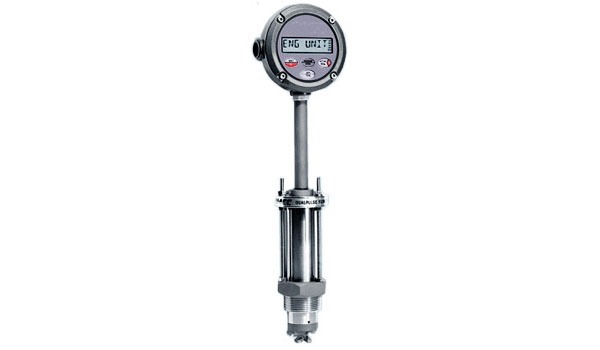
Paddle wheel flow meters are a practical choice for many systems that handle clean, low-viscosity liquids. Their simple structure, fast response time, and ability to integrate with digital controls make them a common solution in industrial, commercial, and agricultural setups. Even though these meters are reliable, their accuracy depends on several factors that must be understood during selection, installation, and long-term operation. At The Banksia Controls, we work closely with flow measurement equipment every day, and we know how important these factors are for keeping systems running smoothly.
How Paddle Wheel Flow Meters Function
A paddle wheel flow meter operates with a small wheel positioned inside the pipe. As fluid passes through, the wheel begins to rotate. Each rotation creates electrical pulses that represent the flow rate. Because the meter responds directly to the speed of the fluid, the readings are immediate and suitable for real-time monitoring and control.
This straightforward principle is what makes the paddle wheel meter cost-effective and easy to handle. However, the same simplicity also means the meter is sensitive to changes in flow conditions and installation quality. When these elements are well managed, the meter can deliver very solid performance.
Key Factors That Influence Accuracy and Performance
1. Condition of the Fluid
Paddle wheel meters are meant for clean, particle-free liquids. Any suspended solids, debris, or sludge-like material can cause the wheel to slow down or become obstructed. Even minor buildup on the paddles can make the readings drift. This is why these meters are commonly used for water treatment, irrigation, cooling systems, chemical dosing, and other applications where fluids stay clear and predictable.
If the fluid contains mild particles, pre-filtering or selecting a different flow meter type may be necessary to maintain accuracy.
2. Proper Installation Practices
The way a paddle wheel meter is installed makes a major difference. The meter needs straight pipe sections before and after the installation point to allow the fluid to settle into a stable flow pattern. Without this, turbulence forms, and turbulence leads to unstable readings.
Sharp bends, pumps, tees, and valves placed too close to the meter can disrupt accuracy. Mounting stability also matters; vibration or pipe movement can affect the signal. We always emphasize correct installation because it directly shapes long-term reliability.
3. Suitable Flow Velocity
Paddle wheel meters require a minimum flow speed for the wheel to turn smoothly. If the flow is too slow, the meter may struggle to register movement. If the flow is excessively fast, the paddles may wear out quicker. Keeping the fluid within the manufacturer’s recommended velocity range ensures both accuracy and longevity.
4. Compatibility With Temperature and Chemicals
The materials used for the wheel and meter body must match the fluid’s properties. Some chemicals can react with the meter materials, leading to wear or degradation over time. Temperature also affects material stability. Selecting the right combination—such as PVC, polypropylene, stainless steel, or other compatible materials—is essential for stable measurement performance.
5. Routine Maintenance
Although paddle wheel meters are low-maintenance, periodic checks are still important. Cleaning the wheel assembly, removing scale or deposits, and confirming the sensor is operating correctly will prevent unexpected issues. A clean, well-maintained meter provides accurate readings for many years.
Final Thought
When installed correctly and used within the right conditions, paddle wheel flow meters provide a reliable and economical way to measure liquid flow. Their accuracy depends on fluid quality, proper setup, compatible materials, and regular care. At The Banksia Controls, we support industries with paddle wheel flow meter solutions that deliver solid performance and dependable results for long-term operations.


 Accounting Experts
 Hooper James