Kevin Hill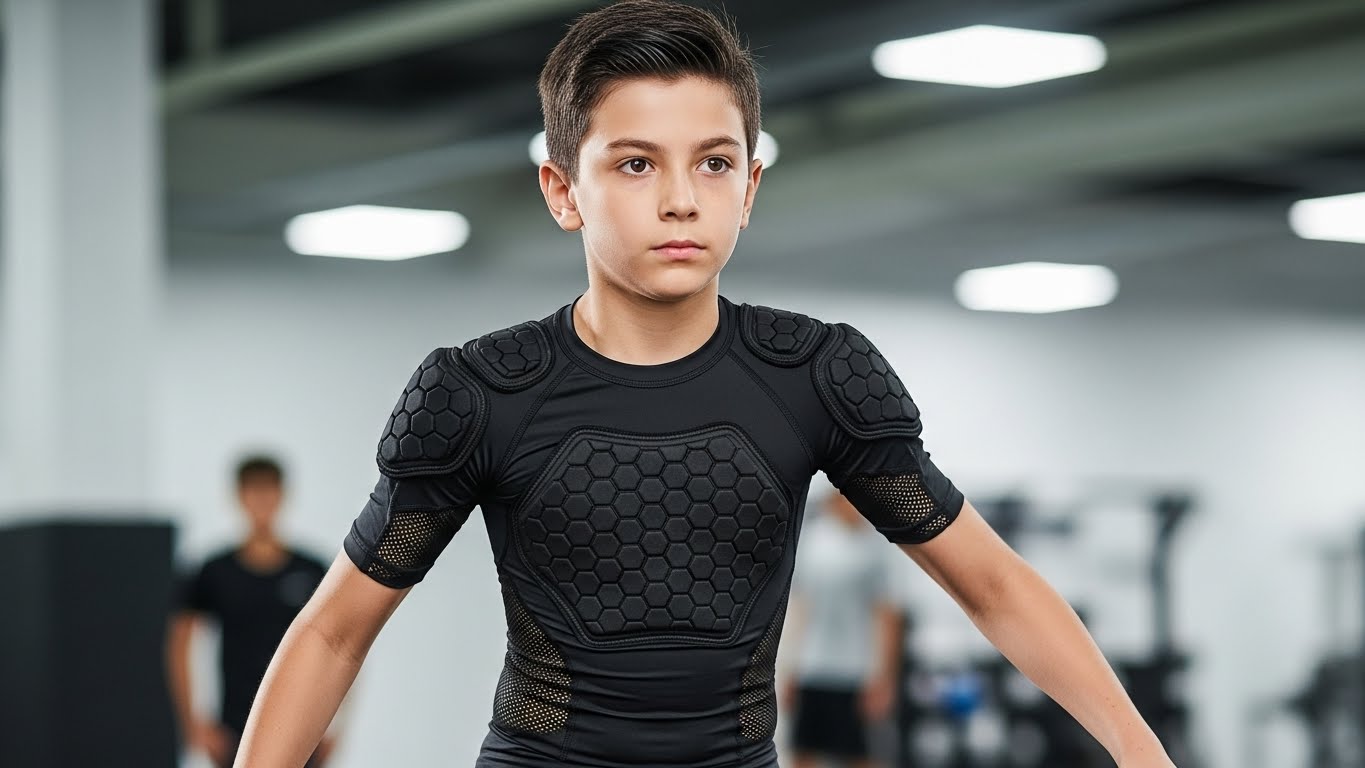
Introduction
Young athletes face unique physiological challenges that distinguish their equipment needs from adult players. Growing bodies respond differently to impact forces, temperature extremes, and sustained physical exertion. Understanding these differences has driven innovation in protective athletic gear, with youth padded compression shirts emerging as essential equipment that addresses both safety and performance requirements simultaneously.
These specialized garments combine advanced compression fabric technology with strategically positioned protective padding, creating a dual-purpose system that safeguards developing muscles while optimizing thermoregulation. Research consistently demonstrates that proper compression and padding significantly reduce injury rates while enhancing athletic output across various sports and competitive levels.
The Biomechanics of Muscle Protection in Youth Athletes
Adolescent musculoskeletal systems differ fundamentally from adult anatomy. Growth plates remain open, muscles attach to developing bones, and connective tissues possess different elasticity characteristics. These factors create vulnerability to specific injury patterns that appropriate protective equipment can mitigate.
Youth padded compression shirts address these vulnerabilities through impact-absorbing foam positioned over high-risk areas. When external forces strike protected zones, padding distributes impact energy across larger surface areas, reducing peak force concentration that causes contusions, hematomas, and muscle strains.
The American Academy of Pediatrics reports that proper padding reduces muscle contusion severity by 47% in youth contact sports. This protection proves particularly valuable for athletes aged 10-15, when growth spurts create temporary coordination challenges and increased injury susceptibility.
Beyond direct impact protection, compression elements provide muscular support that stabilizes developing tissue during explosive movements. This stabilization reduces excessive muscle oscillation—the vibration occurring during running, jumping, and cutting that contributes to fatigue and microtrauma accumulation.
Compression Technology and Muscle Function Enhancement
Compression garments apply graduated pressure to underlying tissues, creating measurable physiological effects that enhance both performance and recovery. Understanding these mechanisms explains why youth padded compression shirts deliver benefits extending beyond simple padding.
Improved Proprioception: Compression stimulates mechanoreceptors in skin and muscles, enhancing body position awareness. Young athletes with developing motor control patterns benefit significantly from this enhanced proprioceptive feedback, demonstrating better movement quality and coordination.
Reduced Muscle Oscillation: During dynamic activities, muscles vibrate at frequencies that increase energy expenditure and contribute to fatigue. Compression dampens these oscillations, improving mechanical efficiency by 3-5% according to research published in the Journal of Sports Sciences.
Enhanced Venous Return: Graduated compression facilitates blood flow back toward the heart, improving circulation and oxygen delivery to working muscles. This cardiovascular support proves particularly valuable during prolonged competitions or tournament situations requiring sustained performance.
Lactate Clearance: Compression accelerates removal of metabolic waste products including lactate, reducing the burning sensation in fatigued muscles and potentially shortening recovery periods between games or practice sessions.
A 2022 study examining youth football players found that those wearing compression garments maintained power output 8% longer during repeated sprint tests compared to control groups—a significant endurance advantage in competitive contexts.
Thermoregulation Challenges in Youth Athletes
Young athletes face disproportionate heat-related risks due to physiological differences in thermoregulation. Children produce more metabolic heat per kilogram of body weight than adults while possessing less efficient sweating mechanisms. Their higher surface-area-to-mass ratios also make them more susceptible to environmental temperature extremes.
These factors create serious safety concerns during summer sports participation. The Centers for Disease Control and Prevention reports that youth athletes experience heat-related illness at rates 3-5 times higher than adult counterparts when environmental conditions become challenging.
Youth padded compression shirts engineered for thermoregulation incorporate several design features addressing these risks:
Moisture-Wicking Fabrics: Advanced synthetic materials pull sweat away from skin through capillary action, facilitating evaporative cooling. When moisture remains on skin, it impairs the body’s primary cooling mechanism. Effective wicking maintains this crucial process.
Breathable Construction: Mesh panels in high-heat zones (underarms, sides, back) allow air circulation that carries away thermal energy. Strategic ventilation placement maximizes cooling without compromising protective coverage.
Rapid-Dry Technology: Quick-drying fabrics prevent saturation that would eliminate wicking effectiveness. Materials that dry within 20-30 minutes maintain performance throughout extended activities.
Light Color Options: Lighter colors reflect rather than absorb solar radiation, reducing radiant heat gain during outdoor activities in direct sunlight.
Research from the American College of Sports Medicine demonstrates that proper moisture management reduces core temperature elevation by 0.3-0.5 degrees Celsius during sustained exercise—enough to significantly impact both safety and performance.
Strategic Padding Placement for Optimal Protection
Effective Youth football padded undershirt position protective elements based on injury data and biomechanical analysis. Random padding placement adds weight without proportional safety benefits. Strategic design concentrates protection where young athletes need it most.
Shoulder Cap Protection: The deltoid region receives frequent impacts during contact sports. Contoured padding over shoulder caps absorbs collisions without restricting arm mobility necessary for throwing, reaching, and tackling motions.
Rib Cage Coverage: Lateral padding protects vulnerable rib areas from side impacts and accidental contact. Youth rib cages lack the full ossification of adult bone structures, making protection particularly important for developing athletes.
Spine Guards: Padding along thoracic vertebrae protects against impacts from behind and provides psychological confidence that encourages aggressive play without fear. Back protection proves especially valuable in sports like football, lacrosse, and hockey.
Sternum Shielding: Front chest padding guards against frontal impacts and provides commotio cordis protection—rare but serious cardiac events caused by chest wall impacts during vulnerable cardiac cycle phases.
Padding density and thickness vary by position, with high-impact zones receiving firmer, thicker protection while areas requiring maximum flexibility utilize thinner, more pliable foam materials.
Material Science Advances in Compression and Padding
Modern youth padded compression shirts represent significant technological evolution from earlier protective equipment. Material science advances have created fabrics and foams delivering superior performance across multiple criteria simultaneously.
Four-Way Stretch Fabrics: Elasticity in all directions allows unrestricted movement during complex athletic motions. Young athletes need freedom to develop proper technique without equipment-imposed constraints.
Antimicrobial Treatments: Silver-ion or similar treatments inhibit bacteria growth that causes odor and potential skin irritation. Equipment contacting skin directly throughout extended use benefits significantly from these treatments.
Lightweight Foam Technologies: Modern closed-cell foam materials absorb substantial impact energy while weighing 30-40% less than older padding technologies. Reduced weight prevents equipment from becoming a performance burden.
Seamless Construction: Flatlock or seamless stitching eliminates pressure points and chafing that make equipment uncomfortable during prolonged wear. Comfort directly influences whether young athletes wear protective equipment consistently.
UV Protection: Many compression fabrics include UV-blocking properties that protect skin during outdoor sports participation, providing sun safety without additional sunscreen application on covered areas.
Sport-Specific Applications and Performance Benefits
Different sports create distinct protection and thermoregulation demands. Youth football padded undershirt designed for specific activities optimize features accordingly:
Football: Maximum padding coverage with emphasis on shoulder, rib, and spine protection. Moisture management proves critical given equipment loads and exertion levels.
Lacrosse: Balanced padding with enhanced mobility requirements. Protection must accommodate stick-handling and dodging movements without restriction.
Hockey: Focus on cooling since multiple equipment layers create heat buildup. Padding complements rather than duplicates protection from shoulder pads and chest protectors.
Baseball/Softball: Targeted protection for catchers and infielders without unnecessary padding that would restrict throwing mechanics or running speed.
Multi-Sport Applications: Versatile designs suitable across various activities, providing cost-effective solutions for families with limited equipment budgets.
Athletes report increased confidence when wearing appropriate protection, leading to more aggressive, effective play. This psychological benefit complements physical protection and performance advantages.
Sizing, Fit, and Comfort Considerations
Youth padded compression shirts deliver benefits only when properly fitted. Incorrect sizing creates both safety concerns and discomfort that discourages consistent use.
Compression Calibration: Garments should feel snug without restricting breathing or circulation. Properly calibrated compression provides support without creating pressure points or numbness.
Padding Alignment: Protective elements must cover intended anatomical areas. Shirts that ride up or shift during activity fail to protect adequately.
Growth Accommodation: Parents face the challenge of equipment that fits currently while accommodating anticipated growth. Most manufacturers design youth sizes with reasonable stretch tolerances for 6-12 month use.
Comfort Testing: Young athletes should perform sport-specific movements while wearing gear before purchase when possible. Jumping, arm circles, torso rotation, and sprint simulation reveal fit issues better than static assessment.
Seasonal Adjustments: Athletes may require different sizes for fall versus spring seasons as growth occurs. Regular fit assessments ensure continued protection and comfort.
Care, Maintenance, and Longevity
Proper care extends youth padded compression shirts’ effective lifespan while maintaining protective and performance properties:
Washing Protocols: Machine wash cold with mild detergent. Avoid fabric softeners that degrade elastic fibers and reduce moisture-wicking effectiveness.
Drying Methods: Air drying preserves foam padding integrity and fabric elasticity better than machine drying. When using dryers, select low heat settings.
Inspection Routine: Regularly examine padding for compression, tears, or separation from fabric. Damaged foam loses protective capability and requires replacement.
Storage Practices: Store flat or on hangers rather than wadded in equipment bags. Proper storage prevents permanent creasing that degrades compression effectiveness.
Replacement Timeline: Even with excellent care, compression garments lose elasticity over time. Replace Youth football padded undershirt every 1-2 seasons for optimal performance and protection.
Integration with Complete Safety Systems
While youth padded compression shirts provide substantial protection, they function as components within comprehensive safety approaches:
Proper Technique Coaching: Teaching correct form reduces injury risk more than any equipment. Safe tackling, falling, and contact techniques are fundamental.
Strength and Conditioning: Appropriate resistance training and flexibility work prepare young bodies for sports demands and increase injury resistance.
Hydration Protocols: Even optimal thermoregulation equipment cannot compensate for inadequate fluid intake. Comprehensive hydration strategies remain essential.
Medical Oversight: Regular health screenings, injury assessments, and appropriate return-to-play protocols protect long-term athlete wellbeing.
Equipment Combinations: Compression shirts work synergistically with helmets, mouthguards, and position-specific protective gear for complete coverage.
Conclusion
Youth padded compression shirts represent sophisticated athletic equipment addressing young athletes’ unique physiological needs. By combining impact protection with compression benefits and advanced thermoregulation, these garments enhance both safety and performance simultaneously.
The dual functionality proves particularly valuable for youth sports where injury prevention and heat safety are paramount concerns. Parents and coaches investing in quality compression gear demonstrate commitment to athlete welfare while providing tools that genuinely improve competitive outcomes.
As youth sports participation continues growing in intensity and year-round commitment, appropriate protective equipment becomes increasingly important. Youth football padded undershirts offer evidence-based solutions to legitimate safety concerns while supporting the athletic development that makes sports rewarding for young participants.


 Brandon Flower
 Christopher Stall