Lora Lee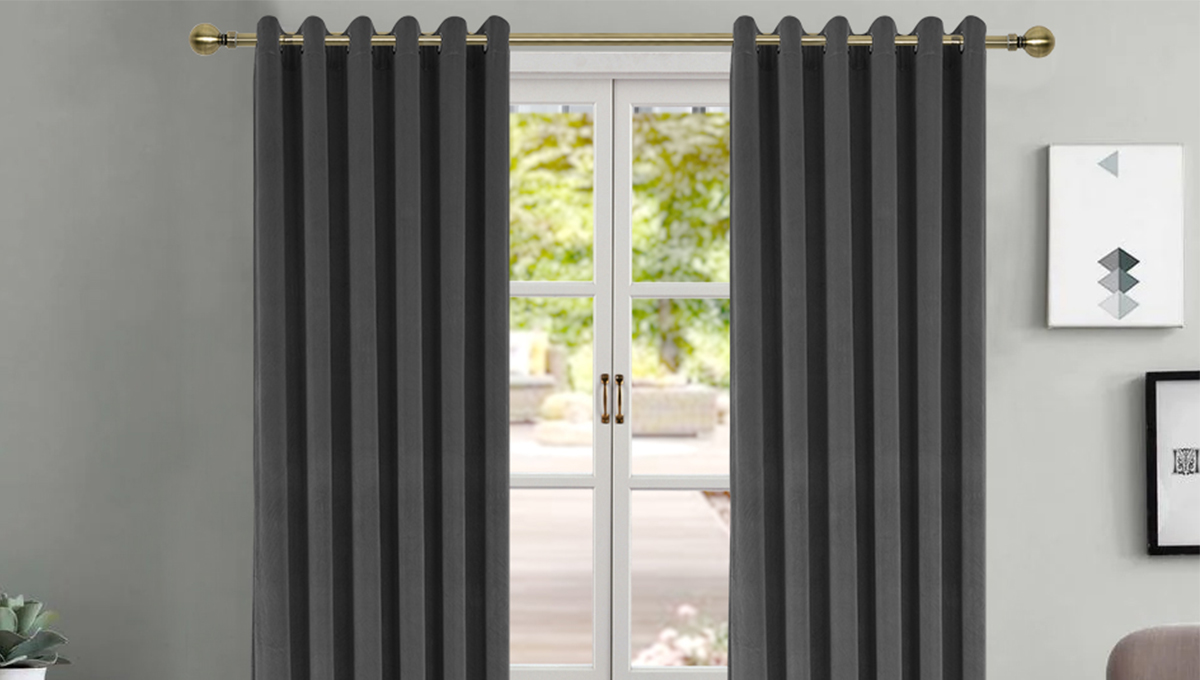
When buying curtains — whether blackout drapes for darkened bedrooms or simple decorative curtains for living rooms — we often focus on fabric, colour, and size. But the rod or pole you mount them on matters just as much. The difference between a rod designed for blackout curtains (heavy, wrap-around, high-support) and a plain ball curtain pole (often decorative, simpler, lighter) can be the difference between curtains that hang elegantly and perform well and those that sag, gape, or don’t deliver on light/draft blocking.
In this article we’ll examine: what defines a “blackout curtain rod” vs a “plain ball curtain pole,” the pros and cons of each, and how to choose depending on your use-case.
What are “Blackout Curtain Rods” and “Plain Ball Curtain Poles”?
First, definitions:
- Blackout Curtain Rods: These are rods (or poles) designed specifically to support heavy, dense curtains — blackout drapes, thermal curtains, or layered drapes (e.g. blackout + sheer). Often they feature heavier-duty materials (strong metal or robust wood), sometimes wrap-around designs (curved ends) to press curtains closer to the wall/window to reduce light leaks, and a weight-bearing capacity sufficient for thick fabrics.
- Plain Ball Curtain Poles (or “standard/decorative curtain poles”): These are the simpler rods used for lighter curtains—sheers, light drapes, or standard decorative curtains. The “ball” refers to a finial style (ball-shaped end caps), common in minimalist or traditional homes. These poles typically prioritize aesthetic simplicity or decor matching, rather than heavy-duty support.
Why the Type of Rod Matters — For Heavy Curtains
1. Heavy weight of Blackout Curtains demands strong support
Blackout curtains are often thicker, heavier fabrics — because they are layered or lined to block light and sometimes provide thermal or acoustic insulation.
Standard or light curtain poles (like plain ball poles) may struggle under the load. Over time the rod may sag, bend, or brackets may loosen. This undermines both appearance and function (curtains may drag, unevenly hang, or leave gaps).
In contrast, blackout-rated rods or heavy-duty rods are engineered for supporting heavier fabrics; they use stronger materials, thicker diameters, solid mounting brackets. With proper installation, they remain stable even with frequent opening/closing of curtains.
2. Light-blocking effectiveness often depends on rod design
If your aim is to achieve as much darkness (or thermal insulation) as possible — especially for bedrooms, home theatres, or shift-worker rooms — blackout curtain rods can make a difference. Some have wraparound or curved ends so the curtain panels can “wrap” closer to the wall/window edges, reducing side-light leaks. This improves privacy, darkness, and heat insulation.
A simple decorative pole may leave gaps at the edges or allow curtains to hang straight, missing potential overlap zones and letting in light or drafts.
3. Safety and long-term durability
Because blackout rods are built for heavier loads, they tend to be more robust overall — stronger metals or hardwood, better brackets, and less chance of bending or sagging over time. Especially in humid or variable climates (or heavy use — e.g. daily opening/closing), investing in a sturdy rod reduces the risk of failure, wall damage, or curtain drooping.
But Plain Ball Curtain Poles Aren’t Useless — When They’re a Great Fit
There are plenty of situations where a plain ball curtain pole (or a standard decorative rod) is actually more appropriate — and sometimes even preferable:
- Lightweight Curtains / Sheers
If your curtains are sheer, light, decorative, or purely aesthetic (not blackout or heavy), a plain pole is sufficient. A heavy-duty blackout rod may be overkill, both in cost and weight capacity.
- Simple Décor and Light Use
For living rooms, kitchens, or places where curtains are rarely opened/closed, or where heavy drapes aren’t required, a simple pole offers a minimalist, clean look. The decorative “ball” finials add to interior style with little functional burden.
- Cost and Ease of Installation
Plain poles are often more affordable, simpler to install, less heavy, and require less robust mounting hardware. For light-weight drapes or budget furnishing this can be attractive.
- Flexibility and Style Focus
Because plain poles are more about aesthetics and less about function, they are often better suited where curtains are chosen for style (colour, fabric, design) rather than insulation or light-blocking.
So, if you have a bright airy living room or want light, flowy curtains — plain ball poles remain a perfectly valid, often stylish choice.
Key Differences — Blackout Rod vs Plain Ball Pole (Comparison)
Here’s a quick table summarizing the trade-offs:
|
Feature / Requirement |
Blackout Curtain Rod |
Plain Ball Curtain Pole |
|
Curtain Fabric Type |
Heavy curtains / blackout / thermal / layered |
Light curtains / sheers / decorative drapes |
|
Weight Capacity / Load |
High — supports heavy fabrics steadily |
Low to moderate — may sag under heavy weight |
|
Light-blocking / Draft Control |
High, especially with wrap-around or tight-fit rods |
Low — may allow gaps or side light leaks |
|
Insulation & Energy Efficiency (Heat, Cold) |
Good — supports heavy lined curtains, helps with thermal control |
Minimal — mainly aesthetic |
|
Durability and Long-term Use |
Strong — less prone to sagging, bending if properly mounted |
Sufficient for light curtains, may wear out faster under heavy load |
|
Aesthetic / Decor Focus |
Functional but can be decorative (depending on finish) |
Decorative — finials, design, visible polarity |
|
Cost / Installation Effort |
Usually a bit more expensive; requires secure mounting |
Often cheaper, easier to install |
When to Use Blackout Curtain Rods — Recommended Scenarios
Here are some cases where blackout rods are the smart choice:
- Bedroom curtains / blackout drapes — especially if you aim for full darkness, early sleep, day-time naps, or privacy.
- Heavy or layered curtains — e.g. blackout + sheer + decorative drape combo, or thermal curtains.
- Large windows or wide spans — heavy curtains over a wide span demand strong support and spacing of brackets to prevent sagging.
- Long-term investment — if you want a stable, durable setup that lasts many years without bending or failing.
- Energy efficiency / insulation / light & sound control — for insulation, reduced external noise, heat retention in winters or darkness for home-theatre or shift-worker’s sleep schedule.
When a Plain Ball Curtain Pole Makes Sense
You might opt for a simpler decorative pole if:
- Curtains are light — sheer panels, decorative drapes, light fabric curtains.
- You value aesthetics over function — living rooms, dining areas, decorative windows.
- Budget is limited or you want a quick refresh rather than heavy-duty installation.
- You anticipate changing curtains often — in that case, lighter rods make it easier to switch fabrics or styles without heavy lifting or drilling.
- Window coverage and light-blocking aren’t priorities: e.g. you’re fine with soft daylight filtering in.
Key Considerations Before Buying (Whatever You Choose)
Even when deciding between rod types, there are several technical details that matter:
- Material & Strength: For blackout rods, choose metal (steel, alloy) or strong hardwood; these resist bending and hold heavy fabric. For light use, simpler metal or wood poles suffice.
- Diameter / Thickness: Thicker rods (with adequate wall-thickness) better support heavier curtains without sagging.
- Bracket Mounting & Support Spacing: For wide windows or heavy curtains, more frequent brackets (or even centre support) prevents bowing.
- Rod Length + Wraparound / Return Ends: Especially for blackout curtains, rods with wraparound or “return” ends help curtains hug the wall/window, reducing side light leaks.
- Ease of Installation & Stability: Secure brackets — ideally fixed into studs or with proper wall anchors — are essential if curtains will be heavy or moved frequently. Poor installation is often the weak link, not the rod material itself.
- Compatibility with Curtain Type: Certain heading types (eyelet, grommet, tab-top, pleated) may influence rod type (standard vs drapery / traverse rods).
Verdict: Which is “Best”? — There’s No One-Size-Fits-All
The truth is: neither blackout curtain rods nor plain ball curtain poles are “universally best.” Instead, the “best” depends on how you’re using your curtains:
- For heavy blackout curtains, maximum light/draft control, insulation, long-term use — go for a blackout-rated heavy-duty rod, ideally with wraparound ends, good brackets and thick material.
- For light curtains, decorative drapes, simple rooms, or if aesthetics matter more than function — a plain ball curtain pole is elegant, affordable, and sufficient.
- If you foresee changing curtains often, want flexibility, or want minimal cost and effort — the simpler pole is more practical.
- If you want long-term durability, heavy curtains, and performance (light blocking, insulation) — invest in a robust blackout rod.
Recommendations: What to Look for in Blackout Rods (and Poles)
If you decide to go for a blackout rod or pole — or even a decorative pole — here’s a checklist:
- Material & Build — Prefer strong metal (steel, alloy) or hardwood; avoid thin hollow rods if curtains are heavy.
- Diameter & Thickness — Choose rods with sufficient wall thickness and sturdiness.
- Brackets & Mounting Quality — Heavy-duty wall anchors; if your window span is wide, use extra supports / centre brackets.
- Wraparound / Return Ends (for Blackout use) — If you want minimal light leaks.
- Rod Length & Overhang — Extend rod beyond window frame (both sides) so curtains can fully cover and stack neatly when open.
- Compatibility with Curtain Type — Ensure your rod works with your curtain heading (eyelets, pleats, tabs, etc.).
- Finish & Design (for Poles) — If style matters, pick a finish/finial that matches your room décor.
Final Thoughts
Choosing between a blackout curtain rod and a plain ball curtain pole isn’t just about looks — it’s about function, longevity, and how your curtains will actually perform. If you want your blackouts to truly block light, insulate your room, and last for years — invest in a quality blackout-rated rod with solid brackets and wraparound ends. If you have lighter curtains or are more concerned with décor and flexibility, a plain ball pole may be just right.
In the end, the “right” rod is the one that fits your curtains and your use-case. A poor rod undermines even the best curtains. A good rod makes even simple curtains look and perform better.

 Kian Adler
 black leather straitjacket