philip combs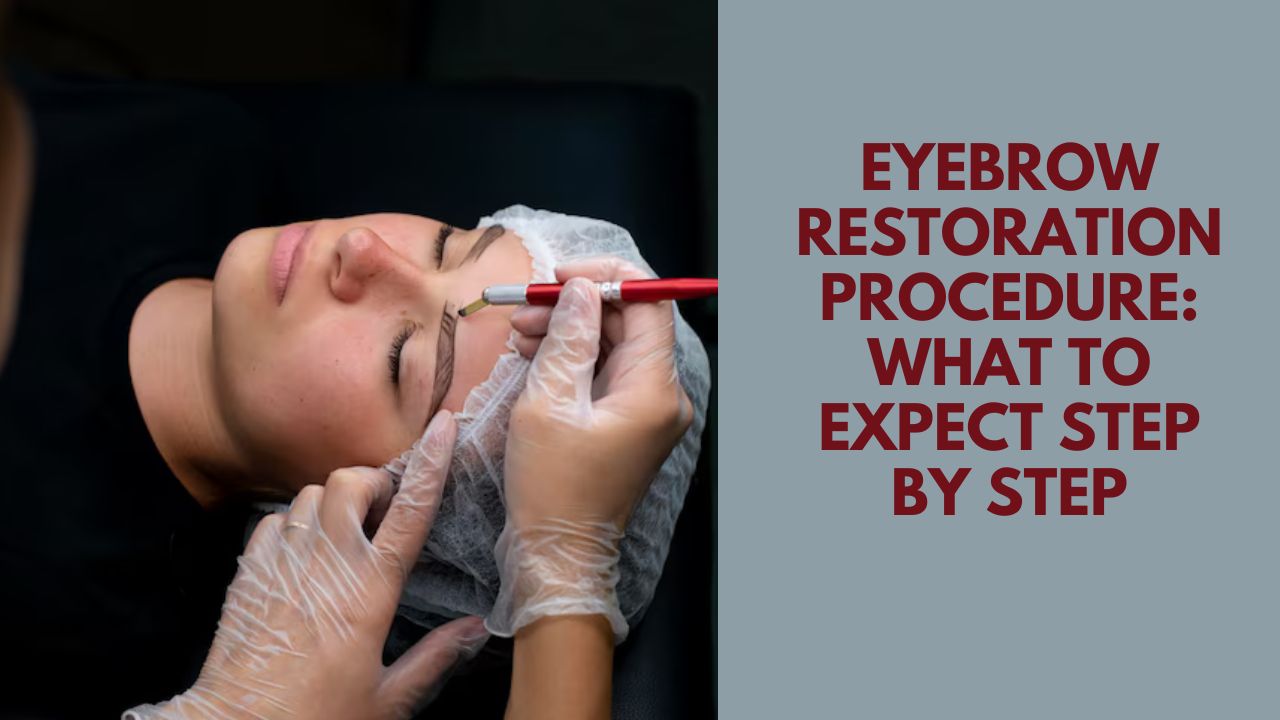
Eyebrows play a bigger role in facial balance than many people realise. They frame the eyes, enhance expressions, and subtly influence how youthful or alert a face appears. When brows become thin, patchy, or uneven due to overplucking, genetics, medical conditions, or ageing, it can affect overall confidence. In recent years, eyebrow restoration has gained attention as a long-term solution that prioritises natural regrowth over temporary cosmetic fixes. Unlike makeup-based options, this approach works with your own hair to rebuild brow density and shape. Understanding the process step by step can remove uncertainty and help you make informed decisions. This guide breaks down what typically happens before, during, and after the procedure, so you know exactly what to expect from start to finish.
Understanding the Basics of Eyebrow Restoration
At its core, eyebrow restoration is a procedure that recreates natural eyebrow hair in areas where growth has slowed or stopped. It uses advanced hair transplant techniques tailored to the delicate eyebrow region. Because eyebrow hairs grow at unique angles and directions, precision and planning are essential to achieve realistic results.
The purpose is not just to add hair, but to restore balance and harmony to the face. Each treatment plan is customised based on facial structure, skin type, and the desired brow shape, ensuring results look natural rather than artificial.
Step 1: Consultation and Brow Design
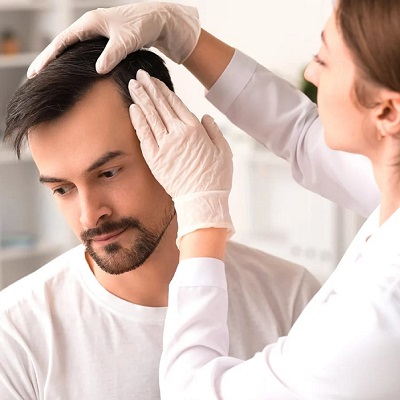
The journey begins with a detailed consultation. During this phase, the practitioner evaluates your eyebrow area, discusses your concerns, and reviews your medical history. Brow shape design is a critical part of this step, as it determines the final result.
Photos or digital previews may be used to visualise outcomes. This planning stage ensures the eyebrow restoration process aligns with your facial features and personal expectations.
Step 2: Donor Hair Selection
Hair used for the procedure is typically taken from a donor area, often behind the ears or the back of the scalp, where hair texture closely matches eyebrow hair. Only fine, single-hair grafts are selected to maintain a natural appearance.
Careful donor selection helps ensure that the transplanted hair blends seamlessly with existing brows and grows in a realistic pattern.
Step 3: Graft Extraction Process
Once the donor area is identified, individual hair follicles are extracted using minimally invasive techniques. This step is performed under local anaesthesia, making the process comfortable for most patients.
The extracted follicles are then carefully prepared under magnification. Attention to detail during this phase is vital, as the survival and growth of each graft directly impact the success of eyebrow restoration.
Step 4: Precise Implantation
Implantation is the most meticulous part of the procedure. Tiny incisions are completed following the natural direction and angle of eyebrow hair growth. Each follicle is placed one by one to recreate the natural curvature of the brow.
This level of precision helps avoid common issues such as upright or misdirected hairs, ensuring the final look appears soft and natural rather than rigid or artificial.
Step 5: Immediate Aftercare and Healing
After the procedure, mild redness or swelling may occur, typically subsiding within a few days. Small scabs can form around the implanted hairs and usually fall off naturally within a week.
Following aftercare instructions is essential during this phase. Proper care supports healing and protects the newly placed follicles as they settle into their new location.
Step 6: Shedding and Regrowth Phase
It’s normal for transplanted hairs to shed within the first few weeks. This can be surprising, but it’s a standard part of the healing cycle. The follicles remain intact beneath the skin and gradually begin producing new hair.
Over the next few months, noticeable regrowth occurs. As the hairs mature, they begin to resemble natural eyebrow hair in texture and thickness.
Step 7: Long-Term Results and Maintenance
Final results typically become visible between 8 and 12 months. Because the transplanted hair comes from the scalp, it may grow longer than natural eyebrow hair and may require occasional trimming.
When performed by experienced specialists, eyebrow restoration can provide lasting, natural-looking results. Clinics such as Beverly Hills Hair Restoration in Palm Desert are known for applying advanced techniques that emphasise detail and facial harmony without appearing overdone.
Is Eyebrow Restoration Right for You?
This approach may be suitable for individuals experiencing thinning due to overplucking, scarring, hormonal changes, or medical conditions. A professional assessment is the best way to determine candidacy and set realistic expectations.
Understanding the step-by-step process helps patients feel more confident and prepared, reducing anxiety and improving overall satisfaction with the outcome.
Conclusion
Choosing eyebrow restoration is a personal decision that goes beyond aesthetics. It’s about restoring confidence, balance, and a sense of self that may have been lost over time. By understanding each step—from consultation and donor selection to implantation and regrowth—you gain clarity about what the journey involves. The process requires patience, as natural results develop gradually, but the long-term benefits can be significant. With proper planning, skilled execution, and realistic expectations, eyebrow restoration offers a dependable solution for fuller, well-shaped brows. Taking the time to learn and consult with experienced professionals ensures the results feel natural, personalised, and aligned with your facial features for years to come.

 Beaute Concept
 Derma One Aesthetic Clinic