Pankaj Sharma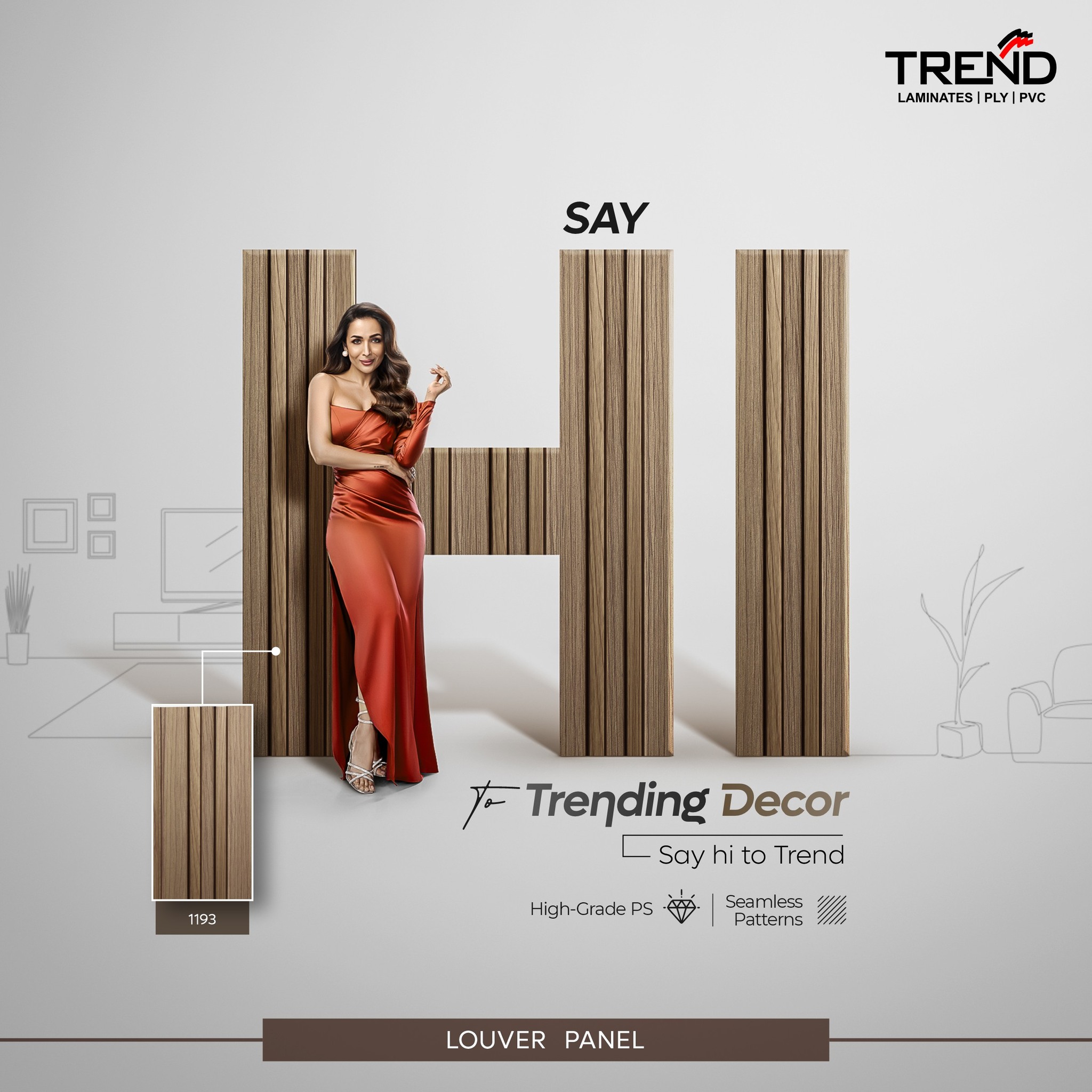
The interiors nowadays will not be characterized by furniture and paint colours alone. The walls are important today in defining the general nature of a space. One design element that has gained immense popularity among interior designers, architects, and homeowners is Wall Louvers. Known for their clean lines, versatility, and functional appeal, wall louvers are transforming residential and commercial interiors alike.
This blog explores how wall louvers can elevate your space, their benefits, applications, and why they are a smart choice for contemporary interior design.
What Are Wall Louvers?
Wall louvers are linear panel systems designed to enhance wall surfaces with depth, texture, and rhythm. The louvers which were traditionally linked to ventilation and the outer surfaces are now stylish interior decorations. In modern interiors, they are often used as Wall Panelling Louvers to create feature walls, partitions, or decorative accents.
Available in materials like PVC, MDF, WPC, metal, and laminate finishes, wall louvers can seamlessly blend with various interior styles—from minimalist and modern to warm and luxurious.
Why Wall Louvers Are Trending in Interior Design
The rising demand for wall louvers is driven by both aesthetics and functionality. In comparison to a simple painted wall, the use of louvers brings about structure and motion so that the indoor environment is not cluttered and made interesting to look at.
- Interior designers favor wall louvers because they:
- Give flat walls architectural interest.
- Develop height or width depending on orientation.
- Complementation of modern furniture and lighting.
Provide design and location flexibility.
They can fit well in homes, offices, hotels, retail areas and even hospitality interiors because of their flexibility.
Key Benefits of Wall Louvers
1. Enhanced Visual Appeal
Wall louvers instantly elevate the look of any space. Their linear style gives the walls depth and shadow effect, which makes them seem more dynamic. Whether used behind a TV unit, bed headboard, or reception desk, wall louvers act as a striking focal point.
2. Versatile Design Options
From subtle neutral tones to bold wood-grain finishes, wall louvers offer endless design possibilities. They work beautifully as Interior Wall Panel solutions, pairing well with modern lighting, decorative laminates, and textured surfaces.
3. Functional Advantages
Beyond aesthetics, wall louvers can help conceal wiring, uneven surfaces, or wall imperfections. They are also used to enhance air movement and acoustics in certain designs, particularly where the building is commercial or office.
4. Low Maintenance
Most modern wall louvers, especially PVC and WPC options, are moisture-resistant, termite-proof, and easy to clean. This suits them perfectly well in the Indian homes where durability and maintenance are a major concern.
5. Quick Installation
Compared to traditional wall treatments like stone cladding or heavy woodwork, wall louvers are relatively quick to install. This makes them an ideal option when making renovations or interior projects on a fast-track basis.
Applications of Wall Louvers in Different Spaces
Living Rooms
In living rooms, wall louvers are often used as TV backdrop panels or feature walls. Vertical louvers may form the illusion of height whereas the horizontal designs bring about width and equilibrium. Their use with ambient lighting will provide a high-end and welcoming feel.
Bedrooms
Wall panelling louvers behind the bed can replace traditional headboards. The wood surfaces are either soft or matte to achieve a relaxing or luxurious look and make the space more soothing.
Offices and Business Studios.
In offices, wall louvers bring professionalism and modern appeal. They are regularly incorporated in reception, conference and cabin wall settings to give the impression of a clean, organized appearance that is more aligned to the current corporate image.
Hallways and Partitions
Wall louvers also work well as decorative partitions or hallway accents. They create spaces without obstructing light and make interiors open and connected with each other.
Wall Louvers vs Traditional Wall Treatments
Compared to paint, wallpaper, or tiles, wall louvers offer a more architectural and premium finish. Although paint is very dependent on color, forms and textures are added with the help of the louvers. They are also stronger and less wearable as compared to wallpapers. As an interior wall panel solution, louvers strike a balance between design impact and long-term performance.
Choosing the Right Wall Louvers for Your Space
When selecting wall louvers, consider:
- Material: Low maintenance PVC and high-end interior of MDF or laminate.
- Orientation: Vertical direction (height) and horizontal direction (width).
- Colour and Finish: Blend with flooring, furniture and lighting.
- Use: Decoration, division, or full coverage of wall.
When you consult with an interior designer or contractor, you can be sure that the design will be in compliance with your space, budget, and practical requirements.
Final Thoughts
Wall louvers are more than just a design trend—they are a practical and stylish way to redefine interior spaces. Whether you are building a new home, renovating an office, or upgrading a single wall, Wall Louvers offer a modern solution that blends aesthetics, durability, and versatility.
With thoughtful selection and proper installation, wall panelling louvers can transform ordinary walls into stunning design statements. As interior design continues to evolve, wall louvers remain a smart investment for anyone looking to create elegant, contemporary, and functional interiors.

 GodDigital GodDigital