acesso biologics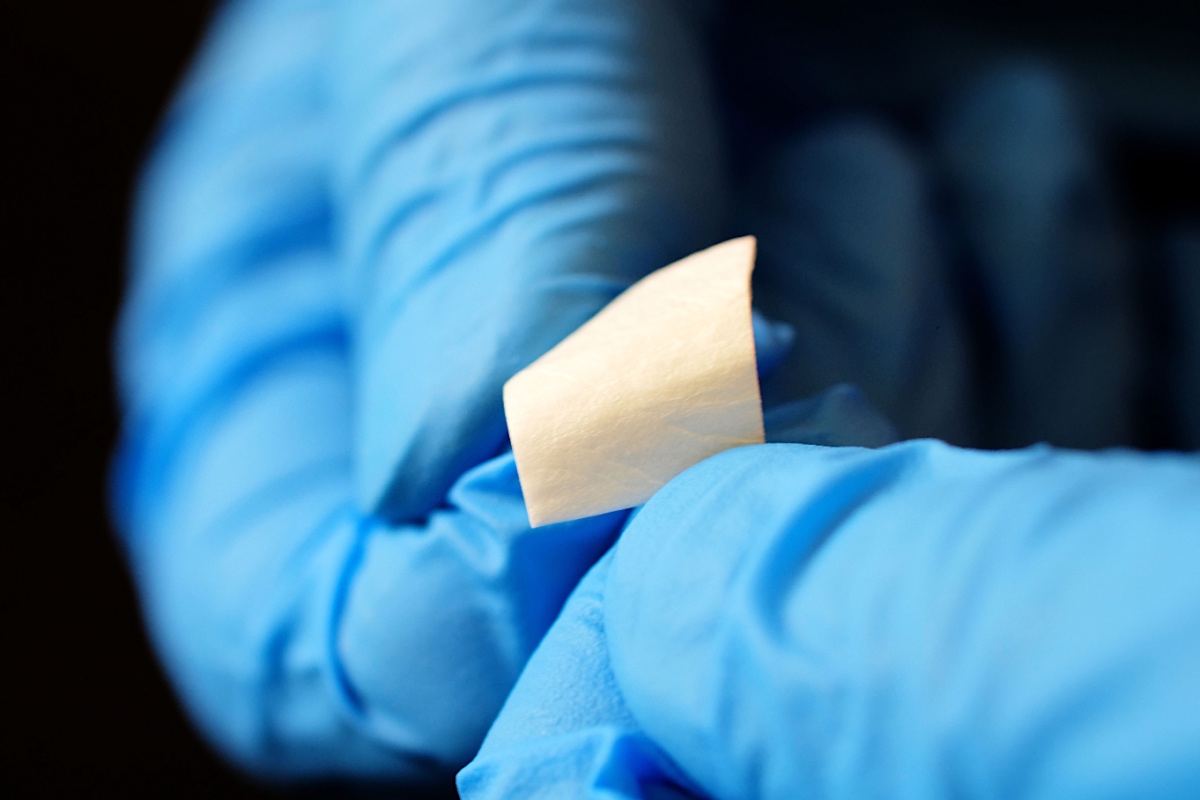
Wound care and skin regeneration have seen remarkable advances in recent years, with amniotic wound grafts and amniotic skin grafts leading the way in promoting faster and more effective healing. These grafts, derived from the naturally regenerative amniotic membrane, are increasingly used to treat chronic wounds, burns, surgical injuries, and other complex skin conditions.
Understanding Amniotic Grafts
Amniotic grafts come from the amniotic membrane, the innermost layer of the placenta, which naturally protects and nourishes a developing fetus. This membrane contains growth factors, cytokines, and extracellular matrix components that encourage tissue regeneration and reduce inflammation, making it ideal for medical applications.
-
Amniotic Wound Grafts: Specifically used for chronic or non-healing wounds, they provide a protective barrier, stimulate tissue repair, and reduce the risk of infection.
-
Amniotic Skin Grafts: Primarily used for larger skin injuries like burns or surgical wounds, they support skin regeneration and minimize scarring.
Benefits of Amniotic Grafts
The use of amniotic wound grafts and amniotic skin grafts offers multiple advantages over traditional wound care methods:
-
Faster Healing
Growth factors in the amniotic membrane accelerate cell proliferation and tissue regeneration, leading to quicker wound closure. -
Reduced Inflammation
Amniotic grafts naturally modulate inflammation, which is critical for chronic wounds or burns prone to swelling. -
Antimicrobial Properties
The membrane’s natural components help prevent infection, supporting safer healing in high-risk patients. -
Pain Reduction
Acting as a protective layer, amniotic grafts reduce nerve exposure at the wound site, leading to less discomfort. -
Improved Cosmetic Results
By promoting natural tissue regeneration and minimizing inflammation, these grafts often result in reduced scarring compared to conventional methods.
Applications in Wound and Skin Care
The versatility of amniotic grafts makes them suitable for a wide range of medical scenarios:
-
Chronic Wounds: Diabetic ulcers, pressure sores, and venous leg ulcers can benefit from accelerated healing and improved tissue quality.
-
Burns: Partial and full-thickness burns respond well to amniotic skin grafts, which enhance recovery and reduce scarring.
-
Surgical Wounds: Reconstructive and cosmetic surgery patients can experience faster recovery with better outcomes.
-
Traumatic Injuries: Amniotic grafts support healing of skin loss and deep tissue damage, restoring both function and appearance.
Why Choose Amniotic Grafts Over Traditional Methods?
Traditional wound care often relies on dressings, donor-site grafts, or synthetic materials, which can be slow, prone to infection, or cause additional trauma. In contrast, amniotic wound grafts and amniotic skin grafts offer a biocompatible, off-the-shelf solution that enhances natural healing, minimizes complications, and often reduces the need for repeated interventions.
The Future of Amniotic Grafts in Medicine
Ongoing research continues to explore ways to enhance the effectiveness of amniotic grafts, including combination therapies with stem cells or tissue engineering. These innovations could further improve healing times, reduce scarring, and expand treatment options for complex wounds.
Conclusion
Amniotic wound grafts and amniotic skin grafts are transforming the landscape of wound and skin care. With their regenerative properties, anti-inflammatory benefits, and ability to reduce infection and scarring, they provide patients with faster, safer, and more effective healing. As these grafts become increasingly integrated into modern medical practice, they hold the promise of improved outcomes for patients with chronic wounds, burns, and other skin injuries.


 TechRank Australia
 step hen