Gherbs .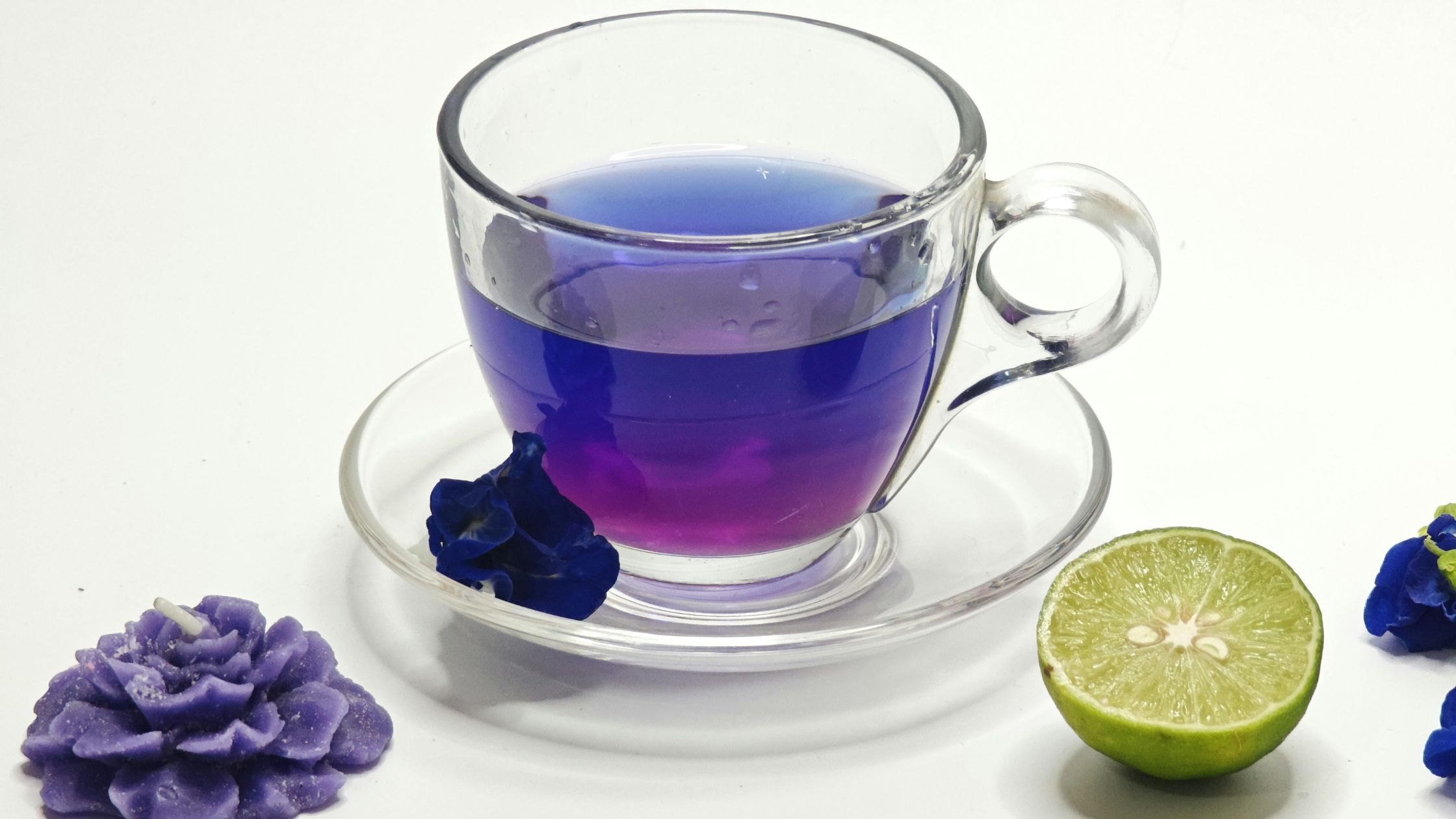
Aparajita tea is a calm, colourful drink that can quietly support everyday wellness when used in small, steady ways. It is simple to prepare, easy on the stomach and naturally free from caffeine when brewed on its own. With a little planning, aparajita tea can fit into morning, afternoon and evening routines without forcing big lifestyle changes.
What You Need to Know First
Aparajita tea is made by steeping the dried blue petals of the aparajita plant in hot water. These petals, often called aparajita flower, colour the drink a deep blue and give it a mild, earthy taste. Because the flavour is gentle, you can drink it plain or add lemon, honey or mint depending on your mood.
In English recipes, the same blossom is usually known as butterfly pea flower. Once dried and stored in a jar, a small pinch of petals is enough for one cup, which makes this tea practical for busy people. The simple ingredient list—just water and petals—keeps the drink clean and naturally low in calories.
Morning: A Light Start
One easy way to use aparajita tea every day is to begin with a light cup in the morning. After a glass of plain water, brew a mild cup to wake up your system gently. This brings warmth and hydration without loading the body with sugar or caffeine right away.
If you still enjoy your regular chai or coffee, you do not have to give it up. You can have aparajita tea first and then take a smaller portion of your usual drink. This approach softens the morning load on your stomach while letting you keep your familiar routine.
Afternoon: Smart Break Instead of Snacks
Afternoons are when many people reach for soft drinks, packaged juices or random snacks. Keeping some dried aparajita flower at your desk or in the kitchen helps you choose differently. Brewing a cup gives your hands and mind something to do while you step away from work for a few minutes.
The bright colour that comes from butterfly pea flower makes this cup feel like a treat, even though it is simple and light. Sipping slowly can reduce the urge to grab instant snacks just out of boredom. Over time, this habit can help you cut down on unnecessary calories and sugar.
Evening: Calm Drink Before Bed
Because aparajita tea has no natural caffeine, it is well suited for evening use. A warm cup after dinner can act as a gentle signal that the busy part of the day is over. Many people find that this small ritual helps them relax, digest more comfortably and avoid heavier desserts or sugary drinks at night.
You can keep the evening cup very simple—just petals and hot water—or add a squeeze of lemon for a slight tang. Try to avoid too much sweetener if your goal is lighter living and better sleep. The main aim is comfort, not heaviness.
Practical Tips for Daily Use
Start with one cup a day and see how it feels. Once that becomes natural, you can add a second cup in the afternoon or evening if you like. There is usually no need to drink large amounts; consistency matters more than quantity.
Store the dried petals from the aparajita plant in an airtight container away from moisture and direct sunlight. This keeps the colour and flavour fresh for longer. When you brew, use hot water that is just about to boil, and steep for a few minutes until you get the depth of colour and taste you prefer.
Keeping It Safe and Balanced
For most healthy adults, one or two cups of aparajita tea a day is a reasonable range. If you are pregnant, breastfeeding or managing a long‑term health condition, it is wise to speak with a healthcare professional before making any herbal tea a daily habit.
Used with this kind of care, aparajita tea becomes a steady helper in daily life—supporting hydration, offering calm breaks and gently replacing heavier drinks. Small, regular cups spread across the day are enough to let this simple blue tea play a meaningful role in your routine.


 Beaute Concept
 Derma One Aesthetic Clinic