Sheldon Serrano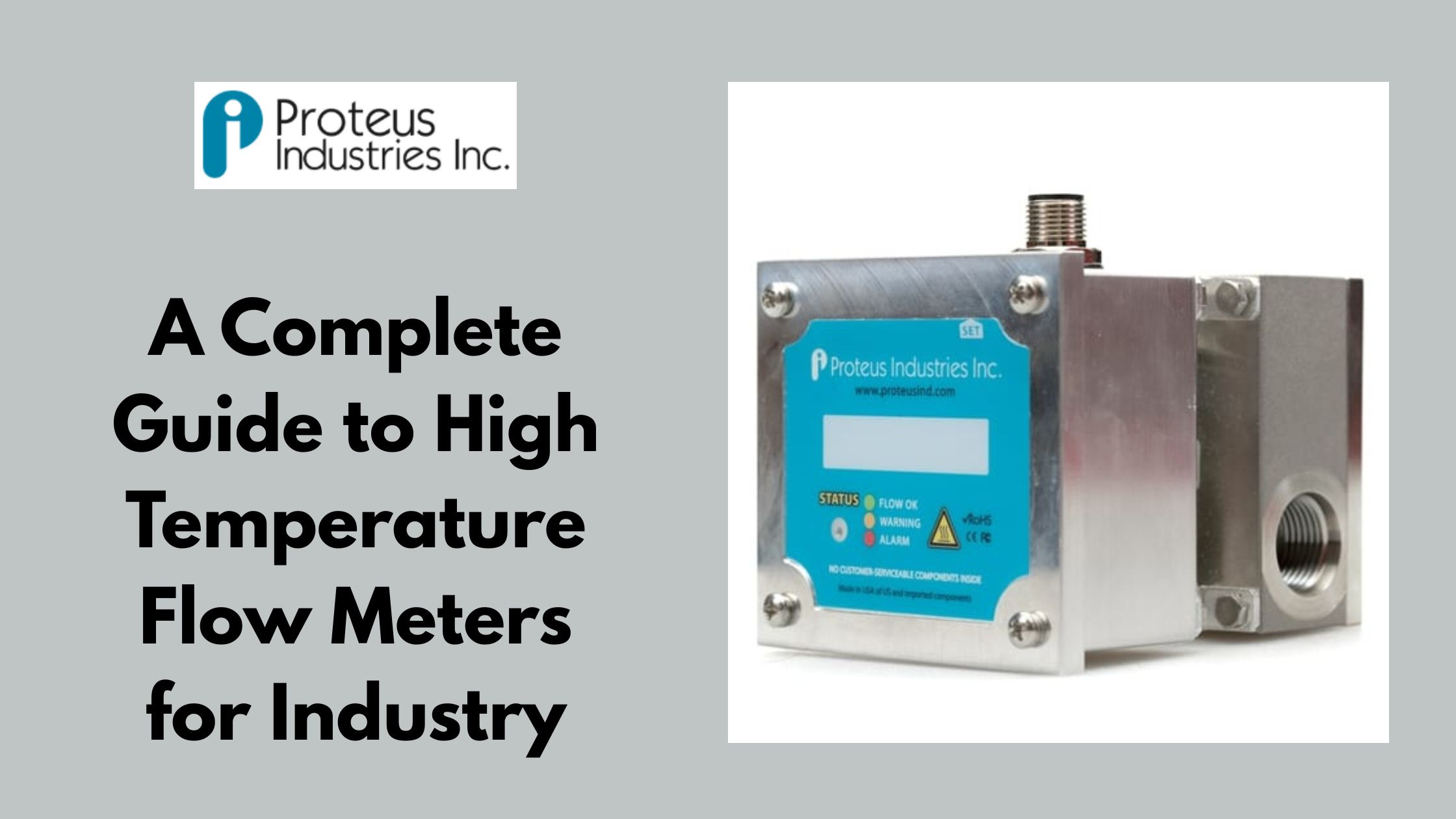
Accurate flow measurement is essential in industrial processes that operate under extreme heat. Industries such as power generation, chemical processing, oil & gas, and manufacturing rely on precise flow control to maintain safety, efficiency, and product quality. However, measuring flow at elevated temperatures poses unique challenges, including sensor degradation, changes in fluid properties, and equipment failure. This is where high temperature flow meters play a critical role. Designed specifically to withstand intense thermal conditions, these meters ensure reliable performance where standard flow meters fail. This guide explores what high temperature flow meters are, how they work, their types, applications, benefits, and how to select the right one for industrial needs.
What Are High Temperature Flow Meters?
High temperature flow meters are specialised instruments engineered to accurately measure the flow of liquids or gases in systems operating at elevated temperatures. Unlike standard meters, they are built with heat-resistant materials, thermally isolated electronics, and robust sensing technologies. These meters typically handle temperatures ranging from 200°C to well over 500°C, depending on design and application. High temperature flow meters are commonly used to measure fluids such as thermal oils, hot water, steam condensate, molten chemicals, and heated process liquids. Their ability to maintain accuracy and stability under extreme heat makes them indispensable in industrial environments.
Why High Temperature Flow Measurement Is Challenging?
Measuring flow at high temperatures is complex because heat significantly affects fluid behaviour and system components. As the temperature rises, the viscosity and density of liquids change, directly affecting flow characteristics. Thermal expansion of pipes and meter components can alter their internal dimensions, leading to measurement inaccuracies. Additionally, prolonged exposure to extreme heat can degrade sensors, seals, and electronic circuits. Without proper protection and compensation, standard flow meters may drift, fail, or produce unreliable data. Inaccurate readings can lead to overheating, inefficient energy use, equipment damage, and safety hazards, making reliable high temperature flow meters essential.
How High Temperature Flow Meters Work?
High temperature flow meters operate using proven flow measurement principles, adapted for extreme heat conditions. Depending on the meter type, they may measure velocity, displacement, or thermal transfer to determine flow rate. Heat-resistant sensing technologies ensure the sensor remains stable even at high temperatures. Temperature compensation plays a vital role by adjusting measurements to account for changes in fluid properties caused by temperature. Advanced calibration techniques help maintain accuracy across wide temperature ranges, ensuring consistent and repeatable readings under thermal stress.
Key Components of High Temperature Flow Meters
High temperature flow meters consist of several critical components designed for durability and performance. Heat-resistant sensors are built to withstand continuous exposure to extreme temperatures without losing sensitivity. Thermally isolated electronics protect sensitive circuits from heat damage and signal drift. High-temperature housings and seals prevent leakage and structural failure, even during thermal cycling. Signal processing and output systems ensure stable data transmission to control systems, enabling reliable monitoring and automation in demanding industrial environments.
Materials and Design for Extreme Heat
Material selection is crucial for high temperature flow meters. Stainless steel and high-temperature alloys are commonly used for strength, corrosion resistance, and thermal stability. Heat-resistant seals, gaskets, and insulation prevent leaks and protect internal components. Designs that accommodate thermal expansion and contraction reduce stress on meter components, improving longevity. Proper material and design choices ensure reliable performance even under continuous exposure to extreme heat and aggressive industrial environments.
Output Signals and System Integration
Modern high temperature flow meters support a wide range of output signals for seamless integration into industrial control systems. Common options include analogue outputs such as 4–20 mA and voltage signals, as well as digital and pulse outputs. These meters easily integrate with PLCs, SCADA systems, and process controllers. Signal stability is especially important in high-temperature environments, where electrical noise and thermal interference can affect data quality. Robust output design ensures consistent communication and reliable process control.
Industrial Applications of High Temperature Flow Meters
High temperature flow meters are widely used across multiple industries. In boilers and heat exchangers, they monitor hot water and thermal fluids. Chemical and petrochemical plants rely on them for accurate dosing and process control. Oil & gas refineries use them to measure heated fuels and process liquids. Power generation facilities depend on them for cooling and heat transfer systems. Semiconductor and advanced manufacturing industries also use these meters to maintain precise thermal management.
Benefits of Using High Temperature Flow Meters
Using high temperature flow meters offers numerous benefits. They enhance safety by preventing overheating and system failures. Accurate and repeatable measurements improve process control and product quality. Reduced downtime and maintenance costs result from their durable design and reliability. Most importantly, these meters provide long-term performance in harsh environments, making them a cost-effective solution for high-temperature industrial operations.
Installation Best Practices
Proper installation is critical for accurate flow measurement. High temperature flow meters should be mounted according to manufacturer guidelines, with correct orientation and adequate straight-run lengths. Allowances for thermal expansion should be included to prevent mechanical stress. Electrical connections must be properly shielded to avoid signal interference. Careful installation helps maximise accuracy, safety, and meter lifespan.
Maintenance and Calibration
Routine maintenance ensures consistent performance of high temperature flow meters. Regular inspections help detect wear, corrosion, or seal degradation. Cleaning prevents buildup that could affect measurements. Calibration should be performed at recommended intervals to maintain accuracy, especially in systems with fluctuating temperatures. Monitoring performance over time helps identify issues early and reduces unplanned downtime.
Common Mistakes to Avoid
Common mistakes include underestimating temperature extremes, selecting incompatible materials, and ignoring changes in fluid viscosity. Choosing a meter based solely on cost rather than performance often leads to failures and higher long-term expenses. Avoiding these errors ensures safe, accurate, and reliable flow measurement.
Conclusion
High temperature flow meters are essential tools for industries operating under extreme heat. Their ability to deliver accurate, stable, and reliable measurements ensures safety, efficiency, and process control. By understanding how they work, selecting the right type, and following proper installation and maintenance practices, industries can achieve long-term operational success. Investing in the right high temperature flow meters ultimately protects equipment, reduces costs, and improves overall system performance.


 TechRank Australia
 step hen