Walton Market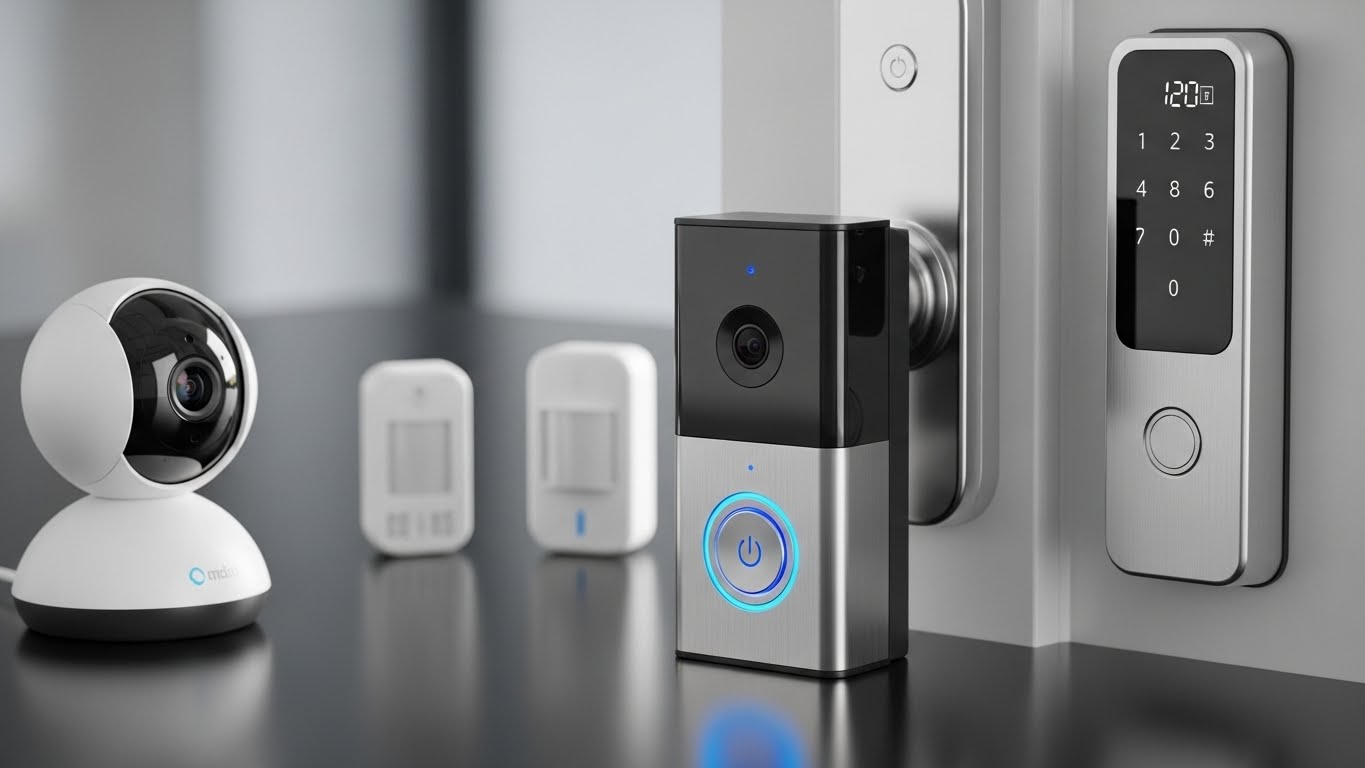
As homes become smarter, security is no longer limited to alarms and locks. Today’s smart security devices combine sensors, cameras, AI, and automation to protect homes proactively, not just reactively. A modern smart home security system doesn’t wait for something to go wrong—it detects patterns, alerts you in real time, and adapts to how you live.
This guide explains how smart home security devices work together, what makes them effective, and how to choose the right setup for a secure, future-ready home.
What Are Smart Security Devices?
Smart security devices are internet-connected tools designed to monitor, detect, and protect your home. Unlike traditional systems, they don’t operate in isolation. They communicate with each other, with your smartphone, and often with an integrated hub to form a unified smart home security system.
These devices typically include:
-
Smart security cameras
-
Smart sensors for doors, motion, and environment
-
Smart locks for controlled access
-
Integrated automation and alert systems
Together, they create an integrated smart security system that offers visibility, control, and peace of mind—whether you’re at home or away.
Smart Security Cameras: Seeing More Than Just Video
Modern smart security cameras are no longer passive recording tools. They are intelligent, responsive, and deeply integrated into the smart home ecosystem.
Indoor & Outdoor Smart Cameras
-
Smart indoor cameras monitor living spaces and entry points.
-
Smart outdoor cameras protect perimeters with weather-resistant design and wide-angle coverage.
-
Wireless security cameras simplify installation and placement.
AI-Powered Surveillance
AI-powered security cameras can distinguish between people, pets, and vehicles. This reduces false alerts and improves response accuracy. Features like motion-activated cameras, night vision security cameras, and two-way audio cameras make real-time interaction possible.
Storage Choices
Choosing between cloud storage vs local storage cameras affects privacy, cost, and reliability. Cloud-based systems offer easy access, while local storage enhances control and data ownership.
Smart Sensors: The Silent Guardians of Your Home
Cameras show what’s happening. Smart sensors detect what might happen next.
Core Smart Sensors for Home Security
-
Motion sensors and occupancy sensors detect movement patterns.
-
Door and window sensors alert you to unauthorized access.
-
Glass break sensors identify forced entry attempts.
-
Leak detectors, smoke sensors, and CO sensors protect against environmental risks.
-
Temperature and humidity sensors help prevent damage and maintain comfort.
These IoT security sensors work quietly in the background, triggering alerts and automations the moment something changes.
Smart Locks: Redefining Home Access Control
Smart locks for home security replace traditional keys with intelligent access management.
Types of Smart Door Locks
-
Keyless smart locks eliminate physical keys.
-
WiFi smart locks allow remote access and monitoring.
-
Bluetooth smart locks provide local control with low energy use.
-
Biometric smart locks use fingerprints for secure entry.
-
PIN code smart locks offer temporary access for guests or service staff.
Advanced smart lock access control systems can auto-lock doors, log entry history, and integrate with alarms and cameras for complete home access automation.
Integrated Smart Home Security Systems: Strength in Unity
The real power of smart security lies in integration. A whole-home security system connects cameras, sensors, locks, and alarms into a single ecosystem.
Unified vs Standalone Systems
A unified smart home security setup ensures devices communicate effectively. For example, a door sensor can trigger a camera recording, send a mobile alert, and lock internal doors automatically.
DIY vs Professional Monitoring
-
DIY smart security systems offer flexibility and cost control.
-
Professional smart home monitoring provides 24/7 oversight and emergency response.
Both approaches can benefit from AI home security automation, which learns routines and detects unusual behavior.
Security, Privacy, and Reliability in Smart Security Devices
Security devices must be secure themselves. Reliable systems include:
-
End-to-end encryption devices
-
Secure authentication and permissions
-
Regular firmware updates
-
Strong smart home network security
Concerns like “do smart cameras get hacked?” are valid—but risks are significantly reduced with proper configuration and trusted ecosystems.
Smart Home Security vs Traditional Security Systems
Traditional systems rely on fixed alarms and manual response. Home security smart devices offer:
-
Real-time alerts
-
Remote monitoring
-
Automation and AI detection
-
Scalability and customization
This makes smart systems more adaptable to modern lifestyles.
How to Choose the Right Smart Security Devices
The best setup depends on your home layout, lifestyle, and priorities. Beginners often start with essential security devices for smart homes, such as a smart lock, door sensors, and one camera—then expand into a multi-device security ecosystem over time.
The Future of Smart Home Security
Smart security is moving toward predictive protection. AI-driven systems will anticipate threats, integrate deeper with smart homes, and balance safety with privacy. The goal isn’t surveillance—it’s confidence and control.
Ready to build a secure smart home from the foundation up? Explore smart home devices in Pakistan designed for integrated, future-proof protection.
Final Thought
Smart security devices don’t just protect property; they protect routines, families, and peace of mind. When cameras, sensors, and locks work together, security becomes seamless rather than intrusive.


 TechRank Australia
 step hen