IFTAR MEAL
Ramadan Meal A Complete Guide to Healthy and Balanced Fasting
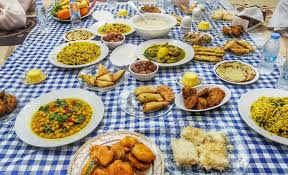
Ramadan is a sacred month that emphasizes patience, gratitude, and self-discipline. At the heart of daily fasting lies the importance of a well-planned Ramadan Meal, which supports both spiritual focus and physical well-being. Choosing the right foods and maintaining balance can make fasting easier and more rewarding.
A properly structured Ramadan Meal is not about indulgence but nourishment. It helps maintain energy levels, supports digestion, and prepares the body for long fasting hours. Understanding what to eat and how to plan meals can significantly improve the overall Ramadan experience.
Understanding the Importance of a Ramadan Meal
The significance of a Ramadan meal goes beyond simply breaking the fast. It plays a crucial role in restoring hydration, stabilizing blood sugar levels, and providing essential nutrients after a long day of fasting.
A balanced approach to meals during Ramadan helps prevent fatigue and overeating. When meals are thoughtfully prepared, fasting becomes healthier and more sustainable, allowing individuals to focus on prayer, reflection, and daily responsibilities.
Components of a Balanced Ramadan Meal
A well-balanced Ramadan meal includes carbohydrates, proteins, healthy fats, vitamins, and fluids. Each component serves a specific purpose, from providing energy to supporting muscle recovery and digestion.
Complex carbohydrates such as whole grains release energy slowly, while lean proteins help repair the body after fasting. Including vegetables and fruits ensures essential nutrients are replenished, making healthy Ramadan meals an essential part of daily fasting.
Suhoor: The Foundation of a Successful Fast
Suhoor is the pre-dawn meal that sets the tone for the day. Skipping it can lead to fatigue, dehydration, and low concentration. A nutritious suhoor helps sustain energy levels throughout fasting hours.
Ideal suhoor foods include oats, eggs, yogurt, fruits, and plenty of water. Avoiding salty and processed foods reduces thirst during the day, supporting a more comfortable fasting experience and reinforcing the importance of balanced suhoor meals.
Iftar Meal Planning for Energy and Digestion
Breaking the fast correctly is essential for digestive health. Starting with dates and water follows the Sunnah and gently prepares the body for food intake.
Key points for a healthy iftar meal include:
-
Begin with dates and water to restore glucose levels
-
Include light soups or salads before main dishes
-
Focus on moderate portions to avoid overeating
-
Limit fried and sugary foods
Thoughtful iftar meal planning ensures the body receives nourishment without discomfort.
Common Mistakes to Avoid in a Ramadan Meal
Many people unintentionally turn Ramadan meals into heavy feasts. Overeating, excessive fried foods, and sugary drinks can cause bloating, fatigue, and reduced energy during prayers.
Important points to avoid include:
-
Skipping suhoor entirely
-
Consuming too much fried or oily food
-
Ignoring hydration between iftar and suhoor
-
Relying heavily on processed snacks
Avoiding these habits helps maintain health and keeps the Ramadan fasting routine sustainable throughout the month.
The Role of Meal Services Like iftarmeal
For families, organizations, and donors, managing daily meal preparation can be challenging. Professional services like iftarmeal provide reliable and hygienic Ramadan meal solutions tailored to different needs.
By choosing iftarmeal, individuals and communities can ensure consistent quality, proper nutrition, and timely meal delivery. Such services are especially helpful for large gatherings, labor camps, and charitable distributions during Ramadan.
How a Proper Ramadan Meal Supports Spiritual Focus
Physical well-being directly affects spiritual engagement. When the body is nourished properly, it becomes easier to concentrate during prayers, recitation, and nightly worship.
A mindful approach to food promotes discipline and gratitude—core values of Ramadan. By prioritizing nutritious meals, individuals align their physical habits with the spiritual purpose of fasting.
Conclusion: Building Healthy Habits Through Ramadan Meals
A well-planned Ramadan Meal is essential for maintaining health, energy, and spiritual focus throughout the holy month. By understanding meal components, avoiding common mistakes, and focusing on balance, fasting becomes a fulfilling and sustainable practice.
Whether preparing meals at home or relying on trusted services, the goal remains the same: nourishment with purpose. Ramadan offers an opportunity to build lifelong healthy eating habits while strengthening faith, discipline, and compassion.


 Jason Roberts
 Albert Nathan