Lenvitz 71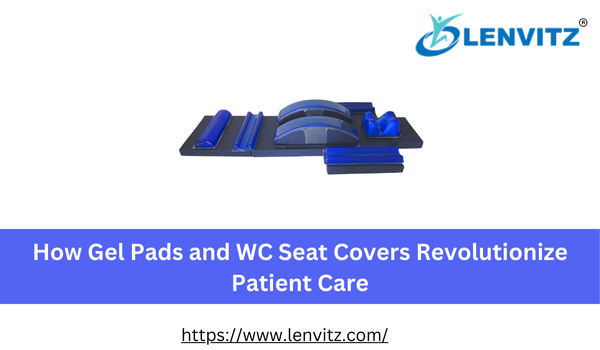
When we discuss medical innovation, we often focus on high-tech scanners or robotic surgery. However, the most profound impact on a patient’s daily recovery often comes from specialized comfort tools. From the intensive care unit to home rehabilitation, products like Patient Positioning Gel Pads, the specialized Heel Pad, and even a cushioned WC Seat Cover are essential for preventing long-term injury and ensuring dignity.
For healthcare providers and caregivers, understanding how these gel pads function is the first step toward superior patient outcomes.
1. The Science of Safety: Patient Positioning Gel Pads
During surgery or long-term bed rest, a patient’s body is subjected to constant, unrelieved pressure. Traditional foam mattresses often “bottom out,” leaving the patient’s skin and nerves vulnerable to the hard surface beneath.
Patient Positioning Gel Pads solve this by using viscoelastic technology. These pads:
- Redistribute Weight: They mimic the consistency of human tissue, spreading pressure evenly across the body.
- Prevent Nerve Injury: By cushioning the brachial plexus or ulnar nerves, they prevent post-operative numbness.
- Enhance Stability: Their non-slip surface ensures that the patient remains in the precise position required for medical procedures.
2. Targeted Protection: Why Every Patient Needs a Heel Pad
The heel is one of the most vulnerable “bony prominences” on the human body. With very little fat or muscle to protect the bone, even a few hours of immobility can lead to deep tissue damage or “bedsores.”
A specialized Heel Pad is designed to “offload” this pressure entirely. By cradling the Achilles and elevating the heel into a “floating” position, these gel pads ensure that blood circulation remains uninterrupted. For patients with diabetes or peripheral vascular disease, a Heel Pad isn’t just a comfort—it’s a critical tool to prevent severe complications like ulcers or infections.
3. Dignity and Hygiene: The Role of the WC Seat Cover
Hygiene and comfort should extend to every part of a patient’s routine, including the bathroom. In a hospital or care facility, a cold, hard toilet seat can be a source of both physical pain and bacterial risk.
A cushioned or medical-grade WC Seat Cover provides several benefits:
- Pressure Relief: For patients with limited mobility who may spend more time on the toilet, a padded WC Seat Cover prevents skin breakdown.
- Hygiene Barrier: It acts as a protective layer against pathogens in shared environments.
- Temperature Control: It eliminates the “thermal shock” of a cold seat, which is particularly important for elderly patients or those with sensitive skin.
4. Why Gel Technology is the Gold Standard
Whether it is a full-body mat or a small Heel Pad, gel pads outperform traditional materials in every category. Unlike foam, gel is:
- Fluid-Proof: It does not absorb body fluids, making it easy to disinfect.
- Radiolucent: It can remain under the patient during X-rays or MRIs without interfering with the image.
- Durable: Gel retains its shape and supportive properties for years, even with heavy use.
Conclusion: Small Adjustments, Major Recoveries
The path to healing is paved with details. By integrating Patient Positioning Gel Pads into the operating room and utilizing tools like the Heel Pad and WC Seat Cover in recovery wards, we can eliminate “preventable injuries.” These gel pads represent a commitment to patient-centered care, ensuring that every individual is treated with the maximum possible safety and comfort.


 Honest petco
 Malik Medical Center