Anthony Rill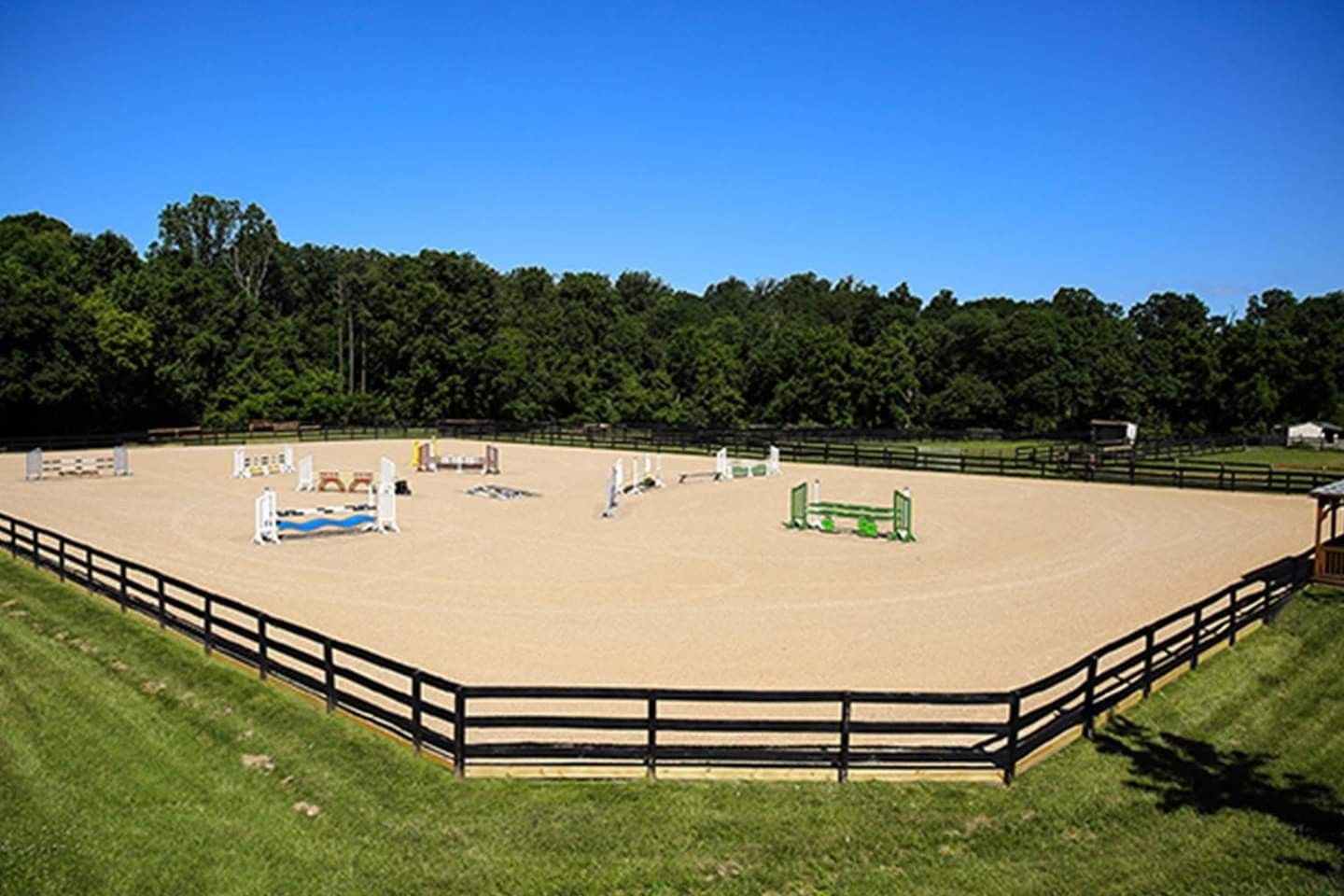

A safe, efficient riding space begins at the bottom. A sand arena for horses is much more than just a fence-lined riding area. It’s a meticulously designed surface that is able to support safety of the horse, rider confidence and consistent results from training. A poor footing could increase the chance of injury, result in unbalanced performance, and even result in expensive maintenance issues in the course of time. This is the reason why careful design of the arena and selection of materials is essential for owners of horses trainers, facility managers as well.
This article explains how an equestrian arena operates, the function of base materials and sand, and how intelligent design choices — from edging to drainage and edging–can contribute to the long-term success of your equestrian facility.
What Is an Equestrian Sand Arena?
A sand arena for horses is a surface for riding made of sand that is specially designed over a base that has been prepared. The objective is to make an even footing that is balanced between the traction, cushioning, as well as stability.
As opposed to natural dirt paddocks an appropriately constructed arena offers:
- Performance that is predictable regardless of the weather
- Reduction in stress of joints, tendons and muscles
- Improvements in drainage and longevity of surfaces
Sand is the main layer of the riding surface, but it will only be effective if it is supported by the proper construction of the base and regular maintenance.
Why Sand Selection Matters in an Equestrian Sand Arena
Traction and Hoof Stability
The correct sand will allow hooves to hold without sliding, while allowing controlled movement. A lot of traction can stress joints, and less traction can increase the risk of slip.
Shock Absorption and Comfort
Sand is an impact cushion, which absorbs the force. In an appropriately designed arena for equestrians, the cushioning can help reduce injuries to legs and hooves in competition and training.
Drainage and Moisture Control
Sand alone is not a guarantee of the drainage of water. The shape size, shape, and base underneath determine how much water flows across the surface.
Types of Sand Used in Equestrian Arenas
Washed Concrete Sand
This is among the most commonly used alternatives for an equestrian sand arena.
Benefits include:
- Clean, consistent grains
- Minimal dust
- Good compaction
It could also require the addition of additives to enhance the retention of moisture and cushioning.
Mason Sand and Fine Sands
Sands that are finer create an even surface, but they can be too compacted.
Possible drawbacks
- Reducing drainage
- More firmness
- Dust is more likely to cause problems if it’s not adequate watering
The sands need to be thoroughly examined prior to their they are used in an equestrian arena.
Angular vs Rounded Sand Grains
- The angular grains are more tightly interlocked, ensuring stability
- The grains that are round move more easily and could feel more substantial
The majority of arenas benefit from sand with a slight angularity that is able to balance flexibility and firmness.
Additives and Blends for Arena Performance
A lot of modern equestrian arena designs contain ingredients to improve performance.
Common Additives
- Blends of fibers to improve the stability of the blend and to help retain moisture.
- Rubber for cushioning
- Textile materials that reduce the movement of sand
If properly used When used properly, these blends prolong their life span and lower the need for regular maintenance.
Base Preparation: The Foundation of an Equestrian Sand Arena
A top-quality equestrian sand ring is dependent on the soil underneath the sand.
Base Layer Essentials
- Grading the slope correctly for slope and drainage
- Base of aggregate compacted
- Laser leveling for consistency
Rushing or skipping base preparation is among the main reasons for failure in the arena.
Drainage Systems
A good drainage system prevents water from pooling and causing damage to the surface.
There are many options to choose from:
- Subsurface drainage pipes
- Sloped or crown-shaped bases
- Perimeter drains
Good drainage shields the base and the sand from damage over time.
Perimeter Design and Arena Edging
Using Large Rocks for Landscaping Around Arenas
Although they are not an element of the riding surface, large rocks for landscaping elements play an important part in designing the arena.
Practical applications are:
- Defining arena boundaries
- Controlling erosion along edges
- Deterring surface material from migrating outward
Large rocks used for landscaping provide visual structure, assisting arenas blend in with the surrounding landscape.
Visual and Functional Benefits
Large rocks strategically placed to reduce maintenance are ideal for landscaping, keeping washout to a minimum and forming an edge that is durable and can withstand the elements and foot circulation.

Maintenance Requirements for Long-Term Performance
Even the top equestrian arenas require regular maintenance.
Grooming and Dragging
Routine grooming:
- Maintains even footing
- Helps prevent compaction in areas of high-use.
- Redistributes moisture
Frequency is dependent on the usage and the type of sand.
Watering Practices
Moisture helps sand particles stick to each other.
The best practices are:
- Watering is light and consistent.
- Avoiding over-saturation
- The schedules are adjusted seasonally.
Regular watering can prolong the lifespan of the equestrian Sand arena’s surface.
Monitoring Sand Depth
The majority of arenas work best when there is 2-4 inches of sand riding. The more depth you have, the more the risk of fatigue, whereas too little exposes the bottom.
Common Mistakes to Avoid
- Selecting sand on the basis of price by itself
- Inattention to grain shape and cleanliness
- Not preparing the base properly
- The arena is overloaded with additives
- Neglecting perimeter stabilization
Beware of these mistakes to protect your horses and investment in the long run.
Climate and Usage Considerations
Different conditions need different strategies to the design of equestrian arenas.
- Dry regions require dust control strategies
- The wet climate demands a the best drainage
- Arenas that are used for high-volume use require more durable blends
The design process that is based on specific local weather conditions will ensure an unbeatable performance all year round.
Installation Tips for Best Results
- Take a few sand samples to test before you commit
- Employ an experienced contractor
- Install sand into lifts of a specific measurement
- Then, groom and compact
The patience required during installation will lead to less issues later.
Long-Term Surface Longevity
A well-designed equestrian arena will last for a long time provided it is maintained properly. A careful selection of materials, regular maintenance, and intelligent ways to create perimeters, such as using large rocks to create landscaping–all help to ensure stability of the surface and accessibility.
Conclusion: Building a Safe and Durable Equestrian Sand Arena
A horse-friendly riding area requires meticulous planning, technical expertise and a keen eye for particulars. From choosing the appropriate ingredients and sand to creating an appropriate base for stable riding and managing drainage, each factor affects the the safety of your horse and its performance. A properly designed equestrian sand arena helps to improve the health of horses, enhances the quality of riding, and lessens the need for maintenance in the long term.
Combining high-quality sand with intelligent design choices, such as the use of large stones for landscaping around the arena’s perimeter–horse operators and owners can construct an arena that is able to perform consistently and is able to stand the test of time.

 Brij Vrinda
 Maxpine Group