jhones michal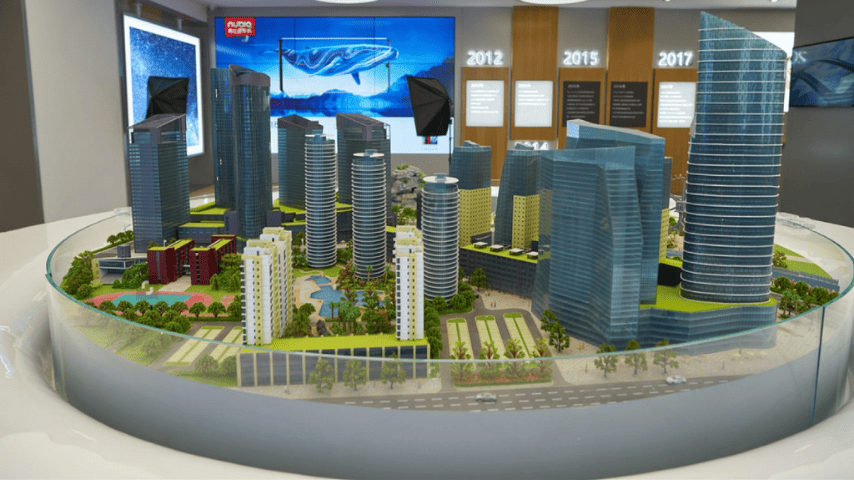
Dubai’s skyline is defined by tall buildings that combine residential, commercial, hospitality, and mixed-use functions within a single vertical form. High-rise projects often involve complex zoning requirements, strict authority guidelines, and diverse stakeholder expectations.
Scale models bring clarity to this complexity by translating layered drawings into a single, physical reference. When decision-makers can view a tower’s height, massing, and surrounding context at once, design intent becomes easier to understand and evaluate.
Improving Spatial Awareness and Proportion
One of the main challenges in high-rise design is communicating proportion. Floor plans and elevations alone can make towers feel abstract. Physical representations allow viewers to immediately grasp vertical scale, podium relationships, and setbacks.
Architectural scale models Dubai help audiences visually understand how a tall structure rises from the ground plane and interacts with nearby buildings, roads, and open spaces. This clear spatial reference reduces confusion during presentations and discussions.
Enhancing Communication With Investors and Clients
High-rise developments in Dubai often attract international investors who may not be familiar with local planning conditions. A three-dimensional model becomes a universal language that removes technical barriers.
Investors can easily interpret unit stacking, amenity placement, and overall building hierarchy. By using architectural scale models, presenters can clearly communicate value propositions without relying heavily on technical explanations or digital screens.
Supporting Authority Reviews and Approvals
Regulatory approvals are a critical stage in Dubai’s construction process. Planning authorities review factors such as height restrictions, visual impact, and urban harmony. Scale models provide reviewers with a realistic understanding of how a proposed tower fits within its surroundings. Shadows, sightlines, and street-level interactions become easier to assess. This clarity often leads to more productive feedback sessions and fewer design revisions.
Clarifying Podium and Tower Relationships
High-rise buildings in Dubai typically include a podium that houses parking, retail, or shared amenities. The relationship between podium and tower is essential to both aesthetics and functionality.
Physical models clearly show how the tower emerges from the base, how entrances are organized, and how pedestrian flow is managed. This level of clarity helps architects explain design decisions and refine transitions between public and private spaces.
Visualizing Facade Rhythm and Design Intent
Facade design plays a major role in defining a tower’s identity. Repetition, articulation, and material variation can be difficult to read from flat drawings. Scale representations allow stakeholders to see facade rhythm as a whole rather than as isolated details.
Architectural scale models make it easier to evaluate whether a facade appears too dense, too flat, or visually balanced when viewed from different angles.
Strengthening Design Discussions Among Project Teams
Large high-rise projects involve collaboration between architects, engineers, developers, and consultants. Physical models act as a shared reference point during coordination meetings. Instead of interpreting multiple drawings, teams can point to specific areas and discuss solutions in real time. This improves clarity during design development and reduces misunderstandings that may arise from technical documentation alone.
Demonstrating Contextual Integration
Dubai’s skyline is highly competitive, with towers often located close to one another. Understanding how a new high-rise fits into its immediate environment is essential. Models that include surrounding buildings, roads, and landmarks provide valuable context. They show how a tower contributes to the cityscape rather than standing as an isolated object. This contextual clarity supports stronger design narratives during presentations.
Highlighting Vertical Zoning and Mixed-Use Layouts
Many tall buildings in Dubai stack different functions vertically. Residential floors may sit above offices, with hospitality or observation decks at higher levels. Physical models clearly illustrate this vertical zoning. Color coding or subtle detailing can differentiate uses without overwhelming viewers. This approach helps non-technical audiences understand how space is organized throughout the building.
Improving Marketing and Sales Presentations
For developers, clarity directly affects sales performance. A well-crafted model allows potential buyers to visualize views, orientation, and unit positioning. Architectural scale models provide a tangible experience that digital renderings cannot fully replicate. Clients can walk around the model, ask questions, and develop confidence in the project. This transparency builds trust and strengthens buyer engagement.
Reducing Design Misinterpretation Risks
Misunderstandings during the design phase can lead to costly changes later. Scale models reduce this risk by offering a realistic preview of the final structure. Stakeholders can identify potential concerns early, such as visual bulk or awkward proportions. Clear physical representation supports informed decision-making and minimizes surprises during construction.
Conclusion
Scale models play a vital role in enhancing high-rise design clarity in Dubai. They simplify complexity, improve communication, and align diverse stakeholders around a shared vision. By translating ambitious vertical concepts into understandable physical form, they support better design outcomes and smoother project progression. In a city where architectural ambition is high, clarity through well-crafted models remains an essential part of successful high-rise development.


 paul walkers
 rasoi msterdam