Cash for Cars NSW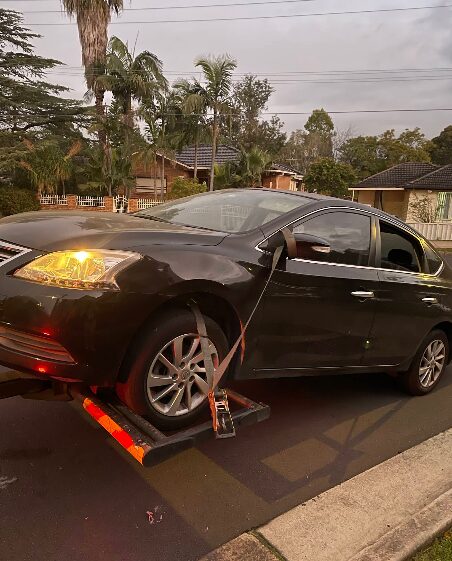
Selling a scrap car in Parramatta is a common situation for many vehicle owners. Cars reach a stage where repairs cost more than the car itself, or the vehicle fails registration checks. In these cases, keeping the car parked on the street or in the driveway only creates problems. Scrap cars also raise safety concerns and can affect the look of the area.
Cash for cars services in New South Wales follow a set process when dealing with scrap vehicles. This process is designed to follow legal rules, protect the seller, and make sure the car is handled the right way after collection. Understanding each step helps car owners know what to expect and how to prepare before selling a scrap car in Parramatta.
We explains the full process in clear language, from checking the condition of the scrap car to final payment and removal.
Visit: https://cashforcarsnsw.com.au/
What Is Considered a Scrap Car in NSW
A scrap car is a vehicle that no longer works or is no longer worth repairing. In New South Wales, scrap cars usually fall into one or more of the following categories:
- Cars with major engine or gearbox damage
- Vehicles written off after accidents
- Cars that fail roadworthy inspections
- Old cars left unused for many years
- Vehicles with rust damage that affects structure
- Flood-damaged cars
Even if a car cannot start or move, it still holds value due to its metal parts. Steel, aluminium, copper wiring, batteries, and catalytic converters are all materials that can be reused or recycled.
Legal Requirements Before Selling a Scrap Car in Parramatta
Before starting the selling process, NSW law requires certain checks and documents. These rules protect both the seller and the buyer.
Proof of Ownership
The seller must prove ownership of the vehicle. This usually includes:
-
NSW registration papers, if available
-
A valid photo ID matching the seller name
If the car is unregistered, proof of previous ownership is still required.
Vehicle Clearance
The car must not be stolen or under finance. Buyers usually check the Personal Property Securities Register to confirm this. If finance is still attached, it must be cleared before sale.
Number Plates
In most cases, number plates must be removed before the vehicle is collected. Plates should be returned to Service NSW if the car is no longer registered.
Assessing the Scrap Car Condition
The process begins with a basic assessment of the vehicle. This does not involve inspections like a roadworthy check. Instead, the buyer asks simple questions such as:
- Make and model
- Year of manufacture
- Condition of the engine
- Damage type, such as accident or rust
- Whether the car is complete or missing parts
This information helps estimate the scrap metal weight and parts value. Heavier vehicles usually contain more metal, which affects the amount offered.
Getting a Price Based on Scrap Value
Once the details are shared, the buyer calculates the scrap value. Scrap car pricing in Parramatta depends on several factors:
- Current metal market rates
- Vehicle weight
- Presence of valuable components
- Distance from the collection yard
Prices are usually higher for vehicles with intact catalytic converters, alloy wheels, and batteries. Older vehicles with stripped parts may receive a lower amount.
This stage sets a clear expectation for the seller before moving forward.
Booking a Vehicle Collection Time
After agreeing on the amount, a collection time is arranged. Scrap cars often cannot be driven, so towing is required. Collection is planned based on:
-
Seller availability
-
Location within Parramatta or nearby suburbs
-
Access conditions such as street parking or tight driveways
The seller is advised to remove personal items from the car before collection. This includes items in the boot, glove box, and under seats.
Responsible Scrap Car Removal in Parramatta
Parramatta is a busy area with residential streets and commercial zones. Scrap car removal must be handled carefully to avoid traffic issues or damage to nearby property. Licensed operators use equipment designed to load vehicles safely, even when cars are damaged or missing wheels.
Towing staff follow safety steps such as:
-
Securing loose parts
-
Preventing oil or fluid leaks
-
Using proper tie-down methods
This keeps the process orderly and prevents environmental harm during transport.
Environment Rules for Scrap Cars in NSW
New South Wales has strict environmental rules for vehicle recycling. Scrap cars must be processed in approved yards where materials are separated correctly.
Fluid Removal
Before dismantling, all fluids are drained, including:
- Engine oil
- Coolant
- Brake fluid
- Fuel
These fluids are treated or disposed of under NSW environmental standards.
Parts Recovery
Reusable parts are removed and sorted. Metals are crushed and sent for recycling. This reduces landfill waste and supports resource reuse.
A Local Service Example in Parramatta
During the scrap car selling process, many Parramatta residents look for services that understand local conditions and council rules. One such option is Cash for Car Parramatta, available through https://cashforcarsnsw.com.au/cash-for-cars-parramatta/. This service fits naturally into the NSW scrap car process by handling unwanted vehicles that no longer meet road standards. It aligns with local removal needs and ensures scrap cars are taken from residential and commercial areas without causing disruption. This approach helps vehicle owners deal with old cars while keeping Parramatta streets clear and organised.
Final Paperwork and Confirmation
At the time of collection, final checks are done. These include:
-
Confirming seller identity
-
Verifying vehicle details
-
Signing a disposal or sale receipt
This paperwork records the transfer of the vehicle. It is important for the seller to keep a copy for future reference.
Payment at Collection
Payment is made once the vehicle is loaded and paperwork is completed. Most buyers provide payment immediately after collection. This step finalises the process and confirms the sale.
The seller should confirm that the agreed amount matches what was discussed earlier. No additional steps are required after payment is made.
What Happens to Scrap Cars After Collection
Once removed from Parramatta, scrap cars are taken to authorised yards. The vehicle goes through several stages:
- Dismantling of usable parts
- Separation of metals
- Crushing of remaining shell
- Recycling of materials
Steel from scrap cars is often reused in construction and manufacturing. Aluminium and copper are also recycled for industrial use.
Why Scrap Car Selling Matters in Parramatta
Leaving scrap cars unused causes issues such as:
-
Street congestion
-
Council notices
-
Safety hazards
-
Environmental risks
Selling scrap cars supports cleaner streets and better land use. It also allows materials from old vehicles to be reused rather than wasted.
Final Thoughts on the NSW Scrap Car Process
The cash for cars process for scrap cars in Parramatta follows a clear path. It starts with assessing the vehicle, moves through pricing and collection, and ends with legal disposal and recycling. Each step follows NSW rules and environmental standards.
Understanding this process helps car owners act with confidence. Scrap cars may no longer serve a driving purpose, but they still play a role in recycling and material reuse across New South Wales.
By knowing what to expect, Parramatta residents can manage scrap vehicles in a responsible and informed way.


 amelia lily
 Alfre Noe