Rohit Verma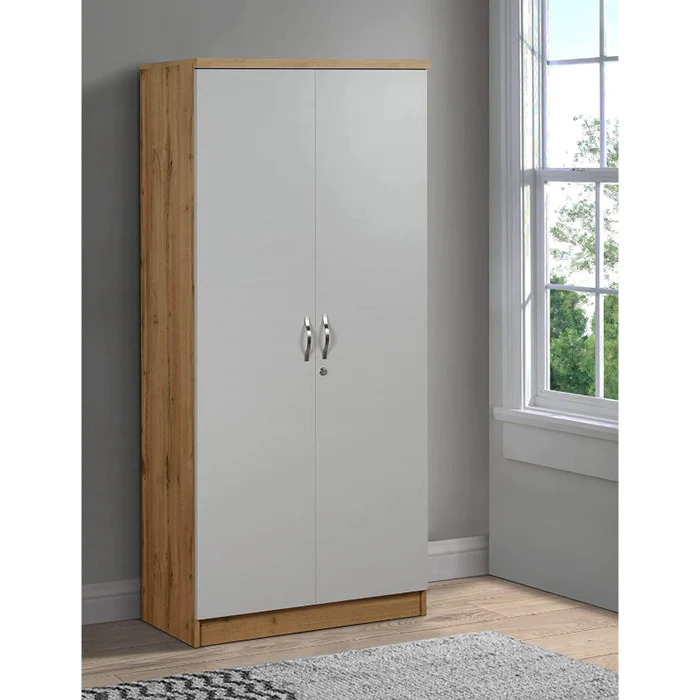
A wardrobe is more than just a piece of furniture. It plays a key role in keeping your bedroom organized, clutter-free, and visually appealing. Choosing the right wardrobe based on your storage needs ensures that every item—from daily wear to special occasion outfits—has its own place. With many styles, sizes, and internal layouts available today, selecting the perfect wardrobe can feel overwhelming. This guide will help you make a smart and practical choice by focusing on what truly matters: your storage requirements.
Understand Your Storage Requirements First
Before choosing a wardrobe, take time to evaluate what you need to store. Different households have different storage demands, and understanding yours is the first step toward making the right decision.
Start by listing the types of items you plan to keep inside the wardrobe. These may include:
- Daily clothes such as shirts, trousers, and dresses
- Seasonal clothing like winter wear or festive outfits
- Accessories such as belts, scarves, and handbags
- Footwear, if you prefer storing shoes inside the wardrobe
- Bedding items like blankets and extra pillows
Once you identify your storage needs, it becomes easier to decide the size and internal layout of the wardrobe.
Choose the Right Wardrobe Size
Wardrobe size directly affects how efficiently you can store your belongings. A wardrobe that is too small will feel cramped, while an oversized wardrobe may occupy unnecessary space.
For individuals or couples with limited clothing, a two-door wardrobe is often sufficient. Families or people with extensive wardrobes usually benefit from three-door or four-door wardrobes. Always measure your bedroom space carefully, including ceiling height and wall width, before finalizing the size.
It is also important to consider future needs. If your wardrobe is expected to grow over time, selecting a slightly larger wardrobe can save you from replacing it later.
Select the Ideal Internal Layout
The internal structure of a wardrobe is just as important as its external design. A well-organized internal layout allows easy access and keeps your belongings neatly arranged.
Hanging Space
Hanging sections are ideal for clothes that wrinkle easily, such as shirts, dresses, suits, and jackets. If you wear formal clothing frequently, ensure your wardrobe has sufficient hanging space. Some wardrobes offer both long and short hanging sections, which provide better flexibility.
Shelves
Shelves are perfect for folded clothes, jeans, t-shirts, and knitwear. Adjustable shelves are a smart choice, as they allow you to customize the space based on your needs. Deeper shelves work well for bedding and larger items.
Drawers
Drawers are excellent for storing innerwear, socks, ties, and accessories. They help keep smaller items organized and easy to find. Soft-close drawers add convenience and prevent wear over time.
Lofts and Top Storage
Lofts are useful for storing items that are not used daily, such as suitcases, extra blankets, or seasonal clothes. If your bedroom has enough height, a wardrobe with a top storage section can significantly increase storage capacity.
Consider Your Lifestyle and Daily Usage
Your lifestyle should guide your wardrobe choice. For example, working professionals may need more hanging space for formal wear, while families may require additional shelves and drawers for shared storage.
If you change outfits frequently or prefer easy access to your clothes, an openable wardrobe with wide doors may be more practical. For compact bedrooms, sliding door wardrobes help save floor space and provide a clean, modern look.
Think about how often you access certain items. Daily-use clothing should be stored at eye level, while rarely used items can be placed on higher shelves.
Decide on the Right Door Type
The type of wardrobe doors you choose can affect both storage and room layout.
Hinged Door Wardrobes: These wardrobes offer full access to the interior and are ideal for spacious rooms. They also allow for mirrors or hooks to be installed on the inside of the doors, adding extra functionality.
Sliding Door Wardrobes: Sliding doors are perfect for smaller bedrooms, as they do not require extra space to open. They provide a sleek appearance and are often used in modern homes. However, only one section can be accessed at a time.
Choose the door type based on room size, convenience, and personal preference.
Material and Durability Matter
The material of the wardrobe affects its durability, appearance, and maintenance. Wooden wardrobes are popular for their strength and timeless appeal. Engineered wood options offer a balance of affordability and durability, making them suitable for everyday use.
When choosing a wardrobe, ensure the material can support the weight of your stored items. Strong shelves and sturdy hanging rods are essential for long-term use.
Focus on Organization Accessories
Modern wardrobes often come with additional accessories that enhance storage efficiency. These include:
- Pull-out trays for accessories
- Tie and belt holders
- Jewelry organizers
- Shoe racks
While not mandatory, these features can greatly improve organization, especially if you have many small items.
Match the Wardrobe with Your Bedroom Space
A wardrobe should complement the size and layout of your bedroom. In small bedrooms, tall wardrobes with vertical storage make better use of space. In larger bedrooms, wider wardrobes with multiple sections provide better organization.
Also, consider the placement of windows, doors, and beds to ensure the wardrobe does not obstruct movement or natural light.
Plan for Easy Maintenance
A wardrobe should be easy to clean and maintain. Smooth surfaces are easier to wipe, while darker finishes may require more frequent cleaning. Proper ventilation inside the wardrobe helps prevent moisture buildup and keeps clothes fresh.
If you live in a humid area, choosing a wardrobe with moisture-resistant material or adding ventilation gaps can help protect your belongings.
Think Long-Term Before Buying
A wardrobe is a long-term investment. Instead of choosing based only on appearance, focus on functionality and storage capacity. A well-designed wardrobe adapts to changing needs and continues to provide value for years.
Before making a purchase, review the internal layout, check build quality, and ensure it aligns with your current and future storage requirements.
Conclusion
Choosing a wardrobe based on your storage needs is about balancing space, functionality, and lifestyle. By understanding what you need to store, selecting the right size, and paying attention to internal layout and organization features, you can create a wardrobe that keeps your bedroom tidy and efficient. A thoughtfully chosen wardrobe not only enhances storage but also improves daily convenience, making your living space more comfortable and organized.


 lisa soft
 Henry West