john smith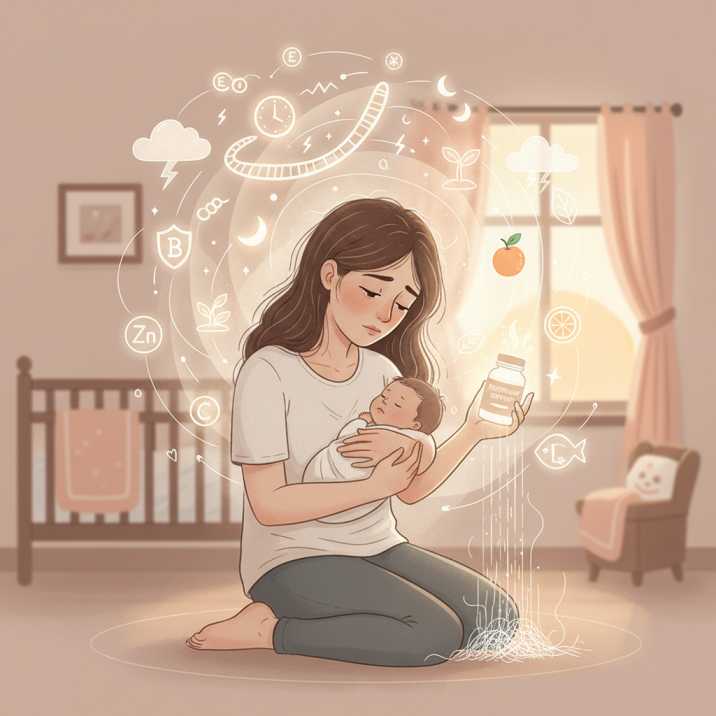
The postpartum period is one of the most transformative phases of a woman’s life. While it brings immense joy and new experiences, it also comes with its share of challenges, including physical changes that can be difficult to manage.
One of the most common issues new mothers face is postpartum hair loss. Although it’s a temporary condition, it can be distressing. Thankfully, postpartum hair loss vitamins and proper nutrition can play a significant role in managing hair loss and helping to restore strength and vitality to your hair.
Understanding Postpartum Hair Loss
Postpartum hair loss, also known as telogen effluvium, is a condition that affects many women after childbirth. During pregnancy, high hormone levels, particularly estrogen, promote hair growth and reduce hair shedding.
This leads to thicker, fuller hair during pregnancy. However, after childbirth, hormone levels drop rapidly, especially estrogen, which causes many hair follicles to enter the resting phase (telogen) and eventually shed.
This shift in the hair cycle can result in noticeable hair thinning, typically occurring between three to six months after delivery. While it can be distressing, it’s important to remember that postpartum hair loss is temporary, and with the right approach, hair growth will generally return to normal within a few months to a year.
The Impact of Nutrient Deficiencies
Postpartum hair loss is not solely caused by hormonal changes. A significant factor contributing to the condition is the physical stress of childbirth, coupled with nutrient deficiencies that can occur during pregnancy and postpartum. During pregnancy, a woman’s body works overtime to support the developing baby, leading to an increased need for essential vitamins and minerals.
After childbirth, many women are left feeling drained and fatigued, often due to the demands of caring for a newborn and, in some cases, insufficient self-care. This can lead to inadequate intake of vital nutrients that are crucial for hair health, including vitamins A, B, C, D, E, biotin, and zinc. Without these essential nutrients, the body struggles to support hair regrowth, further contributing to postpartum hair thinning.
Key Vitamins for Postpartum Hair Health
- Biotin – Often referred to as the “hair growth vitamin,” biotin plays a vital role in strengthening hair and promoting healthy growth. Biotin supports the production of keratin, the protein that makes up the majority of your hair, skin, and nails. Biotin deficiencies are commonly linked to hair thinning, so ensuring you get enough of it during the postpartum period can aid in faster hair recovery.
- Vitamin D – Vitamin D is essential for the growth and maintenance of hair follicles. During the postpartum period, many women experience a decrease in vitamin D levels due to factors like limited sunlight exposure or a lack of adequate dietary intake. Studies have shown that a deficiency in vitamin D can exacerbate hair thinning. Supplementing with vitamin D can help restore healthy hair growth and prevent further shedding.
- Vitamin B12 – Vitamin B12 plays a key role in red blood cell production and helps oxygenate the hair follicles, promoting healthy hair growth. A lack of B12 can result in hair loss or thinning, and it’s especially important to replenish B12 levels after childbirth to support overall hair health.
- Iron – An iron deficiency, common in the postpartum period due to blood loss during delivery, can contribute to hair thinning and loss. Iron is critical for transporting oxygen to hair follicles and ensuring proper hair growth. Women with low iron levels may experience slower regrowth or increased shedding. Iron supplements or iron-rich foods such as leafy greens, lean meats, and legumes can help restore iron levels.
- Vitamin C – Vitamin C is an essential antioxidant that helps repair hair follicles and promote the production of collagen, which is vital for healthy hair. Collagen strengthens the hair strands and improves overall hair structure, preventing breakage. Vitamin C also aids in the absorption of iron, which is crucial for postnatal recovery.
- Zinc – Zinc is vital for cell division and tissue growth, and it plays a crucial role in the health of the hair follicles. Zinc deficiencies can lead to hair loss, poor hair regrowth, and brittle hair. Zinc is also beneficial for maintaining a healthy scalp, promoting better blood circulation to the hair follicles.
- Vitamin E – Vitamin E is a potent antioxidant that protects the hair and scalp from oxidative stress, which can damage hair follicles and contribute to hair loss. It also helps improve blood circulation to the scalp, promoting healthier hair growth.
How to Rebuild Strength and Promote Hair Regrowth
While vitamins play a crucial role in restoring postpartum hair health, it’s equally important to approach recovery with a holistic mindset. Here are some additional tips for rebuilding hair strength:
- Balanced Diet – A balanced diet rich in essential nutrients will support hair health. Focus on eating nutrient-dense foods such as fruits, vegetables, whole grains, lean proteins, and healthy fats to provide your body with the vitamins and minerals it needs to nourish your hair follicles.
- Stay Hydrated – Proper hydration is essential for overall health and well-being, including hair health. Drinking enough water ensures that nutrients reach the hair follicles and supports healthy hair growth.
- Gentle Hair Care – Postpartum hair can be fragile, so it’s important to handle it gently. Avoid tight hairstyles, excessive heat, or harsh chemicals that can damage the hair. Use sulfate-free shampoos and conditioners to keep your hair moisturized and reduce breakage.
- Stress Management – Stress can exacerbate hair loss, so managing stress levels is important for hair recovery. Practice relaxation techniques such as deep breathing, meditation, or yoga to help manage stress during the postpartum period.
- Consult a Healthcare Provider – If postpartum hair loss is particularly severe or persists beyond a year, it’s advisable to consult a healthcare provider. They can check for any underlying health conditions that might be contributing to excessive hair loss and provide guidance on treatments, such as topical solutions or supplements.
The Role of Postpartum Hair Loss Vitamins
Postpartum hair loss vitamins can be an effective tool to support hair regrowth and combat thinning. By targeting specific nutrient deficiencies, these vitamins provide the necessary support for the body to restore healthy hair growth. Many postpartum hair loss supplements combine biotin, vitamin D, vitamin B12, iron, zinc, and other essential nutrients to address these deficiencies and support overall hair health.
In addition to supplements, incorporating vitamin-rich foods into your diet can further enhance the effects. By nourishing your body with the right nutrients, you give your hair the best chance to recover and grow stronger.
Conclusion
Postpartum hair loss is a common but temporary condition that many women face after childbirth. The hormonal changes, physical stress, and nutritional demands of pregnancy can lead to thinning hair and excessive shedding. However, with the right approach, including adequate vitamins and nutrients, it’s possible to rebuild hair strength and encourage regrowth.
Vitamins such as biotin, vitamin D, vitamin B12, iron, zinc, and vitamin E are essential for restoring hair health and vitality during the postpartum period. By addressing nutrient deficiencies, managing stress, and following a healthy diet, you can support your body’s natural healing process and reduce the impact of postpartum hair loss. While the journey to healthy hair may take time, with the right care and support, your hair can return to its full, vibrant state.

 breast surgery
 Jons makal