Samuel King
Are you a citizen of Senegal planning a trip to the “Land of Wonders”? Whether you are traveling to explore the unique landscapes of Lake Assal or attending a high-stakes business meeting in Djibouti City, understanding the visa process is your first step. Since 2018, the Djiboutian government has streamlined entry for international travelers, including those from Senegal, through a digital system.
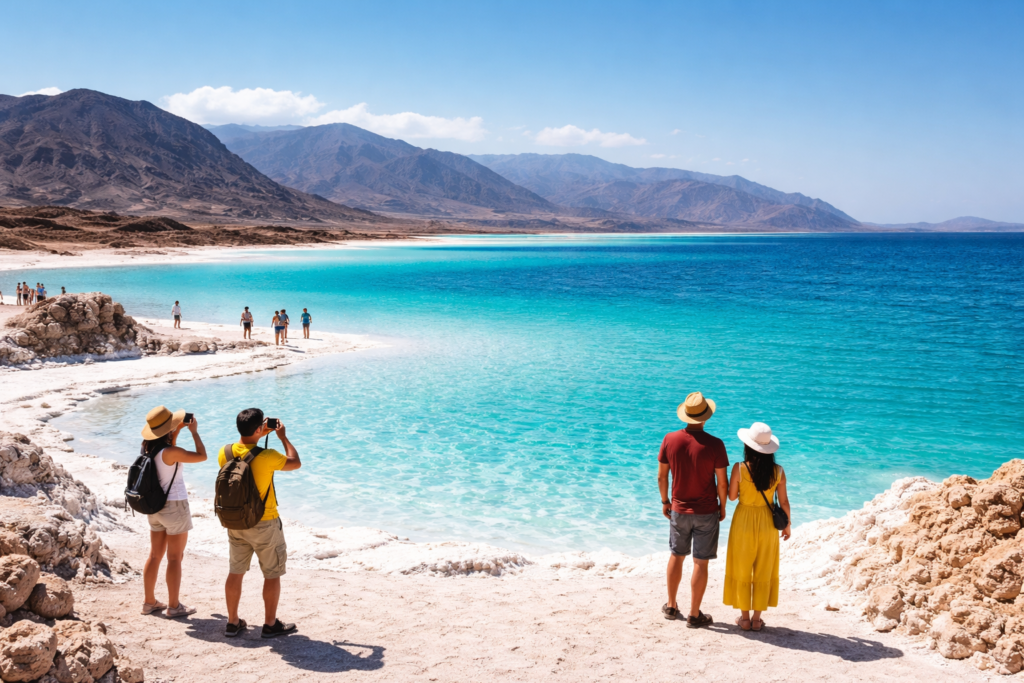
In this guide, we break down everything you need to know about the Djibouti eVisa for Senegal Citizens . From the different visa types and required documents to essential safety tips and business etiquette, this post ensures you are fully prepared for a smooth and successful journey to Djibouti.
What Are the Different Types of Djibouti eVisa Available?
When applying from Senegal, you must select the visa category that best matches your travel intent. The digital system categorizes these to ensure the right security protocols are met.
- Transit eVisa:The Transit eVisa is specifically designed for travelers passing through Djibouti on their way to a third destination. If your layover at Ambouli International Airport is short and you don’t plan to leave the airport, you might not need one. However, if you wish to step out and see the city for a few days, this 14-day visa is mandatory.
- Tourism Visa:For Senegalese adventurers looking to explore the volcanic landscapes, the Tourism Visa is the standard choice. It allows for a stay of up to 30 days, giving you ample time to visit the Ghoubbet-el-Kharab or dive with whale sharks.
- Family/Social Visit Visa:If you have relatives or friends residing in Djibouti, the Family/Social Visit Visa is the appropriate path. This visa also grants a 30-day stay and usually requires an invitation letter from your host in the country.
- Business Visa Work:For entrepreneurs and corporate professionals from Dakar or Thiès, the Business Visa facilitates meetings, conferences, and site visits. Similar to the tourist visa, it permits a 30-day stay but requires documentation relating to your professional engagement.
What Documents Are Required for the Djibouti eVisa?
To ensure a 0% rejection rate, Senegalese applicants must have their digital files ready before starting the application.
- Passport Bio Page: A clear, scanned copy of the main page of your Senegalese passport. Ensure your passport is valid for at least six months from the date of arrival.
- Applicant Photo: A recent, passport-sized color photograph with a white background. No glasses or headwear (unless for religious reasons) should be worn.
- Flight Ticket or Reservation: Proof of your intended entry and exit. A confirmed round-trip ticket is often preferred.
- Hotel Booking or Invitation Letter: You must prove where you will stay. If staying with a host, a signed invitation letter with their ID/Passport copy is necessary.
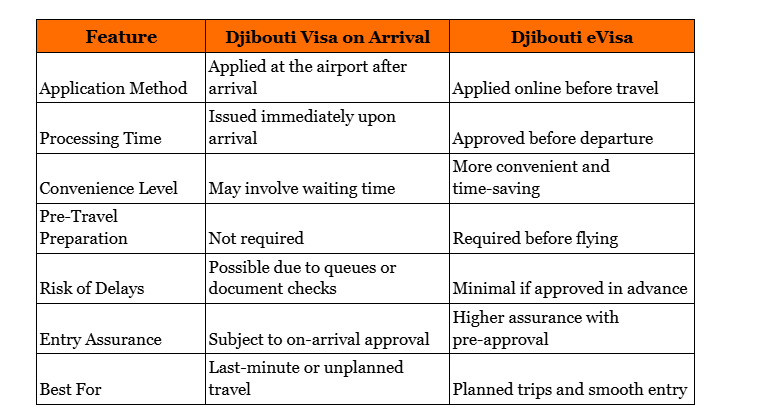
What is the difference between Djibouti Visa on Arrival and eVisa?
Travelers visiting Djibouti can choose between Visa on Arrival and eVisa, depending on their nationality and travel plans. While both options allow legal entry into the country, they differ in application process, convenience, and preparation level. Understanding these differences helps travelers select the most suitable option before departure.
How Long Does Processing Take for Senegalese Applicants?
Depending on how quickly you need your travel authorization, you can choose from three main processing speeds:
- Standard Processing (4–7 Days): The most cost-effective option for those planning well in advance.
- Rush Processing (3–5 Days): A middle-ground option for travelers who need their visa within a week.
- Super Rush Processing (2–4 Days): The fastest service available for urgent travel needs or last-minute business trips.
How to Apply for the Djibouti eVisa Step-by-Step?
The application process is entirely digital, making it easy to apply for Djibouti eVisa from anywhere.
- Fill the Form: Enter your personal details, passport info, and travel dates on the official portal.
- Upload Files: Attach the scanned bio page, your photo, and your accommodation/flight proofs.
- Pay the Fee: Use a valid credit or debit card to pay the processing and government fees.
- Receive via Email: Once approved, your eVisa will be sent to your email as a PDF.
- Print and Carry: You must print a hard copy of the eVisa to present to immigration officers upon arrival.
What Happens if You Overstay Your Djibouti Visa?
Overstaying any visa is a serious immigration offense. In Djibouti, the consequences can include:
- Daily Fines: Financial penalties that accumulate for every day you stay past your limit.
- Detention: In some cases, you may be held by immigration authorities until your departure is arranged.
- Future Bans: You may be blacklisted from entering the country for several years. Always check your visa’s expiry date and apply for an extension at the immigration office in Djibouti City if necessary.
What Is the Current Djibouti Visa Policy?
The Djibouti Visa Policy is the regulatory framework established by the Djiboutian Ministry of Interior that governs the entry, stay, and departure of foreign nationals. It aims to balance national security with the promotion of tourism and international trade.
For citizens of Senegal, the policy is defined by the following key points:
- Digital Transformation: Since 2018, the “eVisa” has become the primary method for Senegalese citizens to obtain entry authorization for tourism or business, effectively replacing the traditional visa-on-arrival for most travelers.
- Purpose Restriction: All short-stay visas (Transit, Tourism, Business) are strictly for non-remunerated activities. Engaging in local employment or long-term residence requires a separate Work Permit and Residence Card.
- Reciprocity and Security: While Senegal is eligible for the convenient eVisa system, all applicants are still subject to security screenings. A valid passport (6 months minimum) and a Yellow Fever vaccination certificate are mandatory entry requirements.
- Single Entry Standard: Most standard eVisas issued under the current policy are valid for a single entry only. Travelers intending to leave and re-enter must re-apply for a new authorization.
What Is the Business Culture Like in Djibouti?
Djibouti’s business culture reflects a mix of African, Arab, and French influences, shaped by its strategic location as a major trade and logistics hub in the Horn of Africa. Understanding local customs and professional expectations is important for building successful business relationships.

Key Points About Business Culture in Djibouti:
- Relationship-Focused: Personal trust and long-term relationships are highly valued before finalizing business deals.
- Respect and Formality: Politeness, respectful greetings, and professional titles are important in meetings.
- Time Perception: While schedules matter, meetings may start later than planned, so patience is appreciated.
- Language Use: French is widely used in business, along with Arabic; English is growing in importance.
- Decision-Making Style: Decisions may take time, often involving senior management or family members.
- Negotiation Approach: Negotiations are calm and indirect, with an emphasis on mutual benefit rather than pressure.
- Business Etiquette: Conservative dress and courteous behavior help create a positive impression.
What Should You Know About Nightlife and Entertainment in Djibouti City?
Nightlife and entertainment in Djibouti City are more relaxed and culturally influenced compared to major global nightlife hubs. While the scene is modest, visitors can still enjoy unique social experiences that reflect the city’s coastal charm and multicultural atmosphere.
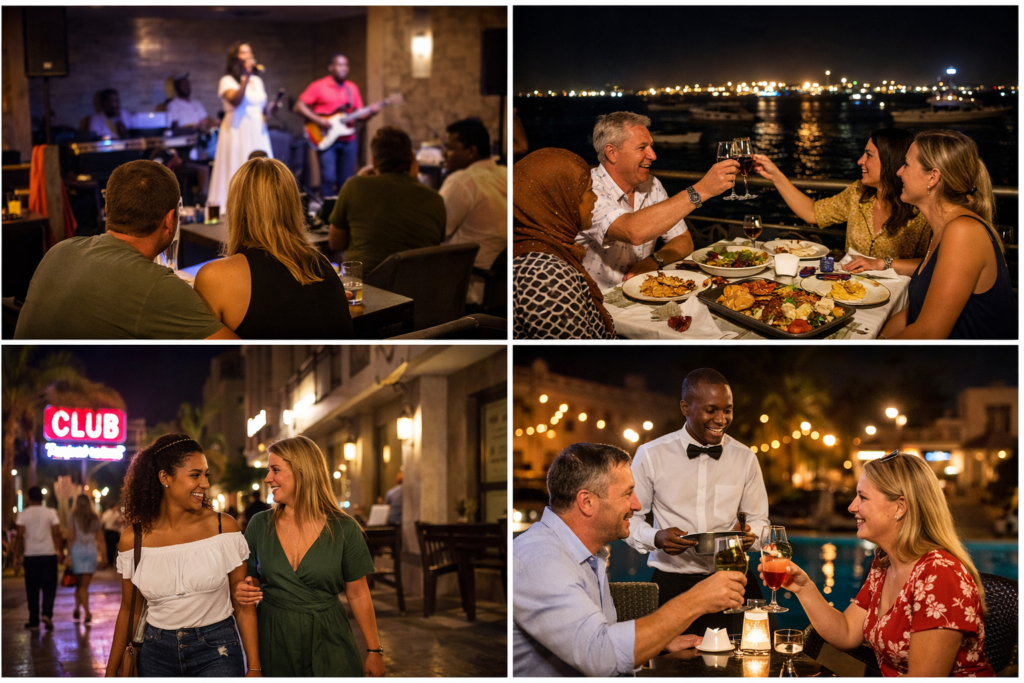
Key Points to Know About Nightlife in Djibouti City:
- Low-Key and Social: Entertainment focuses on casual socializing rather than loud clubbing.
- Hotels as Nightlife Hubs: Most bars, lounges, and live music venues are located in international hotels.
- Cultural Sensitivity: Djibouti follows conservative customs, so respectful behavior and dress are important.
- Live Music and Cafés: Some venues offer live bands, DJ nights, or traditional music in the evenings.
- Seafood Dining: Nighttime entertainment often includes late dinners featuring fresh seafood along the coast.
- Alcohol Availability: Alcohol is available in licensed venues, mainly hotels and select restaurants.
- Safety: Djibouti City is generally safe at night, but it’s best to stay in well-lit, populated areas.
What Are the Health and Vaccination Entry Requirements?
Travelers applying for a Djibouti eVisa must meet certain health and vaccination requirements to ensure safe entry into the country. These rules help protect both visitors and residents from infectious diseases, especially given Djibouti’s tropical climate and regional health risks.
Key Points for Health and Vaccination Requirements:
- Yellow Fever Vaccination: Required for travelers arriving from countries with risk of yellow fever transmission. A valid yellow fever certificate must be presented at entry.
- COVID-19 Regulations: While most restrictions have eased, travelers should check for any current requirements, such as vaccination proof or testing mandates.
- Other Recommended Vaccinations: It is advisable to be up-to-date on routine vaccines like Hepatitis A, Hepatitis B, Typhoid, Tetanus, and Polio.
- Health Precautions: Travelers are advised to take preventive measures against malaria, including prophylactic medication and mosquito protection.
- Medical Insurance: While not always mandatory, having travel health insurance covering medical emergencies is strongly recommended.
Where Are the Main Entry and Exit Points for the Djibouti Border?
Djibouti, strategically located in the Horn of Africa, serves as a key gateway for travelers and trade. Understanding the main entry and exit points is essential for a smooth journey, especially for those applying for a Djibouti eVisa.
Key Points About Djibouti’s Border Entry and Exit Points:
- Djibouti–Ambouli International Airport (JIB): The main international airport, handling the majority of air arrivals and departures. eVisa holders can enter here.
- Port of Djibouti: A crucial maritime entry for cargo and cruise passengers; also accessible for travelers with proper documentation.
- Land Borders:
- Ethiopia (Galafi/Dikhil): Major land crossing for travelers entering from Ethiopia.
- Somalia (Ali Sabieh): Used for regional travel and trade.
- Eritrea (Tadjoura region): Less frequently used, primarily for local or official travel.
- Land Borders:
- Visa Checks: All border points require valid travel documents, and eVisa approval must be presented upon arrival.
- Security Measures: Travelers should expect standard customs and immigration checks; carrying identification and eVisa confirmation is essential.
When Is the Best Time to Visit Djibouti?
The weather in Djibouti is divided into two main seasons:
- Cool Season (November to April): This is the peak tourist season. Temperatures are pleasant, ranging from 20°C to 30°C. This is the best time for hiking and outdoor exploration.
- Hot Season (May to October): Temperatures can soar above 40°C. Humidity is high, and the “Khamsin” wind can bring dust storms. Only visit during this time if you plan to stay in air-conditioned environments.
What Are the Top Safety Tips for Traveling in Djibouti?
Traveling to Djibouti offers unique experiences with its coastal beauty, deserts, and cultural richness. While the country is generally safe for visitors, being aware of local conditions and taking precautions ensures a smooth and worry-free trip.
Key Safety Tips for Travelers in Djibouti:
- Stay Informed About Local Conditions: Keep updated on news, weather alerts, and any travel advisories before and during your trip.
- Avoid Risky Areas: Certain remote or border regions may have security concerns. Stick to well-populated cities and tourist spots.
- Travel in Groups When Possible: Solo travel is feasible but traveling with companions enhances safety, especially in less crowded areas.
- Secure Your Belongings: Petty theft can occur in crowded places, so always watch your valuables and use hotel safes.
- Respect Local Laws and Customs: Djibouti is culturally conservative; dress modestly and follow local customs to avoid conflicts.
- Use Reputable Transport: Rely on licensed taxis, official transport, or hotel-arranged transfers to ensure safety on the road.
- Stay Healthy: Drink bottled water, follow food safety guidelines, and carry basic medical supplies for minor illnesses.
Conclusion:
Djibouti is a land of dramatic contrasts, offering everything from futuristic infrastructure to prehistoric landscapes. For citizens of Senegal, the eVisa has removed the biggest hurdle to visiting this East African gem. By preparing your documents in advance, respecting the local business and social cultures, and timing your visit to avoid the extreme heat, you are set for a truly unique experience.Ready to start your application? Gather your passport and photo, choose your processing speed, and get ready to discover the heart of the Horn of Africa!


 Ryan Luke