philip combs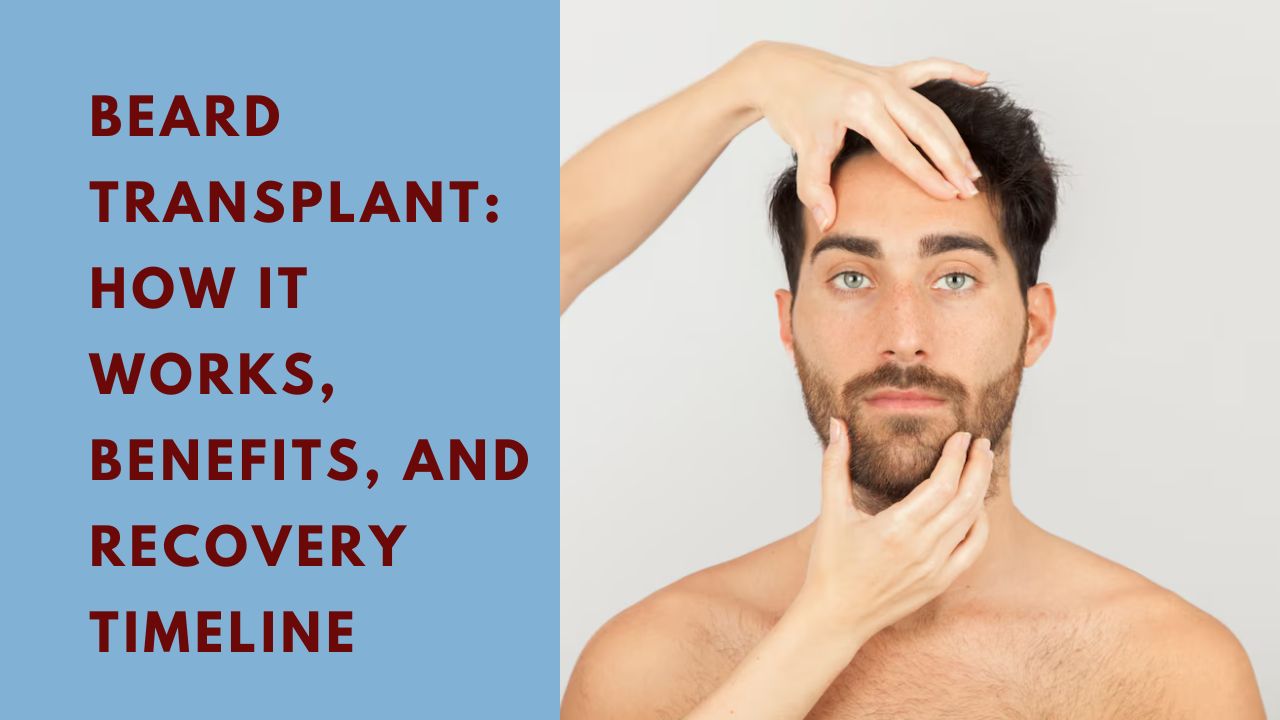
Facial hair has long been associated with confidence, maturity, and personal style. For many men, a well-defined beard is not just a trend but a form of self-expression. However, uneven growth, patchy areas, scars, or genetics can make it difficult to complete the desired look naturally. This is where modern medical solutions step in. A beard transplant has become an increasingly discussed option for individuals seeking fuller, more consistent facial hair. Rather than relying on temporary fixes or grooming tricks, this procedure offers a long-term approach rooted in science and precision. Understanding how it works, what benefits it provides, and how the recovery process unfolds can help set realistic expectations. With the right knowledge, people can make informed decisions without pressure or exaggerated promises, focusing instead on facts, process, and outcomes.
What Is a Beard Transplant?
A beard transplant is a cosmetic process that relocates healthy hair follicles from one part of the body, usually the scalp, to areas of the face where beard growth is thin or absent. The process is meticulous and customized, taking into account facial structure, hair direction, and natural growth patterns. Unlike topical treatments or supplements, the transplanted hair grows naturally once it settles into the new area.
The idea behind the procedure is simple: if hair can grow well in one area, it can often grow just as well when carefully placed elsewhere. Over time, advancements in technique have made the results appear increasingly natural, blending seamlessly with existing facial hair.
How the Procedure Works Step by Step
Before undergoing a beard transplant, a consultation is typically conducted to assess hair quality, donor area strength, and desired beard shape. Once the plan is established, the procedure begins with gathering hair follicles from the donor area. These follicles are then prepared under magnification to ensure they remain healthy.
Next comes the implantation stage, where each follicle is placed individually into the beard region. Attention is paid to angle and density so that the final appearance aligns with natural beard growth. The process can take several hours, depending on the number of grafts required, but it is usually completed in a single session.
Benefits Beyond Appearance
The most obvious advantage of a beard transplant is visual improvement, but the benefits often go deeper. Many individuals report increased self-confidence once they can grow and style their beard as desired. For those with scars from injuries or surgeries, transplanted hair can help camouflage affected areas, restoring a sense of normalcy.
Another benefit is permanence. Since the transplanted follicles come from areas resistant to hair loss, the results tend to last. Unlike temporary solutions, this procedure does not require ongoing treatments once healing is complete.
Who Is an Ideal Candidate?
Not everyone seeking fuller facial hair is automatically suited for a beard transplant. Ideal candidates generally have sufficient donor hair, good overall health, and realistic expectations. It is also important that facial hair loss is stable, meaning it is not actively progressing due to underlying medical conditions.
Age is less of a factor than hair quality and skin health. A proper evaluation ensures that the procedure is both secure and effective, reducing the likelihood of complications or unsatisfactory results.
Recovery Timeline and What to Expect
Recovery after a beard transplant is typically straightforward, though patience is essential. In the first few days, mild redness and swelling may appear around the treated area. Small scabs form where follicles were implanted and usually drop off within 1 to 2 weeks.
During the first month, it is common for the transplanted hairs to shed. This can be alarming, but it is a normal phase. New growth usually begins after three to four months and gradually becomes thicker over time. By the end of nine to twelve months, most individuals can see the full results and groom their beard as they like.
Natural Results and Long-Term Care
One of the most common concerns about a beard transplant is whether it will look natural. When performed with attention to detail, the transplanted hair grows just like natural beard hair. It can be trimmed, shaved, or styled without restriction.
Long-term care is minimal. Keeping good skin hygiene and a healthy lifestyle supports optimal growth. Occasional follow-ups help ensure everything progresses as expected, but daily routines remain unchanged.
Choosing an Experienced Clinic
The success of a beard transplant largely depends on the expertise of the professionals performing it. Clinics with a strong background in hair restoration tend to prioritize natural aesthetics and patient education. For example, Beverly Hills Hair Restoration is often cited for its emphasis on precision and individualized planning rather than exaggerated claims.
Conclusion
Deciding to undergo a beard transplant is a personal choice that blends aesthetics with self-confidence. By understanding how the procedure works, what benefits it offers, and how recovery unfolds, individuals can approach the decision with clarity rather than uncertainty. The journey does not end after the procedure; it continues as new hair grows and blends naturally over time. With realistic expectations and proper guidance, the results can feel less like a cosmetic change and more like a restoration of something that always felt missing. Knowledge, patience, and expert care play the most important roles in achieving a natural-looking, long-lasting beard that aligns with personal style and confidence.


 Right At Home East bay
 poster camel