Jons makal
Getting clearly defined abs is one of the most common fitness goals, yet it’s also one of the most misunderstood. Many people believe endless crunches are the answer, but science tells a different story. Learning How to Get 6 Pack Abs requires a smart mix of training, nutrition, recovery, and consistency. In this guide, we’ll break down the proven steps that actually work, so you can build visible abs in a realistic and sustainable way.
Understanding What Six-Pack Abs Really Are
Before diving into workouts and diets, it’s important to understand what you’re trying to build. Six-pack abs refer to the visible segments of the rectus abdominis muscle. Everyone has these muscles, but they’re often hidden under a layer of body fat.
Genetics play a role in how your abs are shaped and how easily they show, but they don’t decide everything. Body fat percentage, muscle development, and lifestyle habits matter far more. If your body fat is too high, your abs won’t be visible no matter how strong they are. That’s why learning How to Get 6 Pack Abs starts with both muscle building and fat loss.
The Role of Nutrition in Revealing Abs
Nutrition is the foundation of visible abs. You can train hard every day, but without proper eating habits, results will be limited. A calorie-controlled diet helps reduce body fat while preserving muscle.
Focus on whole foods such as lean proteins, vegetables, fruits, whole grains, and healthy fats. Protein is especially important because it supports muscle repair and helps you feel full longer. Avoid relying on crash diets, as they often lead to muscle loss and rebound weight gain.
In the broader context of Health and wellness, balanced nutrition supports not just aesthetics but energy levels, digestion, and long-term fitness success.
Training Your Core the Right Way


Direct ab training is still essential, but it needs to be done correctly. Instead of doing hundreds of sit-ups, focus on exercises that challenge the core through stability and controlled movement.
Effective ab exercises include planks, hanging leg raises, ab wheel rollouts, and bicycle crunches. These movements engage multiple core muscles and build real strength. Train your abs two to four times per week, allowing recovery between sessions.
Progressive overload matters here too. Gradually increase difficulty by adding resistance, extending time under tension, or using more advanced variations. This approach is a key part of How to Get 6 Pack Abs without wasting effort.
Why Full-Body Strength Training Matters
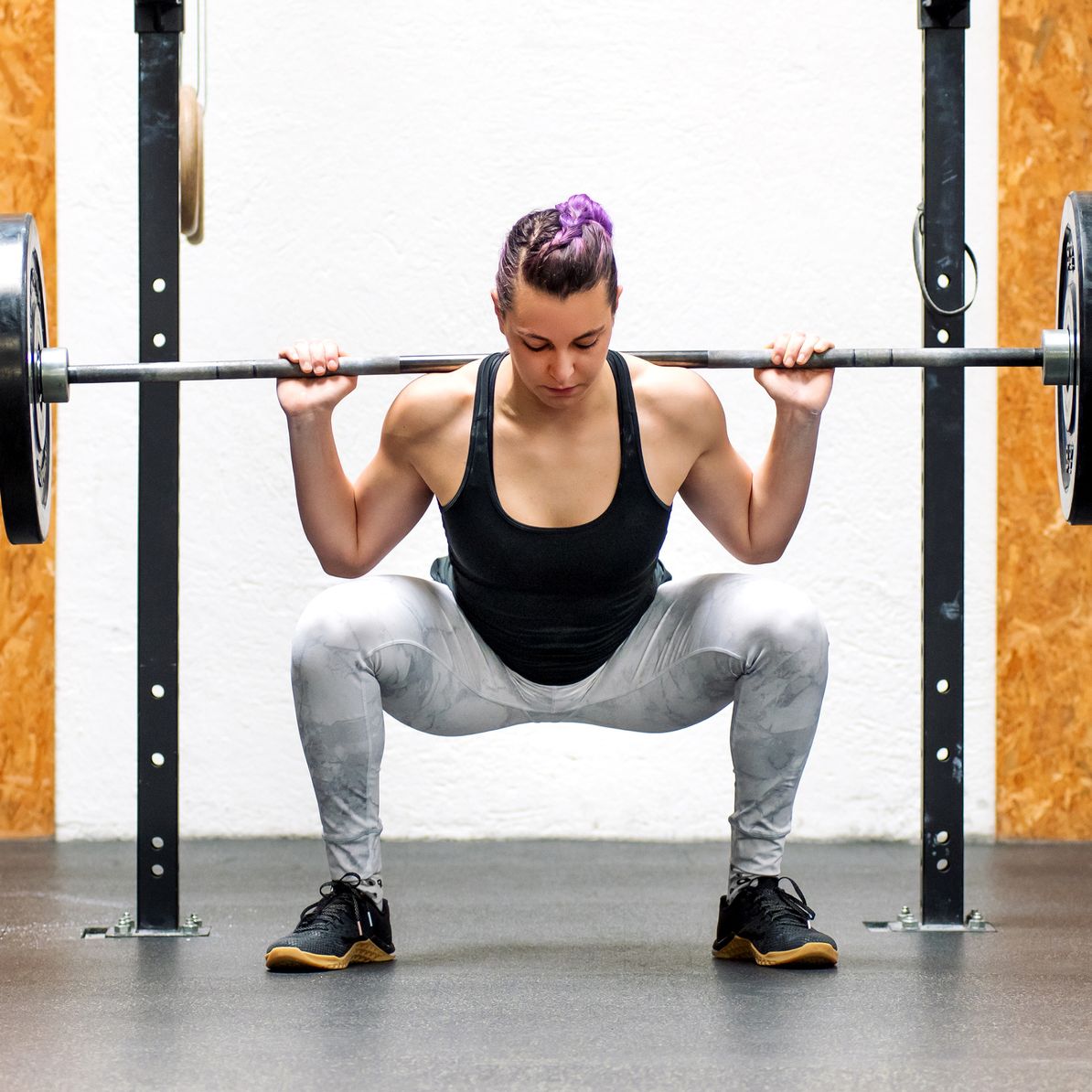


Six-pack abs aren’t built in isolation. Compound strength exercises such as squats, deadlifts, pull-ups, and overhead presses engage the core heavily while working large muscle groups. These movements burn more calories and stimulate hormone responses that support fat loss and muscle growth.
Including full-body strength training three to four times per week helps create the metabolic environment needed for visible abs. Stronger muscles overall also improve posture and core stability, making your abs appear more defined.
If you want to master How to Get 6 Pack Abs, think beyond ab-specific workouts and train your entire body with purpose.
The Importance of Cardio for Fat Loss
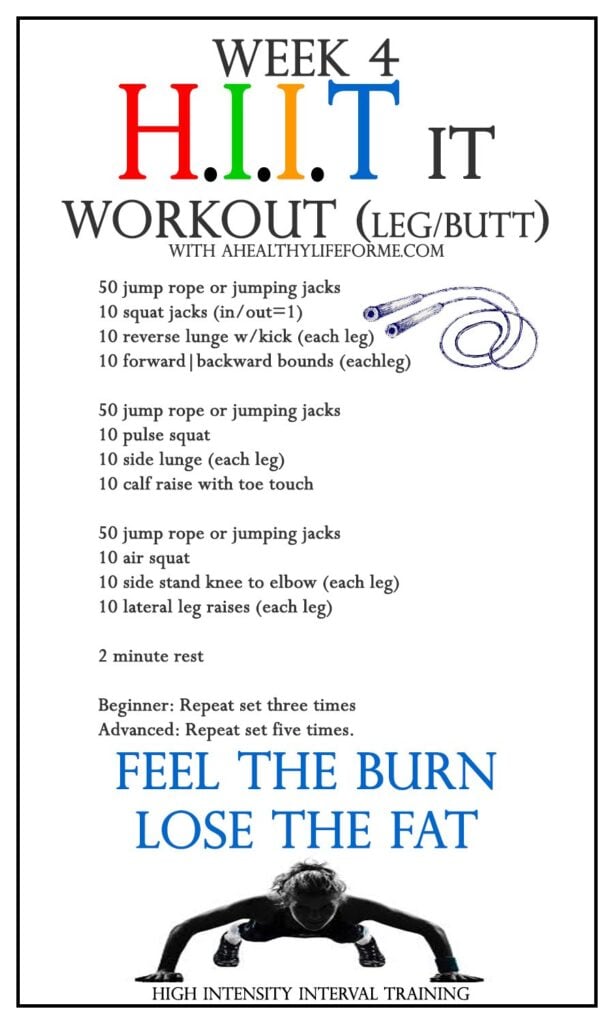


Cardio plays a supporting role in revealing abs by helping reduce overall body fat. Both steady-state cardio and high-intensity interval training (HIIT) can be effective.
HIIT is time-efficient and helps preserve muscle while burning calories. Steady-state cardio, like brisk walking or cycling, can be easier to maintain long-term. The best option is the one you can stick to consistently.
Aim for two to five cardio sessions per week depending on your goals and current fitness level. When combined with proper nutrition and strength training, cardio accelerates progress toward How to Get 6 Pack Abs.
Recovery, Sleep, and Hormonal Balance
Many people overlook recovery, yet it’s essential for muscle growth and fat loss. Poor sleep disrupts hormones that control hunger and stress, making it harder to lose fat.
Aim for seven to nine hours of quality sleep each night. Manage stress through activities like stretching, walking, or deep breathing. Overtraining without proper recovery can slow progress and increase injury risk.
Your abs are muscles like any other, and they need time to repair and grow. Respecting recovery is a crucial but often ignored step in How to Get 6 Pack Abs.
Consistency, Patience, and Realistic Timelines
Visible abs don’t appear overnight. Depending on your starting point, it can take several weeks or even months to see clear definition. This doesn’t mean your plan isn’t working.
Track progress using photos, measurements, and how your clothes fit rather than relying only on the scale. Small, consistent improvements add up over time. Avoid comparing yourself to others, as genetics and lifestyles differ.
Staying patient and committed is often the deciding factor in achieving How to Get 6 Pack Abs and maintaining them long term.
Common Mistakes That Hold People Back
Many people sabotage their progress without realizing it. Common mistakes include skipping meals, doing only ab exercises, relying on supplements, or constantly changing routines.
Another big issue is underestimating calorie intake. Even healthy foods can slow fat loss if eaten in excess. Alcohol, sugary drinks, and frequent “cheat meals” can also delay results.
By avoiding these pitfalls and sticking to proven principles, you greatly increase your chances of success with How to Get 6 Pack Abs in a healthy and sustainable way.
Final Thoughts
Building visible abs is not about shortcuts or extreme methods. It’s about understanding your body, training intelligently, eating well, and staying consistent. When you focus on smart habits instead of quick fixes, results follow naturally.
If you commit to these science-backed steps, you won’t just learn How to Get 6 Pack Abs, you’ll also build a stronger, healthier body you can maintain for years to come


 Priya Rajput
 healthtips adot