Jons makal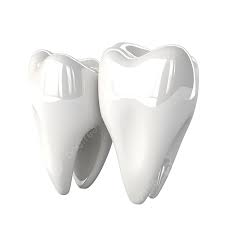
Dental health is often overlooked until a problem becomes painful or noticeable. One of the most common yet subtle issues is a cavity between teeth. Also known as interproximal cavities, these can be challenging to detect in the early stages. Identifying them promptly is crucial to prevent further damage, discomfort, and expensive treatments. This article will guide you through the symptoms, causes, preventive measures, and professional approaches to managing cavities between teeth.
Understanding a Cavity Between Teeth
A cavity between teeth forms in the small gaps where two teeth touch. These areas are harder to clean, making them more prone to plaque buildup and decay. Unlike cavities on the front or chewing surfaces of teeth, interproximal cavities may remain hidden until they cause significant damage.
Early detection of these cavities is essential because untreated decay can lead to tooth sensitivity, pain, or even tooth loss. Regular monitoring and proper hygiene practices are your first line of defense.
Causes of Cavities Between Teeth
Several factors contribute to the development of a cavity between teeth:
-
Poor Oral Hygiene – Inadequate brushing and flossing allow food particles and plaque to accumulate in the small gaps between teeth.
-
Sugary and Acidic Foods – Frequent consumption of sugar-rich foods or acidic drinks can accelerate enamel erosion.
-
Tightly Spaced Teeth – People with minimal spacing between teeth are at higher risk because plaque removal is more difficult.
-
Dry Mouth – Reduced saliva production limits the natural washing away of bacteria, creating an ideal environment for decay.
Understanding these causes can help you take targeted steps to prevent interproximal cavities.
Early Symptoms to Watch For
Detecting a cavity between teeth early can be tricky, but there are signs to look out for:
-
Mild tooth sensitivity to hot, cold, or sweet foods
-
Slight discoloration in the area where teeth touch
-
Occasional pain or discomfort while chewing
-
Food getting stuck between teeth frequently
If you notice any of these symptoms, it is important to consult your dentist promptly. Early intervention can save your tooth from extensive damage.
The Role of Dental Care in Prevention
Proper Dental Care is crucial in preventing cavities between teeth. Brushing alone often isn’t enough to clean the tight spaces where decay can develop. Flossing and using interdental brushes are essential practices.
Additionally, professional dental care, including routine check-ups and cleanings, ensures early detection. Dentists can use X-rays to spot cavities that are invisible to the naked eye. Investing time in preventive care today reduces the need for complex procedures in the future.
Effective Home Remedies and Practices
While professional care is important, daily habits at home significantly reduce the risk of a cavity between teeth.
-
Floss Daily – Flossing removes trapped food and plaque from between teeth.
-
Use Fluoride Toothpaste – Fluoride strengthens enamel, making teeth more resistant to decay.
-
Rinse with Antibacterial Mouthwash – Helps kill bacteria that brushing misses.
-
Limit Sugary Snacks – Reducing sugar intake decreases the chance of decay formation.
-
Chew Sugar-Free Gum – Stimulates saliva flow, which naturally cleans teeth.
Implementing these habits consistently can dramatically reduce cavity formation in tight spaces.
The Importance of Regular Dental Checkups
Regular dental visits are essential to catch a cavity between teeth early. Dentists can:
-
Perform professional cleanings to remove hardened plaque
-
Use X-rays to identify hidden decay
-
Recommend sealants or other preventive treatments
-
Provide guidance tailored to your oral health needs
Visiting your dentist at least twice a year ensures that interproximal cavities are caught before they escalate.
Treatment Options for Cavities Between Teeth
If a cavity is detected, treatment depends on its severity:
-
Dental Fillings – Commonly used for early-stage cavities to restore tooth integrity.
-
Crowns – Necessary if the decay is extensive and compromises tooth strength.
-
Root Canal Therapy – Required when decay reaches the inner pulp of the tooth.
-
Fluoride Treatments – Applied by dentists to strengthen enamel in early decay stages.
Prompt treatment minimizes discomfort, prevents infection, and preserves the natural tooth structure.
Tips for Long-Term Prevention
Preventing a cavity between teeth is easier than treating one. Key strategies include:
-
Maintain Consistent Oral Hygiene – Brush twice daily and floss at least once.
-
Eat a Balanced Diet – Include foods rich in calcium and vitamins to strengthen teeth.
-
Stay Hydrated – Water helps wash away food particles and bacteria.
-
Regular Dental Checkups – Essential for early detection and professional cleaning.
-
Consider Dental Sealants – Ask your dentist if sealants are suitable for protecting tight spaces.
By integrating these practices into your lifestyle, you can safeguard your teeth from interproximal cavities and maintain optimal oral health.
Conclusion
A cavity between teeth can develop silently, often going unnoticed until it causes pain or significant damage. Early identification, proper Dental Care, and preventive habits are key to protecting your smile. Regular dental visits combined with diligent home care create the best defense against interproximal cavities. Remember, the sooner you detect a cavity, the easier and less invasive the treatment will be. Prioritize your oral health today to prevent discomfort and costly dental procedures in the future.