Alicia Johnson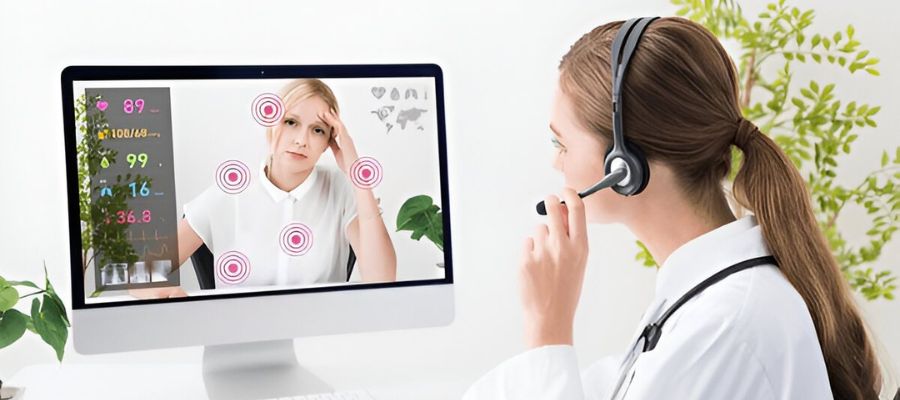
Healthcare is undergoing a technological transformation, with patient care moving beyond the traditional clinic walls. Remote Patient Monitoring (RPM) is at the forefront of this shift, allowing healthcare providers to monitor patients’ health in real time, from anywhere. RPM improves outcomes, reduces hospital readmissions, and empowers patients to take charge of their own health.
However, implementing RPM is not just about deploying devices; it requires a robust, secure, and efficient IT infrastructure. IT support teams play a critical role in preparing healthcare organizations to successfully adopt and scale remote patient monitoring.
In this blog, we explore how IT support ensures healthcare organizations can leverage RPM effectively while maintaining security, compliance, and operational efficiency.
Understanding Remote Patient Monitoring
Remote Patient Monitoring involves the use of digital devices to track a patient’s vital signs, symptoms, or chronic conditions outside the clinical environment. Common devices include:
-
Wearable heart monitors
-
Glucose meters
-
Blood pressure cuffs
-
Oxygen saturation sensors
-
Smart scales
These devices send data to healthcare providers through secure networks, allowing clinicians to monitor patients in real time, adjust treatments, and intervene early when issues arise.
While RPM offers enormous potential, it also introduces complex IT challenges, such as device integration, data security, and system interoperability.
1. Building a Reliable IT Infrastructure
The backbone of any RPM program is a robust IT infrastructure. IT support teams ensure that healthcare organizations have the hardware, networks, and software needed for seamless remote monitoring. Key responsibilities include:
-
Network Stability: Ensuring uninterrupted connectivity for devices and data transmission.
-
Server & Cloud Management: Maintaining secure servers or cloud systems for storing patient data.
-
Device Integration: Configuring medical devices to work seamlessly with Electronic Health Records (EHR) and other clinical systems.
A strong infrastructure ensures that patient data flows reliably from the home to the healthcare provider without delays, errors, or downtime.
2. Ensuring Cybersecurity and Data Privacy
Healthcare data is highly sensitive and strictly regulated under HIPAA, GDPR (for international patients), and other privacy laws. Remote Patient Monitoring increases the attack surface since devices connect over the internet, often from patient homes.
IT support teams mitigate these risks by:
-
Encrypting Data Transmission: Ensuring all patient data is transmitted securely.
-
Implementing Multi-Factor Authentication (MFA): Protecting access to monitoring systems.
-
Regular Security Audits: Identifying vulnerabilities before they become threats.
-
Endpoint Protection: Securing RPM devices and associated home networks.
By proactively managing security, IT support ensures that healthcare organizations protect patients’ private information while delivering RPM services.
3. Integration with Clinical Systems
Remote patient data is only useful if it can be effectively integrated into existing clinical workflows. IT support teams bridge the gap between RPM devices and clinical systems, including:
-
Electronic Health Records (EHRs): Automatically syncing patient data for real-time insights.
-
Clinical Dashboards: Providing healthcare providers with easy-to-read summaries and alerts.
-
Telehealth Platforms: Combining live consultations with ongoing monitoring.
Seamless integration reduces administrative burdens, prevents errors, and ensures that clinicians can make timely, informed decisions.
4. Supporting Patients and Staff
Even with the best technology, RPM programs fail without proper user support. IT support teams play a key role in:
-
Patient Education: Teaching patients how to use monitoring devices, troubleshoot connectivity issues, and understand alerts.
-
Staff Training: Ensuring nurses, physicians, and administrative staff can access, interpret, and act on patient data efficiently.
-
Help Desk Services: Providing real-time support to resolve technical issues and maintain confidence in the RPM program.
Effective IT support improves adoption rates, reduces frustration, and enhances the overall experience for both patients and providers.
5. Monitoring, Analytics, and Reporting
RPM generates vast amounts of data. IT support teams help healthcare organizations make sense of this data through analytics and reporting:
-
Data Validation: Ensuring incoming data is accurate, complete, and reliable.
-
Alerts and Notifications: Configuring thresholds and notifications for early intervention.
-
Population Health Insights: Identifying trends across patient groups to inform care strategies.
By transforming raw data into actionable insights, IT support ensures RPM programs deliver measurable improvements in patient outcomes.
6. Scalability and Future-Proofing
Healthcare organizations need RPM programs that can scale as patient numbers grow and technology evolves. IT support prepares for scalability by:
-
Implementing cloud-based solutions that can expand as needed.
-
Creating flexible network architectures to accommodate new devices.
-
Standardizing integration protocols for future RPM devices and applications.
-
Planning for emerging technologies like AI-powered predictive analytics and remote diagnostics.
This proactive approach allows healthcare organizations to expand their RPM programs without major disruptions or costly system overhauls.
7. Compliance and Regulatory Readiness
Regulatory compliance is non-negotiable in healthcare. IT support teams ensure RPM programs comply with relevant standards by:
-
Keeping systems audit-ready with detailed logs and reporting capabilities.
-
Ensuring proper patient consent and data access controls.
-
Monitoring software and firmware updates for compliance.
-
Staying up to date with new healthcare regulations and standards.
By embedding compliance into every layer of IT support, healthcare organizations can confidently provide RPM services without legal or financial risks.
Final Thoughts
Remote Patient Monitoring is transforming the way healthcare is delivered, offering improved outcomes, reduced costs, and empowered patients. However, successful RPM programs rely on strong IT support to handle infrastructure, cybersecurity, integration, user support, analytics, scalability, and compliance.
By partnering with experienced IT support teams, healthcare organizations can implement RPM confidently, improve patient care, and stay ahead in the rapidly evolving digital healthcare landscape.

 GOUTHAM CHELMETI
 VDecor Premium Quality uPVC Doors & Window