jordan turner
Comprehensive STD Screening: What to Expect and Why It Matters
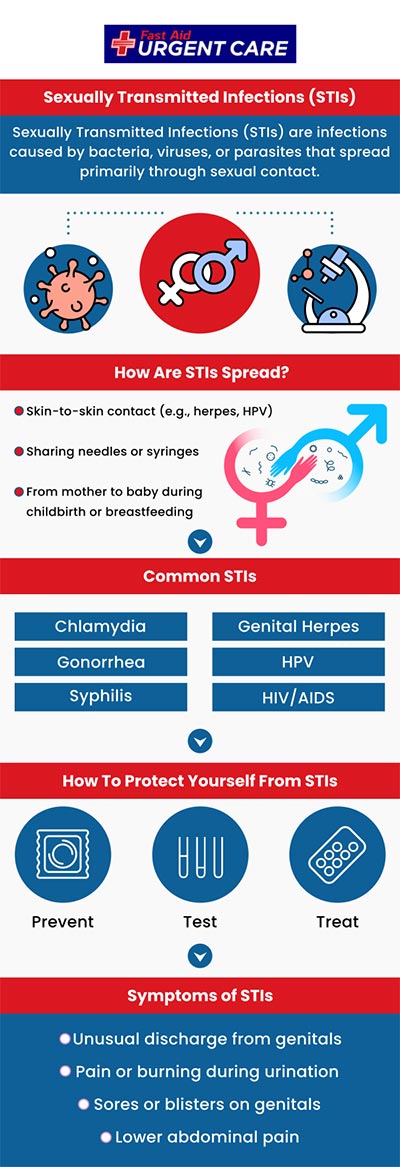
STD Screening is a cornerstone of preventive healthcare for anyone who is sexually active. It helps detect infections early, protects long-term health, and reduces the spread of sexually transmitted diseases within the community. Despite its importance, many people delay screening due to uncertainty, fear, or misconceptions about the process.
This guide explains exactly what STD Screening involves, what you can expect during your visit, and why regular screening plays a vital role in physical, emotional, and public health.
What Is STD Screening
STD Screening is a medical process used to check for sexually transmitted infections, often before symptoms appear. Many STDs can remain silent for months or even years, causing damage without obvious warning signs. Screening identifies these infections early, allowing for timely treatment and prevention of complications.
Unlike symptom-based testing, STD Screening is proactive. It focuses on prevention, early detection, and peace of mind rather than waiting for problems to arise.
Why Comprehensive STD Screening Matters
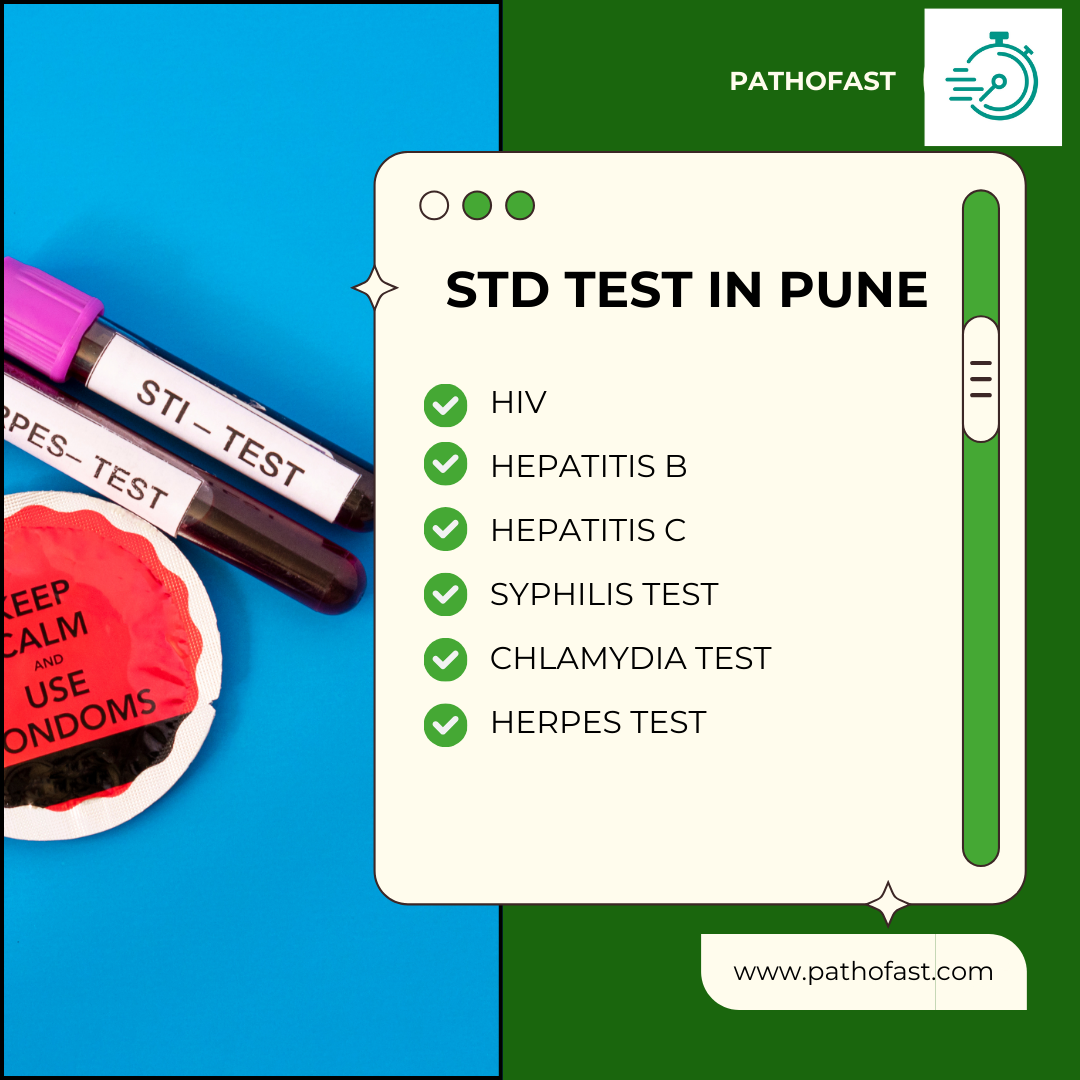
Comprehensive STD Screening goes beyond a single test. It evaluates multiple infections at once based on risk factors, age, sexual behavior, and medical history.
Early detection:
-
Prevents long-term health complications
-
Reduces the risk of infertility
-
Protects partners from unknowingly transmitted infections
-
Improves treatment outcomes
Screening is not just about individual health—it’s about community health and responsible sexual well-being.
Who Should Get STD Screening
STD Screening is recommended for a wide range of individuals, not only those experiencing symptoms.
You should consider STD Screening if you:
-
Are sexually active
-
Have a new or multiple partners
-
Do not consistently use protection
-
Are entering a new relationship
-
Are pregnant or planning pregnancy
-
Want reassurance and peace of mind
Even people in long-term relationships may benefit from screening as part of routine healthcare.
What to Expect Before STD Screening
Before your STD Screening appointment, you may be asked questions about your sexual history, symptoms, and previous testing. These questions are confidential and designed to help healthcare providers choose the most appropriate tests.
You usually do not need special preparation, although some tests may require avoiding urination for a short time before sample collection. Clinics provide clear instructions in advance.
What Happens During STD Screening
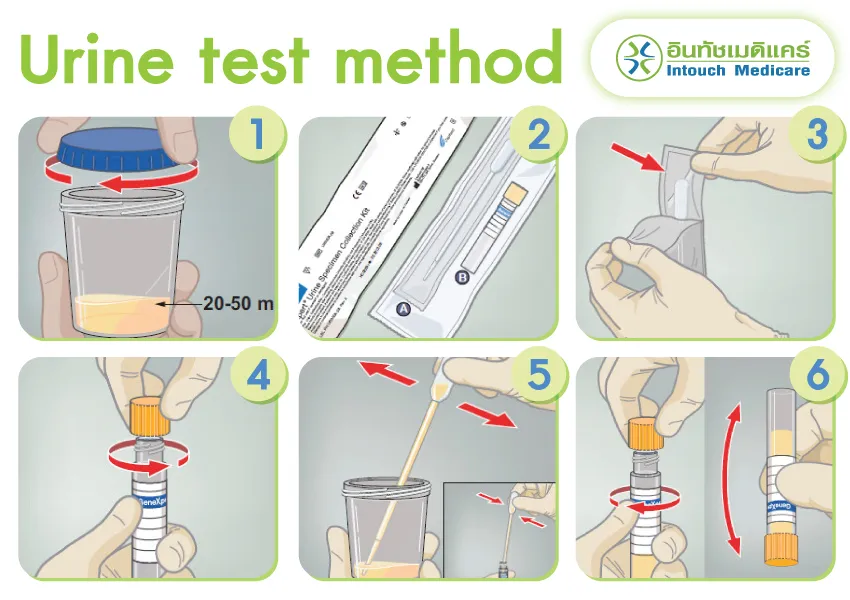
STD Screening is typically quick, simple, and minimally uncomfortable. Depending on the screening panel, the process may include:
-
A urine sample
-
A blood sample
-
A swab (oral, genital, or rectal)
-
A brief physical examination
Most appointments are completed within a short visit, and privacy is strictly maintained.
Does STD Screening Hurt
STD Screening is generally painless. Blood draws may cause brief discomfort similar to routine lab tests. Swab tests are quick and mild, and urine tests are non-invasive.
Healthcare professionals are trained to make the experience as comfortable and respectful as possible.
How Long Does STD Screening Take
The screening appointment itself is usually brief. Results timing depends on the type of test used.
-
Some results are available quickly
-
Others may take a few days
Clinics clearly explain when and how you will receive your results.
Why You Should Not Wait for Symptoms
One of the biggest misconceptions is that STD Screening is only necessary when symptoms appear. Many STDs cause no immediate symptoms but can still lead to serious health issues.
Undetected infections may cause:
-
Chronic pain
-
Reproductive complications
-
Increased vulnerability to other infections
Routine STD Screening helps catch infections before they cause harm.
STD Screening and Long-Term Health
Regular STD Screening supports long-term health by reducing the risk of complications that may develop silently.
Early treatment:
-
Preserves fertility
-
Protects organ function
-
Prevents disease progression
-
Reduces future healthcare costs
Screening is a preventive investment in lifelong wellness.
Emotional Benefits of STD Screening
Beyond physical health, STD Screening offers emotional relief. Knowing your status reduces anxiety and uncertainty. Many people report feeling more confident and in control of their health after screening.
It also encourages open communication with partners, building trust and mutual responsibility.
Privacy and Confidentiality in STD Screening
STD Screening is confidential. Clinics follow strict privacy standards to protect your personal information and results.
Many facilities also offer discreet or anonymous screening options, ensuring comfort for individuals concerned about privacy.
What If STD Screening Results Are Positive
A positive result does not mean the end of your health or well-being. Many STDs are treatable, and some are fully curable when detected early.
Healthcare providers:
-
Explain results clearly
-
Provide treatment options
-
Offer follow-up care and guidance
-
Support partner notification when needed
Early diagnosis leads to better outcomes and faster recovery.
How Often Should STD Screening Be Done
The frequency of STD Screening depends on individual risk factors and lifestyle. Some people benefit from annual screening, while others may need more frequent checks.
Healthcare providers help tailor screening schedules to your specific needs.
Breaking the Stigma Around STD Screening
STD Screening is a responsible health choice—not a reflection of behavior or character. Removing stigma encourages more people to seek care early, reducing overall infection rates.
Normalizing screening helps build healthier communities and stronger healthcare awareness.
Why Comprehensive STD Screening Is Better Than Partial Testing
Partial testing may miss infections that are asymptomatic or less obvious. Comprehensive STD Screening evaluates multiple infections at once, offering a complete picture of sexual health.
This approach minimizes missed diagnoses and ensures appropriate treatment planning.
STD Screening as Preventive Healthcare
Just like blood pressure checks or cholesterol tests, STD Screening is preventive care. It identifies risks early and helps maintain overall health.
Making screening a routine part of healthcare supports proactive decision-making and long-term confidence.


 Amritsar Hospital
 Royal Clinic