BGS Bespoke Glass Solutions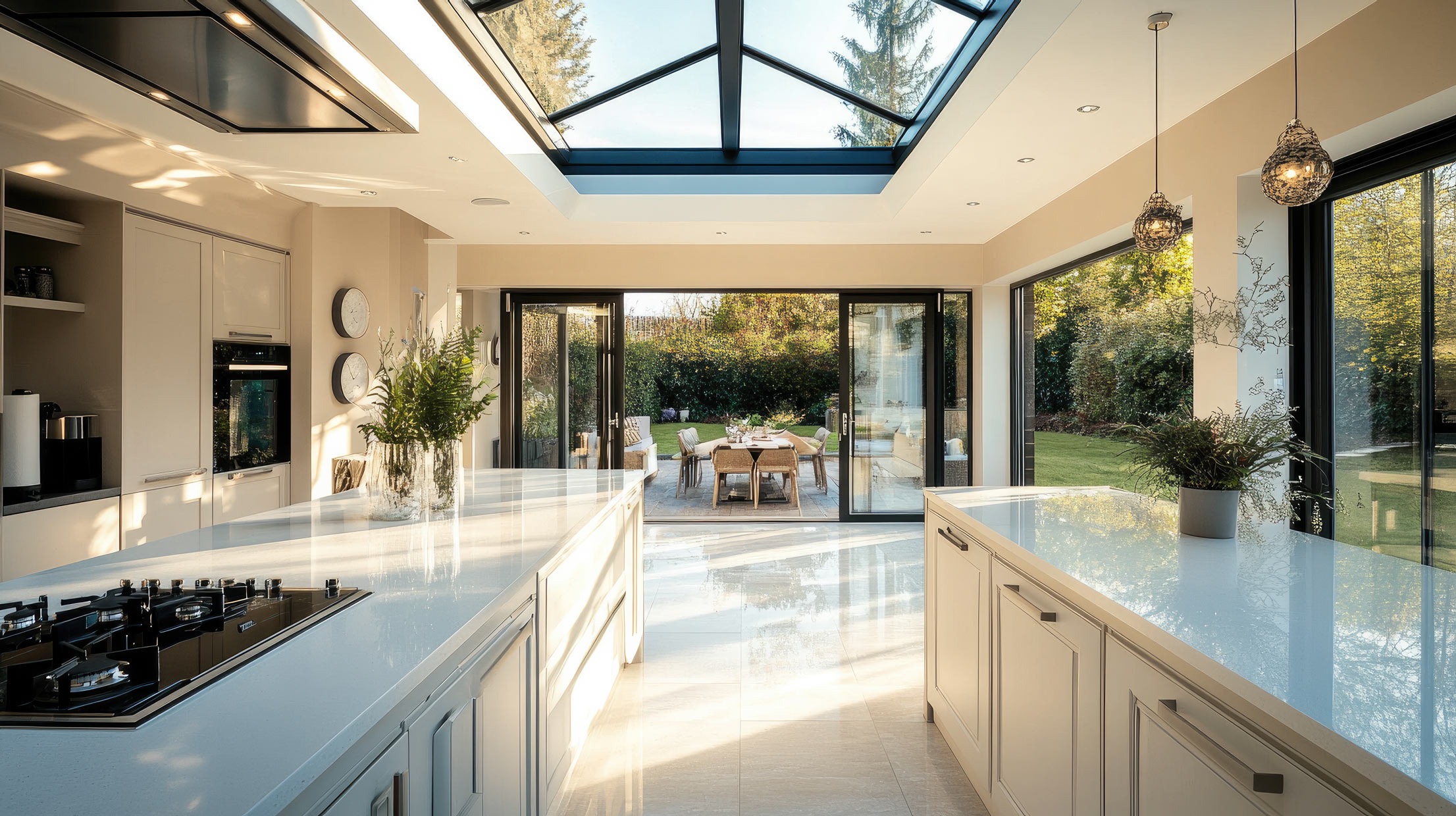
Minimalist interior design is not only about empty spaces but about intentional choices that add serenity, harmony and clarity to your house. This style is characterized by straight lines and functional designs, as well as proper use of materials that do not waste space. Elements such as glass balustrading are known to have subtle roles in maximizing space with no clutter. Keep reading as we will share with you some of the most important features of creating a minimalist interior.
Understanding the Core of Minimalist Design
Minimalism embraces simplicity, functionality, and aesthetics. Minimalism does not require filling the room with decor; rather, it focuses on functionality and clean surfaces. The interplay of neutral colors, light, and open design helps create serene, clean, and timeless spaces that aren’t trendy and excessive.
Neutral Colour Palettes That Set the Mood
Soft whites, warm greys, beige, and muted earth tones form the foundation of minimalist interiors. These shades are perfect for reflecting light, making rooms appear bigger. The use of a consistent colour palette throughout the walls, floors and furniture maintains a seamless flow from one space to another.
Furniture That Prioritises Function
Minimalist furniture is simple, low-profile and practical. Pieces usually have straight lines, slim legs, and come with hidden storage. The focus is not on several little objects, but on a single well-considered sofa or table that is simpler to look at and at the same time satisfies the general needs of everyday life.
The Power of Open and Airy Layouts
Open plans are what make minimalist homes unique. These homes have fewer walls designed to allow the free flow of natural lighting, making rooms feel spacious. Staircases and landings greatly benefit from glass balustrading, which ensures functionality without obstructing the view.
Textures Over Excess Decoration
Minimalism uses texture to add warmth without the use of any decorative clutter. Wood, stone, linen, and concrete add dimension without being a distraction. By having contrasts of matte and gloss finishes, the room can maintain its clean appearance.
Smart Storage for a Clutter-Free Home
Hidden storage is essential in minimalist design. The everyday items are kept out of sight in built-in cabinets, drawers under the bed and hidden shelves. The strategy contributes to a clean atmosphere, which makes rooms always appear organised, calm and aesthetically light.
Minimalist Staircases and Vertical Spaces
Staircases are usually treated as architectural features rather than as decorative elements. Clean steps, neutral finishes and glass balustrading make it possible for stairways to be perfectly integrated into the interior design without any visual barriers.
Lighting That Complements Simplicity
Lighting in minimalist interiors is subtle and purposeful. Recessed lights, lightheaded, minimalistic-shaped pendant lights, and warm-toned LEDs offer sufficient light without drawing attention. Lighting is used to enhance space, not dominate it.
Conclusion
Minimalist interior design involves making homes appear serene, functional, and harmonious. By paying attention to light, space, and carefully selected materials, a homeowner can design a timeless interior without feeling overwhelmed. Elements like glass balustrading from BGS Bespoke Glass Solutions help maintain openness while still achieving a modern aesthetic look that defines true minimalism.


 Daniel Carter
 Century Software