Luengvor Luengvor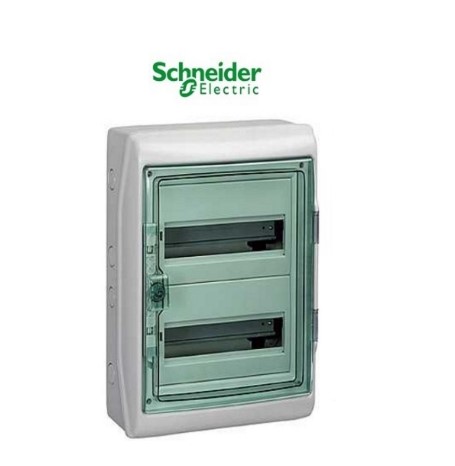

Electrical systems form the backbone of modern homes, offices, and industrial setups. A key component of these systems is the electrical distribution panel board, which ensures the safe and efficient distribution of electricity across various circuits. Also commonly referred to as a power distribution board, this device plays a vital role in protecting appliances, maintaining consistent power flow, and preventing electrical hazards.
With the increasing complexity of electrical networks, understanding proper installation and maintenance practices for an electrical distribution panel board is crucial. This guide provides a comprehensive overview, helping homeowners, electricians, and facility managers ensure safe, reliable, and efficient power distribution.
What Is an Electrical Distribution Panel Board?
An electrical distribution panel board is a centralized hub that receives electrical power from a main supply line and distributes it to various branch circuits in a building. It houses protective devices such as circuit breakers, fuses, and switches that regulate current flow, protect against overloads, and isolate faulty circuits.
A power distribution board is commonly used in residential, commercial, and industrial settings. Its modular design allows for easy expansion, making it adaptable to growing electrical demands.
Why a Power Distribution Board Is Important
A power distribution board is more than just a collection of switches; it is the safety and control center of your electrical system. Key benefits include:
- Overload Protection: Circuit breakers prevent excessive current from damaging devices.
- Fault Isolation: Faulty circuits can be isolated without disrupting the entire system.
- Energy Management: Modern boards provide monitoring options for efficient energy usage.
- Safety Compliance: Properly installed boards meet electrical safety standards, reducing the risk of accidents.
Installing a reliable electrical distribution panel board is essential for long-term safety, performance, and convenience.
Types of Electrical Distribution Panel Boards
Understanding the types of power distribution boards helps in choosing the right solution for specific needs:
- Main Distribution Board (MDB)
The MDB receives power from the utility supply and distributes it to sub-distribution boards or large equipment. It is commonly used in commercial and industrial buildings.
- Sub-Distribution Board (SDB)
SDBs receive power from the main distribution board and supply it to specific areas or equipment. In homes, these boards manage circuits for lighting, air conditioning, and kitchen appliances.
- Consumer Unit
In residential applications, a consumer unit is a smaller electrical distribution panel board that manages individual circuits for rooms and essential appliances. It typically includes MCBs (Miniature Circuit Breakers) and RCCBs (Residual Current Circuit Breakers).
Key Components of an Electrical Distribution Panel Board
A typical power distribution board consists of:
- Circuit Breakers: Protect circuits from overloads and short circuits.
- Busbars: Conduct electricity efficiently to multiple circuits.
- Fuses: Provide backup protection against electrical faults.
- Neutral and Earth Bars: Ensure safe grounding and proper return paths.
- Enclosure: Houses all components safely and prevents accidental contact.
Each component plays a critical role in maintaining safe and reliable power distribution.
Installation Guide for Electrical Distribution Panel Boards
Proper installation is essential to ensure safety and efficiency. Here’s a step-by-step overview:
- Planning and Design
Before installation, assess the building’s electrical load, number of circuits, and future expansion requirements. Select an electrical distribution panel board with adequate capacity and features.
- Location Selection
Choose a dry, well-ventilated area away from water sources and heat. The power distribution board should be easily accessible for maintenance but secured from unauthorized access.
- Mounting the Board
Mount the panel at a height convenient for operation and inspection. Ensure the surface is level and strong enough to support the board’s weight.
- Wiring and Connections
- Use appropriate wire sizes based on load calculations.
- Connect the main supply to the incoming terminals.
- Distribute outgoing circuits through MCBs or fuses.
- Properly label each circuit for easy identification.
- Safety Checks
Before energizing, check all connections, ensure proper grounding, and verify that protective devices are correctly rated. Safety compliance is critical to prevent hazards.
Maintenance Tips for a Power Distribution Board
Regular maintenance ensures that a power distribution board continues to operate efficiently and safely:
- Visual Inspection
Check for discoloration, corrosion, or signs of overheating. Look for loose connections and damaged insulation.
- Tightening Connections
Periodic tightening of connections prevents overheating and reduces the risk of electrical fires.
- Cleaning
Dust and debris can affect performance. Use a dry cloth or vacuum to remove dust from the enclosure and components.
- Testing Protective Devices
Test circuit breakers and residual current devices regularly to ensure proper functioning. Replace any faulty devices promptly.
- Load Monitoring
Monitor current loads to prevent overloading. Modern power distribution boards may include digital monitoring for precise energy management.
Common Mistakes to Avoid
- Ignoring Load Calculations: Undersized boards can lead to frequent tripping or overloads.
- Poor Grounding: Inadequate grounding increases the risk of electric shock and equipment damage.
- Overcrowding Circuits: Avoid adding too many circuits to a single board, which may lead to overheating.
- Neglecting Maintenance: Lack of routine inspection can result in failures and hazards.
Avoiding these mistakes ensures the safety and longevity of your electrical distribution panel board.
Upgrading Your Power Distribution Board
Upgrading to a modern electrical distribution panel board provides multiple benefits:
- Supports higher loads and modern appliances
- Improves energy efficiency with digital monitoring
- Enhances safety with advanced protective devices
- Allows easy integration with modular switches and smart home systems
Upgrading is especially useful in homes and offices that have expanded their electrical needs or incorporated sensitive electronics.

Choosing the Right Electrical Distribution Panel Board Online
For those considering convenience and variety, purchasing a power distribution board online can be highly effective. Online platforms offer:
- Detailed specifications and product comparisons
- Customer reviews and ratings for reliability
- Access to trusted brands with warranty and after-sales support
When you buy electrical distribution panel board online, you can select the exact model that matches your load requirements, design preference, and safety standards.
Conclusion
A properly installed and well-maintained electrical distribution panel board is the backbone of a safe and efficient electrical system. It protects appliances, ensures uninterrupted power flow, and helps manage energy usage effectively. Understanding the types, components, installation procedures, and maintenance practices is essential for homeowners, electricians, and facility managers alike.
For those seeking high-quality, reliable, and well-engineered power distribution boards, exploring options available through Schneider Electric eShop ensures safe, efficient, and modern solutions for homes, offices, and industrial setups.


 CDS Mayfair
 nikita pawar