GodDigital GodDigital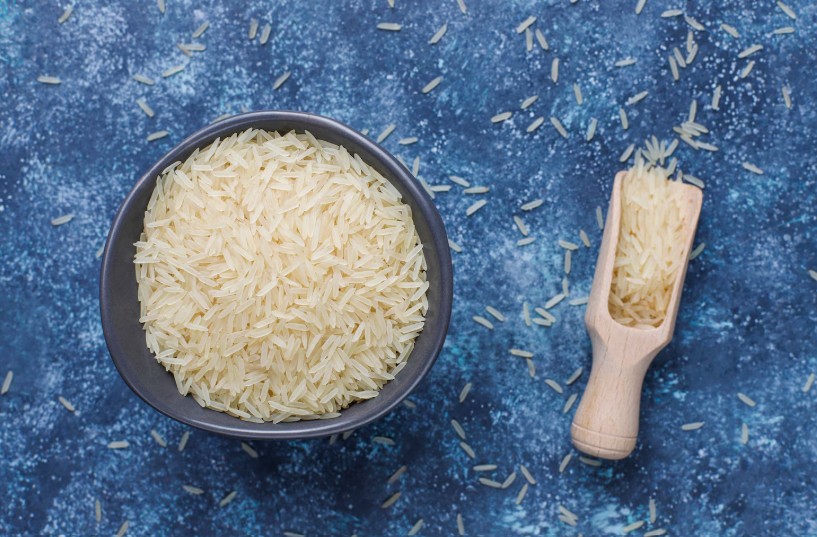
Introduction
Rice is one of the most essential staples in kitchens around the world, and among the many varieties, extra long grain basmati rice stands out for its aroma, length, and fluffy texture. Known for its delicate fragrance and slender grains, this rice elevates everyday meals to gourmet experiences. At Gautam Rice, we believe that understanding the nuances of cooking this special rice ensures that every dish comes out perfect, whether it’s a simple bowl of steamed rice or an elaborate biryani.
In this article, we’ll explore everything you need to know about extra long grain basmati rice — from selecting the best grains to cooking techniques, storage tips, and recipes that highlight its flavor. By the end, you’ll have mastered the art of cooking perfect basmati rice every single time.
1. What Makes Extra Long Grain Basmati Rice Special
1.1 Aroma and Flavor
One of the defining characteristics of extra long grain basmati rice is its unique aroma. The natural fragrance comes from a compound called 2-acetyl-1-pyrroline (2AP), which gives basmati its signature nutty, popcorn-like scent. When cooked properly, each grain remains separate, fluffy, and fragrant, enhancing the taste of any dish.
1.2 Grain Length and Appearance
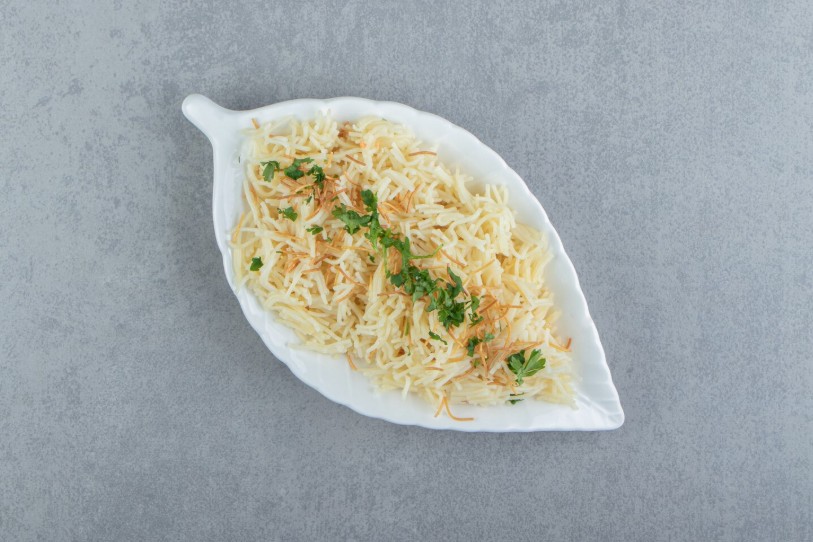
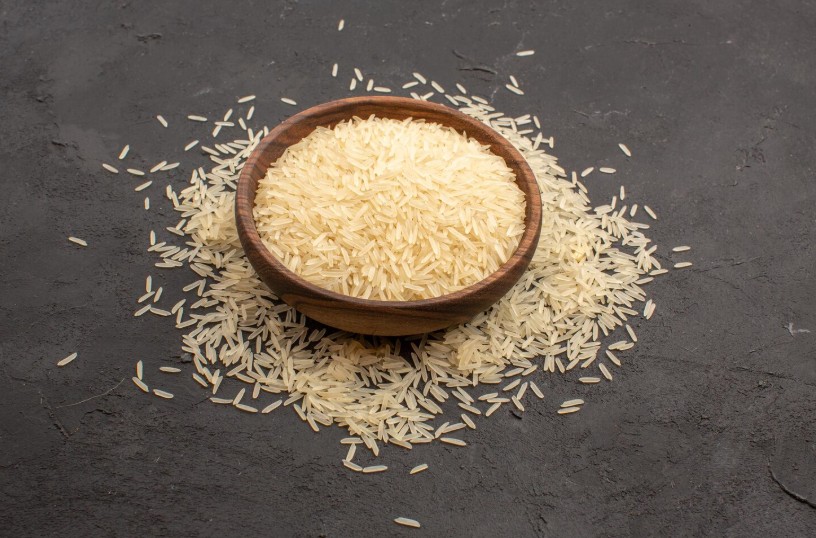
Extra long grain basmati rice is longer and thinner than standard rice varieties. When cooked, the grains expand significantly without breaking, creating a visually appealing and elegant presentation on the plate. This makes it the rice of choice for biryanis, pilafs, and festive meals.
1.3 Nutritional Value
While delicious, extra long grain basmati rice is also nutritious. It is low in fat, high in carbohydrates, and provides essential vitamins and minerals. Its low glycemic index also makes it a preferred choice for people managing blood sugar levels.
2. How to Select the Best Extra Long Grain Basmati Rice
2.1 Look for Long, Uniform Grains
The best basmati rice should have long, slender, uniform grains. Avoid rice that is broken or uneven in size, as this can affect both cooking and texture.
2.2 Check the Aroma
High-quality extra long grain basmati rice should have a naturally fragrant aroma even when uncooked. Gautam Rice ensures that only premium grains reach your kitchen.
2.3 Packaging and Storage
Choose rice that is properly packaged in airtight containers. Proper storage preserves freshness, aroma, and texture.
3. Preparation Tips for Perfect Basmati Rice
3.1 Rinse Thoroughly
Before cooking, rinse the rice under cold water to remove excess starch. This prevents stickiness and ensures that each grain remains separate.
3.2 Soak the Rice
Soaking extra long grain basmati rice for 30–60 minutes before cooking allows the grains to absorb water, resulting in longer, fluffier rice.
3.3 Use the Right Water Ratio
The general rule for cooking basmati rice is 1 cup of rice to 1.5–2 cups of water. The exact ratio may vary depending on the cooking method and preference.
4. Cooking Methods
4.1 Stovetop Method
-
Boil water in a large pot with a pinch of salt.
-
Add soaked and drained rice.
-
Cover and simmer on low heat for 15–20 minutes.
-
Turn off the heat and let it rest for 5 minutes before fluffing with a fork.
4.2 Absorption Method
-
Combine rice and water in a pot with a tight-fitting lid.
-
Bring to a boil, then reduce heat and cover.
-
Cook until all water is absorbed.
4.3 Using a Rice Cooker
Rice cookers are ideal for beginners. Simply add the soaked rice and measured water, then turn on the cooker. The machine automatically cooks the rice to perfection.
5. Tips for Extra Fluffy Rice
-
Always rinse and soak rice before cooking.
-
Avoid stirring while cooking; this can break grains.
-
Use a light touch when fluffing with a fork.
-
Add a few drops of ghee or a small piece of butter for enhanced aroma.
6. Recipes Featuring Extra Long Grain Basmati Rice
6.1 Classic Basmati Pilaf
-
Sauté onions, garlic, and spices in ghee.
-
Add soaked rice and water.
-
Cook until fluffy and aromatic.
6.2 Vegetable Biryani
-
Layer cooked extra long grain basmati rice with spiced vegetables.
-
Cook on low heat for a rich, fragrant biryani.
6.3 Lemon Rice
-
Mix cooked rice with lemon juice, turmeric, and herbs.
-
A refreshing, tangy dish perfect for lunchboxes.
7. Storing and Preserving Your Basmati Rice
-
Store uncooked rice in airtight containers in a cool, dry place.
-
Cooked rice should be refrigerated within 2 hours to prevent bacterial growth.
-
For longer shelf life, freeze cooked rice in portioned containers.
8. Health Benefits of Extra Long Grain Basmati Rice
-
Low Glycemic Index: Helps regulate blood sugar levels.
-
Gluten-Free: Suitable for gluten-sensitive diets.
-
Rich in Energy: Provides essential carbohydrates for energy.
-
Digestive Friendly: Easy to digest and light on the stomach.
Conclusion
Cooking perfect extra long grain basmati rice is an art that can be mastered with the right techniques and high-quality grains. Whether you’re preparing a simple everyday meal or a festive feast, the delicate aroma, slender grains, and fluffy texture of basmati rice elevate every dish. With tips from Gautam Rice, you can consistently achieve restaurant-quality results, ensuring every bite is a delight. Invest in premium rice, follow proper cooking methods, and watch your meals transform into culinary masterpieces.
Basmati vs. Non-Basmati Rice: What’s the Difference and Which Should You Choose? By prioritizing quality, technique, and care, you’ll discover why extra long grain basmati rice is celebrated worldwide and continues to be a favorite in kitchens everywhere.