Binish Khan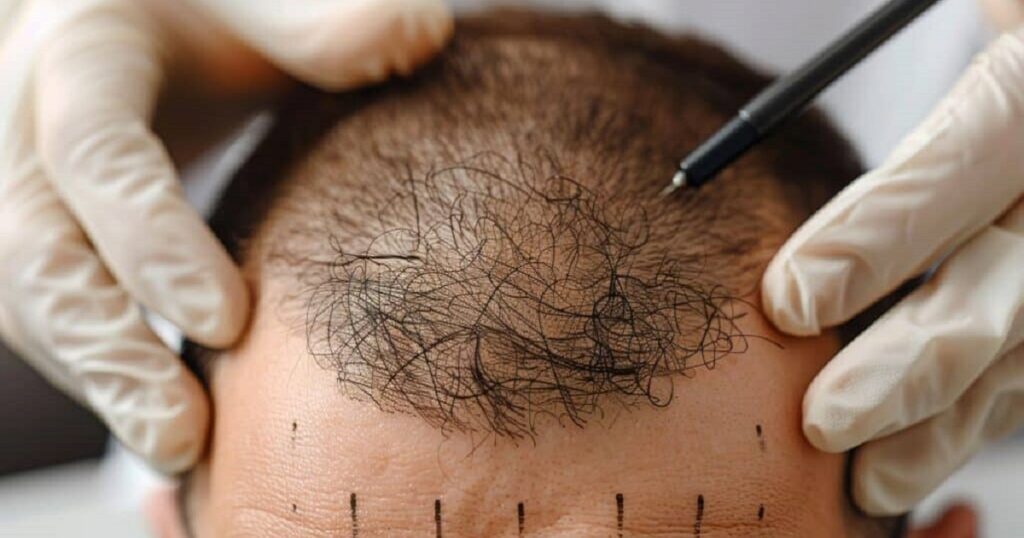
Hair transplantation is a transformative procedure for those experiencing hair loss, offering renewed confidence and natural-looking results. However, in many cases, a single session may not achieve the desired density or coverage. A Hair Transplant in Islamabad, second session, also known as a touch-up or follow-up transplant, may be required to enhance results, fill in sparse areas, or correct previous transplant limitations. Understanding when a second session is necessary, how it is planned, and what to expect is crucial for anyone considering hair restoration.
Not every patient requires a second session. The decision depends on several factors, including the extent of hair loss, donor area availability, hair type, desired density, and the patient’s aesthetic goals. Experienced hair transplant surgeons assess these variables during follow-up consultations to determine whether an additional session is beneficial and safe.
Why a Second Session May Be Needed
A second hair transplant session may be recommended for several reasons:
-
Enhancing Density: Patients who wish for a thicker appearance may benefit from a follow-up procedure to increase graft density.
-
Expanding Coverage: Individuals with progressive hair loss might need additional grafts to cover areas that were not addressed in the first session.
-
Correcting Irregularities: Uneven growth patterns, low-density patches, or minor aesthetic issues from the initial transplant can be corrected.
-
Long-Term Planning: Some patients plan multi-stage procedures to maintain a natural look as hair loss progresses over time.
Surgeons prioritize safety and natural aesthetics, ensuring that donor areas are not overharvested and that new grafts blend seamlessly with existing hair.
Timing of a Second Hair Transplant
The timing of a second session is critical to achieving optimal outcomes. Typically, surgeons recommend waiting 9–12 months after the initial transplant. This allows transplanted hair to grow fully, the scalp to heal, and the patient to evaluate the final results. Attempting a second session too early may interfere with healing and reduce graft survival, while waiting too long could limit donor availability due to progressive hair loss.
During follow-up consultations, surgeons examine hair density, scalp health, and patient expectations to create a personalized plan for the second session. Proper timing ensures that results appear natural and consistent with the first procedure.
Pre-Second Session Assessment
Before performing a second hair transplant, a thorough assessment is conducted. This includes:
-
Donor Area Evaluation: Ensuring sufficient healthy follicles remain for transplantation without compromising future options.
-
Hair Density Analysis: Measuring existing density and identifying areas that require additional coverage.
-
Scalp Health Check: Assessing scar tissue, elasticity, and overall scalp condition to determine feasibility.
-
Growth Pattern Assessment: Analyzing hair direction, angulation, and natural flow to achieve harmonious results.
Digital mapping and trichoscopic imaging may be used to plan precise graft placement and anticipate potential challenges. This meticulous approach ensures that the second session enhances the overall aesthetic outcome.
Techniques Used in Second Hair Transplant Sessions
A second session typically uses the same advanced techniques as the first, with modifications as needed based on patient-specific factors:
-
FUE (Follicular Unit Extraction): Ideal for targeted touch-ups and precise graft placement without creating linear scars.
-
DHI (Direct Hair Implantation): Offers complete control over follicle angle and direction, essential for blending with previous transplants.
-
FUT (Follicular Unit Transplantation): May be used if a larger number of grafts is needed, although it is less common for second sessions.
Surgeons often combine single-hair grafts for hairline refinement with multi-hair follicular units for added density, creating a natural and aesthetically pleasing look.
Planning for Natural Results
A second session focuses on creating uniform density and natural flow. Surgeons consider existing transplanted hair, native hair, and future hair loss patterns to ensure long-term harmony. Proper angulation, spacing, and layering are critical to avoid an artificial appearance.
Patients with wavy, curly, or coarse hair may require specialized techniques to maintain texture and coverage. Likewise, female patients seeking touch-ups often require delicate, single-hair graft placement along the frontal hairline for subtle improvements.
Post-Operative Care
Post-operative care for a second session is similar to the initial procedure, with emphasis on protecting newly implanted follicles. Key recommendations include:
-
Avoiding direct sunlight and heat exposure for several weeks.
-
Keeping the scalp clean and avoiding scratching or friction.
-
Following prescribed medication or topical care regimens.
-
Limiting strenuous physical activity during the early healing phase.
Adhering to these instructions promotes graft survival, reduces the risk of infection, and ensures consistent growth.
Psychological and Aesthetic Benefits
A second session can significantly boost self-confidence and satisfaction with hair restoration. Patients who previously experienced low density or incomplete coverage often report improved self-esteem after touch-up procedures. The ability to refine hairlines, correct irregularities, and enhance overall fullness provides both aesthetic and psychological benefits.
Combining Treatments for Optimal Outcomes
To maximize results, second hair transplant sessions may be combined with adjunctive therapies:
-
Platelet-Rich Plasma (PRP): Enhances follicle survival, stimulates growth, and improves scalp health.
-
Low-Level Laser Therapy (LLLT): Supports blood flow to follicles and encourages natural hair growth.
-
Medical-Grade Topicals: Minoxidil or other physician-recommended treatments may help maintain existing hair and strengthen transplanted follicles.
Combining surgical and non-surgical treatments ensures long-lasting, natural results that align with patient expectations.
Frequently Asked Questions (FAQs)
Who needs a second hair transplant session?
Patients seeking increased density, additional coverage, or corrections to their initial transplant may benefit from a second session.
How long should I wait before a second session?
Typically, 9–12 months after the first procedure, allowing full growth and scalp healing.
Is the second session different from the first?
The techniques are similar, but placement is adjusted based on existing hair, donor availability, and desired outcomes.
Can donor hair be reused?
Yes, but surgeons carefully assess donor area availability to ensure sufficient follicles remain without overharvesting.
Are results from a second session permanent?
Yes, when properly performed and combined with appropriate care, second-session results are long-lasting and natural-looking.
Final Thoughts
A second session hair transplant in Islamabad can be an essential step for patients aiming for fuller, more natural hair coverage. Proper assessment, careful planning, and advanced surgical techniques ensure that additional grafts blend seamlessly with previous transplants. By enhancing density, refining hairlines, and correcting prior limitations, patients achieve long-term satisfaction and improved confidence. Clinics like SKN Cosmetics specialize in professional Hair Transplant in Islamabad, offering expert guidance, personalized treatment plans, and comprehensive follow-up care.


 Digital Rahab Centre
 Alchimie Polyclinic