A&R Roof and Hard Surface Cleaning & Restoration Ltd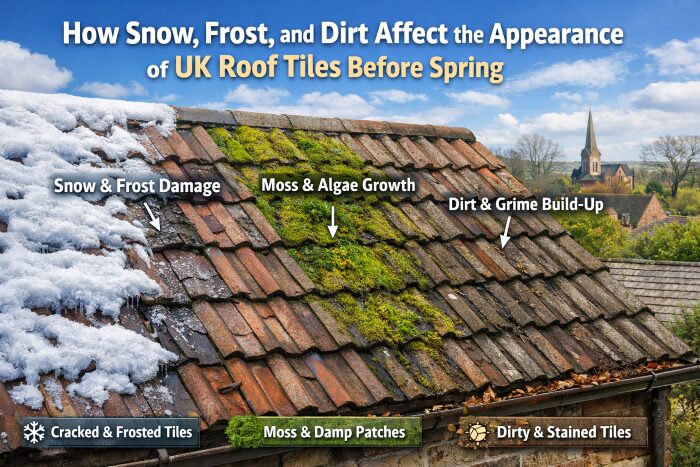
Winter in the UK has a quiet way of leaving its mark on our homes. While snow-covered roofs may look picturesque for a short time, the reality beneath tells a different story. As winter fades and spring approaches, many homeowners begin to notice that their roof tiles look dull, stained, or simply unattractive.
Snow, frost, and months of built-up dirt all play a role in changing the appearance of roof tiles. Understanding how these elements affect your roof can help you take the right steps at the right time — especially when it comes to maintaining clean roof tiles and protecting your property’s long-term condition.
How Snow Affects Roof Tiles During UK Winters
Snow doesn’t fall heavily across the UK every year, but when it does, it often lingers on rooftops longer than expected. Roof tiles are designed to withstand weather, but prolonged snow coverage can still cause visible issues.
When snow sits on roof tiles, it:
-
Traps moisture against the tile surface
-
Prevents natural drying due to limited sunlight
-
Creates cold, damp conditions ideal for moss growth
As temperatures rise and fall, snow melts during the day and refreezes overnight. This constant freeze–thaw cycle slowly weakens the outer layer of roof tiles.
Over time, homeowners may notice:
-
Uneven colouring across the roof
-
Dark streaks where moisture has repeatedly settled
-
Tiles looking faded or worn compared to previous years
These effects often become most noticeable just before spring, when brighter daylight highlights flaws that winter shadows once hid.
Frost Damage and the Slow Decline in Appearance
Frost is one of the most underestimated causes of roof tile deterioration in the UK. Even when snowfall is minimal, frost forms regularly during winter nights.
Frost affects roof tiles by:
-
Freezing moisture inside the tile’s tiny pores
-
Causing surface expansion and contraction
-
Weakening the protective outer layer of the tile
Visually, frost damage can lead to:
-
A rough or flaky texture on tile surfaces
-
Slight cracking that collects dirt more easily
-
Patchy areas that no longer match the rest of the roof
While these changes may seem minor at first, they make roof tiles more vulnerable to dirt, algae, and moss — all of which contribute to a tired, neglected appearance as spring approaches.
Dirt, Pollution, and Winter Grime Build-Up
Winter doesn’t just bring cold weather. It also brings increased pollution, wind-driven debris, and constant rainfall. Together, these elements cause dirt to slowly build up on roof tiles over several months.
Common sources of winter grime include:
-
Air pollution from traffic and heating systems
-
Leaves and organic debris from nearby trees
-
Mud and dust carried by wind and rain
-
Bird droppings that become more visible over time
This layer of dirt dulls the natural colour of roof tiles and creates ideal conditions for moss and algae to take hold. Once these grow, they retain moisture, making the problem worse.
Without intervention, even structurally sound roofs can end winter looking uncared for — which is why maintaining clean roof tiles is so important for both appearance and longevity.
Why Roof Tiles Look Their Worst Before Spring
Many UK homeowners notice their roof looks particularly poor just before spring, and this isn’t a coincidence.
Several factors come together at this time:
-
Winter moisture has had months to settle into tiles
-
Dirt and organic growth have fully developed
-
Low winter light has hidden damage that spring sun reveals
As days get longer and brighter, stains, moss patches, and uneven colouring suddenly stand out. This is often when homeowners start considering roof maintenance, especially if they’re planning other exterior improvements.
A roof that looks dirty or damaged can negatively affect the overall look of a property, even if the rest of the home is well maintained.
The Role of Roof Cleaning After Winter
Spring is one of the most popular times for roof cleaning in the UK — and for good reason. Cleaning roof tiles after winter removes months of grime and restores the roof’s natural appearance before further damage occurs.
Professional roof cleaning can:
-
Remove moss, algae, and dirt safely
-
Improve the colour and uniformity of tiles
-
Reduce moisture retention on the roof surface
-
Help prevent long-term tile deterioration
For homeowners considering this option, understanding roof cleaning costs helps set realistic expectations.
Roof Cleaning Costs UK: What Homeowners Should Know
Roof cleaning costs UK vary depending on several factors, and no two properties are exactly the same. Pricing is usually influenced by:
-
The size and pitch of the roof
-
The type and age of roof tiles
-
The level of moss, dirt, and staining
-
Ease of access and safety requirements
On average, roof cleaning costs may range from a few hundred pounds for smaller homes to higher amounts for larger or heavily affected roofs.
While some homeowners hesitate due to cost, professional cleaning is often far more affordable than repairing or replacing damaged tiles later. Clean roofs last longer, look better, and require fewer repairs over time.
Can You Paint Roof Tiles to Improve Appearance?
After winter, many homeowners ask the same question: can you paint roof tiles to refresh their home’s look?
The answer is yes — but only when done properly.
Painting roof tiles should only be considered if:
-
Tiles are structurally sound
-
The roof has been thoroughly cleaned
-
Moss and dirt have been fully removed
Painting over dirty tiles can trap moisture and lead to faster deterioration. In many cases, a professional clean alone is enough to dramatically improve how a roof looks.
Painting may be suitable for older roofs with faded tiles, but it should always be approached carefully and with professional advice.
Benefits of Keeping Clean Roof Tiles Year-Round
Maintaining clean roof tiles isn’t just about appearance — it also protects your home in the long run. Regular maintenance offers several benefits:
-
Improved kerb appeal
-
Reduced risk of moisture-related damage
-
Slower moss and algae regrowth
-
Longer lifespan for roof tiles
In the UK’s damp climate, neglecting roof cleanliness allows problems to build quietly. Addressing them early — especially after winter — makes a noticeable difference.
Preparing Your Roof for Spring the Right Way
As winter ends, spring offers the perfect opportunity to assess your roof’s condition. Simple steps can help restore its appearance and prevent further issues:
-
Visually inspect your roof from the ground
-
Look for moss patches or uneven colouring
-
Consider professional cleaning if dirt is widespread
-
Get quotes to compare roof cleaning costs
Acting early ensures your roof enters spring in good condition and avoids problems worsening over the year.
Final Thoughts
Snow, frost, and dirt may be unavoidable parts of a UK winter, but their effects on roof tiles shouldn’t be ignored. By the time spring arrives, many roofs show clear signs of wear — dull colours, staining, and organic growth that makes homes look neglected.
Understanding these seasonal effects allows homeowners to take informed action. Whether through professional cleaning, assessing roof cleaning costs UK, or exploring options like painting, keeping clean roof tiles is one of the simplest ways to improve and protect your home.
With proper care at the right time, your roof can move from winter-worn to spring-ready — looking cleaner, brighter, and better prepared for the year ahead.


 Rank Everywhere
 Kashaf Aftab