Wilsom Andy
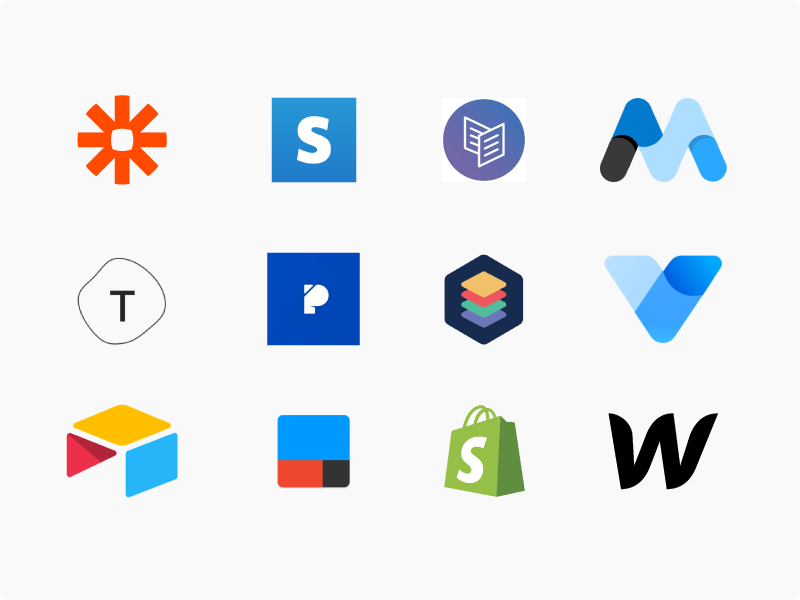
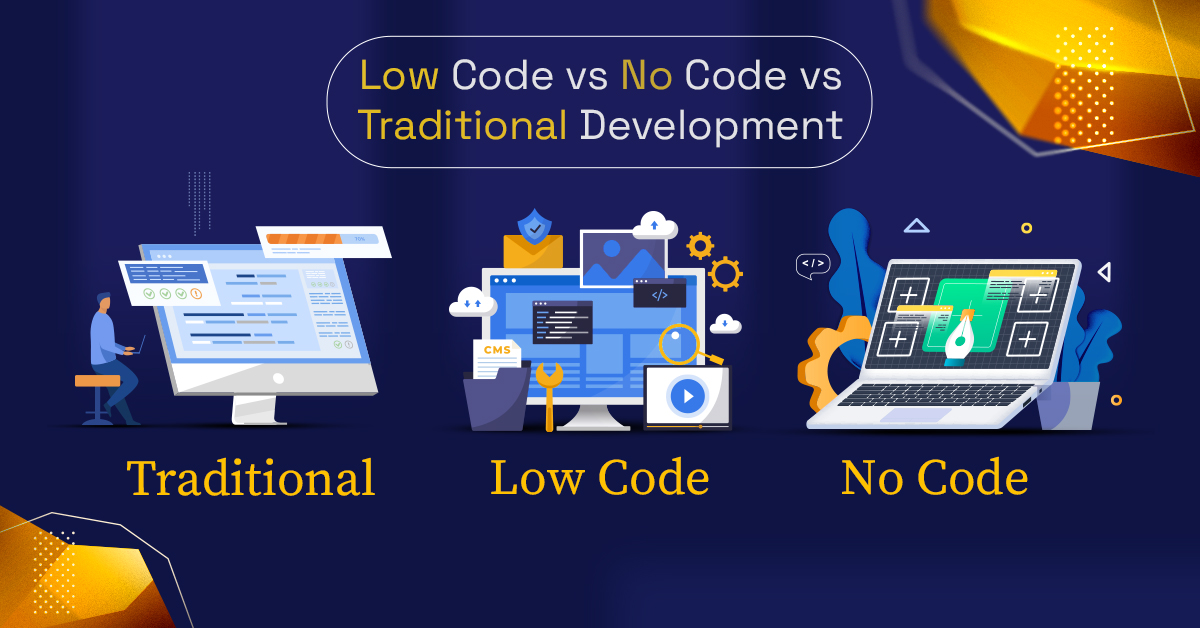
The way software is built is changing fast. Businesses no longer want to wait months—or spend massive budgets—to launch digital products. Instead, they want speed, flexibility, and measurable ROI. That’s exactly why more companies are choosing to hire no-code developers instead of traditional developers.
From startups to enterprises, no-code development is becoming the smarter path to innovation.
1. Faster Time-to-Market
Traditional development often takes weeks just to set up infrastructure. No-code development skips that complexity.
With no-code developers, businesses can:
-
Launch MVPs in days or weeks
-
Test ideas quickly without long development cycles
-
Iterate instantly based on user feedback
Speed matters—and no-code delivers it.
2. Lower Development Costs
Hiring traditional developers usually means:
-
High hourly rates
-
Long development timelines
-
Ongoing maintenance costs
No-code developers significantly reduce expenses by:
-
Eliminating complex backend coding
-
Reusing proven platforms and components
-
Reducing QA and debugging time
For startups and SMBs, this can mean 50–70% cost savings.
3. Perfect for MVPs and Rapid Prototyping
Businesses no longer want to “build first, validate later.” They want proof before scaling.
No-code developers help companies:
-
Build MVPs quickly
-
Validate ideas with real users
-
Secure investor or stakeholder buy-in
-
Pivot without rewriting code
This approach minimizes risk while maximizing learning.
4. Easy Maintenance and Scalability
Traditional codebases often require the same developer long-term. No-code solutions are different.
Benefits include:
-
Easy updates without deep technical knowledge
-
Faster onboarding for new developers
-
Platform-level security and scalability
-
Less dependency on a single engineer
This gives businesses long-term flexibility.
5. Ideal for Automation & Internal Tools
Many business needs don’t require complex custom code.
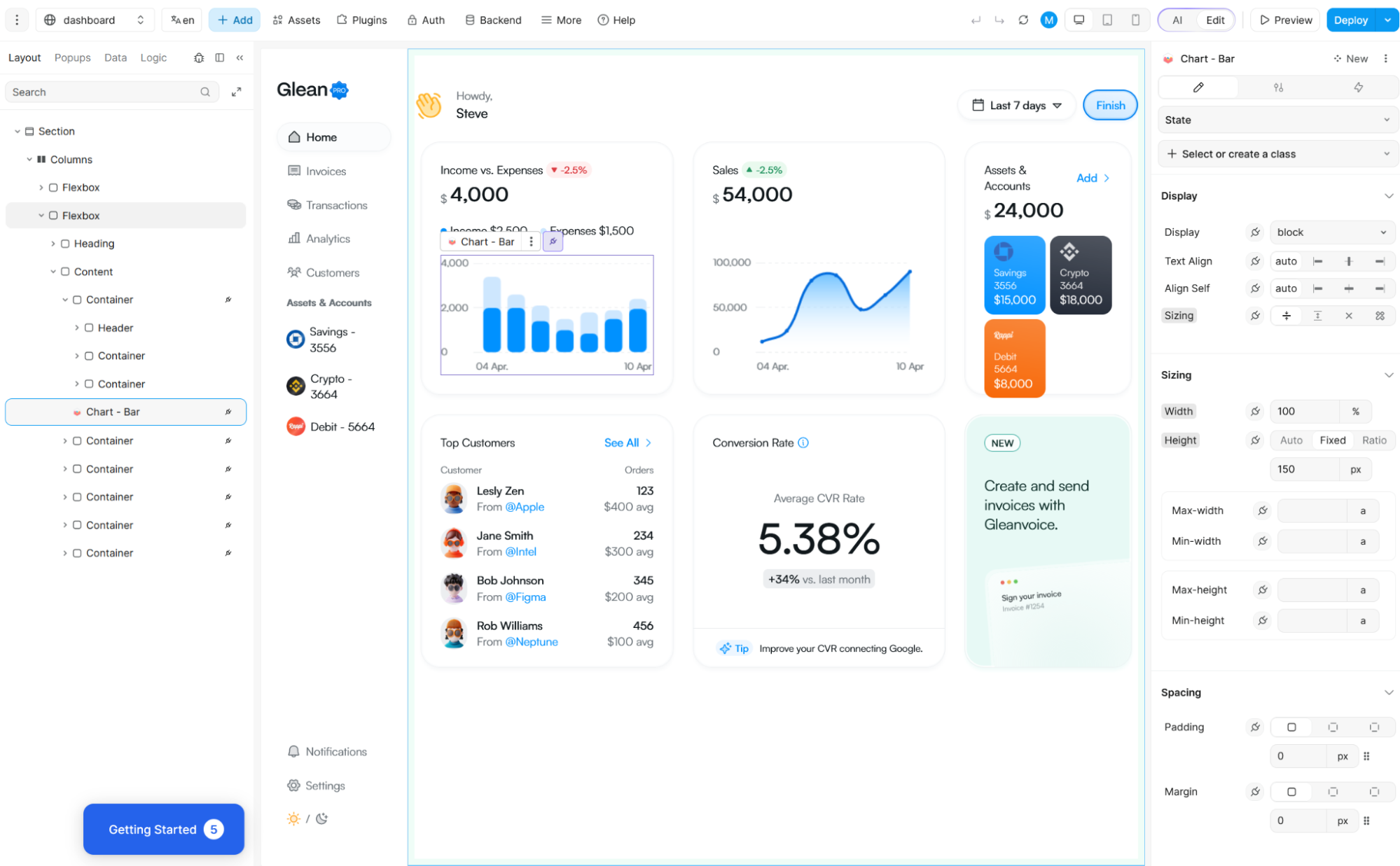
No-code developers excel at building:
-
Internal dashboards
-
CRMs and admin panels
-
Workflow automation
-
Marketing and sales tools
-
Client portals
These tools boost productivity without engineering overhead.
6. Access to a Wider Talent Pool
Finding experienced traditional developers is competitive and expensive. No-code opens the door to a growing talent ecosystem.
When you hire no-code developers, you get:
-
Faster onboarding
-
Specialists in automation and integrations
-
Builders focused on business outcomes, not just code
This shift aligns development with business goals.
7. Business-Led Development, Not Code-Led
Traditional development often revolves around what’s “technically possible.” No-code flips the model.
No-code developers focus on:
-
Solving real business problems
-
Delivering features users actually need
-
Rapid iteration based on results
The outcome? Products that work—not just products that compile.
When Traditional Development Still Makes Sense
No-code isn’t a replacement for everything. Traditional developers are still needed for:
-
Highly complex systems
-
Custom algorithms or heavy computation
-
Low-level infrastructure work
However, for 80% of business applications, no-code is faster, cheaper, and smarter.
Final Thoughts
Businesses today value speed, flexibility, and ROI more than ever. That’s why they’re choosing to hire no-code developers instead of traditional developers.
Whether you’re launching a startup, automating workflows, or building internal tools, no-code development helps you move faster—without sacrificing quality.
👉 Looking to build smarter and faster? Hire No-Code Developers and turn ideas into products—without the complexity.


 Harjai Talent
 Bradley Parker