Jenna Thorne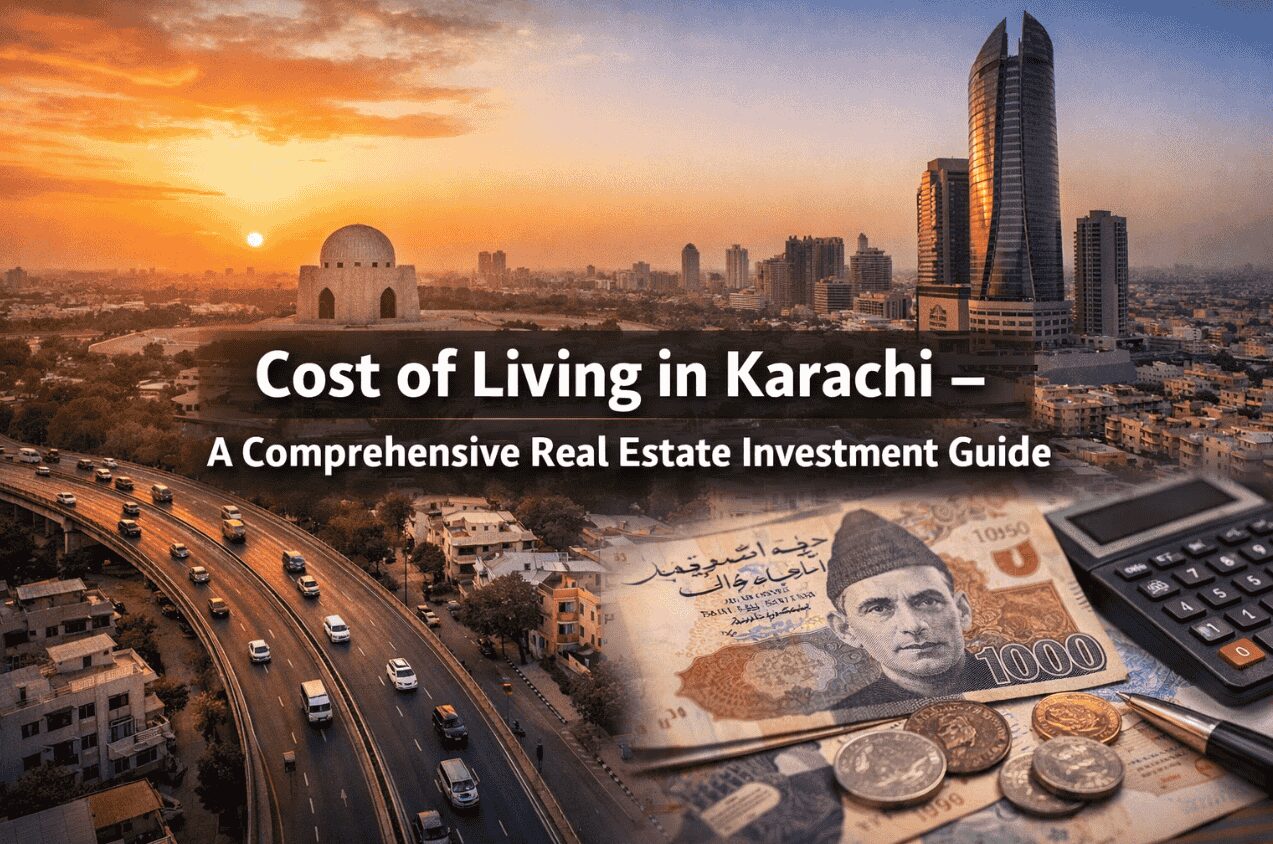
Karachi, the commercial heart of Pakistan and one of South Asia’s fastest‑growing megacities, draws attention not just as a place to live but as a strong real estate investment hub. With its diverse economy, rising population, and almost constant urban development, understanding the cost of living in Karachi is essential for anyone considering relocating or investing in property here particularly in the residential market where demand for the best apartments in Karachi continues to grow.
In this blog, we’ll explore:
-
What constitutes the cost of living in Karachi today
-
How these living costs impact the real estate market
-
A detailed look at housing, rentals, and lifestyle expenses
-
Why Karachi real estate is attractive to investors
-
Areas to watch and types of properties gaining value
This guide is designed for expats, local investors, and anyone seeking a deeper, data‑driven understanding of living expenses in the city and how they align with property investment opportunities.
Understanding Karachi: A City of Opportunity
Karachi is Pakistan’s largest city and its main economic engine, home to over 14 million residents. It’s a key hub for finance, shipping, industry, and services and this broad economic base creates continuous demand for housing and commercial real estate. Its strategic coastal locations and growing urban population make it one of the most dynamic real estate markets in the region.
Living costs in Karachi are lower compared to many global cities, which makes it attractive for both residents and investors. According to Expatistan, estimated monthly living costs in Karachi are approximately:
-
₨363,448 for a family of four
-
₨153,332 for a single person
These estimates provide a general benchmark, although they rely on limited data and may vary depending on lifestyle and housing choices.
Cost of Living Breakdown
Housing & Rent
One of the biggest components of living expenses in any city is housing. Karachi’s real estate market is large and varied, ranging from high‑end luxury apartments to budget‑friendly rentals and this directly affects living costs.
Rent Examples
-
A 1‑bedroom apartment in the city centre averages around ₨31,028 per month
-
A 1‑bedroom outside the centre goes for roughly ₨19,882 per month
-
Larger 3‑bedroom units in premium areas can exceed ₨75,250 per month depending on location and amenities.
These figures highlight how renting affects household budgets. For families and long‑term residents, acquiring property instead of renting can provide stability and even savings over time particularly as rent inflation rises.
Investment Angle: Best Apartments in Karachi
Investors looking to capitalise on residential demand should consider premium properties in areas like DHA, Clifton, Bahria Town, and Gulshan‑e‑Iqbal where quality living spaces and amenities meet higher rental yields. Search terms like best apartments in Karachi consistently draw attention from renters and buyers alike, reflecting strong demand.
Luxury apartments or modern residential complexes in these areas often command higher rents but also retain better resale value as the city grows.
Finding a property that qualifies among the best apartments in Karachi means focusing on:
-
Location and connectivity
-
Security and facilities
-
Proximity to schools, shops, and business districts
-
Rental potential compared to purchase price
Food & Daily Expenses
Apart from housing, everyday living costs are another key part of budgeting. With Karachi’s relatively low food costs compared to Western and other Asian cities, residents stretch their purchasing power further.
Expatistan’s detailed price list shows prices for typical items like:
-
₨754 for a basic lunch menu
-
₨990 for a combo meal
-
₨457 for 500g of chicken
-
₨220 for 1 litre of milk
Utilities like electricity, gas, and internet also remain reasonable although usage patterns in summer (due to air‑conditioning) can spike electricity bills.
These moderate living costs make Karachi especially compelling for expatriates, remote workers, and young professionals, which in turn fuels rental demand and benefits investors.
Transportation and Daily Essentials
Public transport in Karachi is relatively cheap compared to Western cities:
-
A monthly public transport pass can cost around ₨3,148
-
Short taxi trips typically range around ₨1,258
While many residents opt for personal vehicles, public systems and ride‑sharing services help keep costs down for everyday commuters.
Again, these lower living costs attract newcomers to the city, including foreign professionals and returnees, which boosts demand for quality housing especially well‑located best apartments in Karachi.
Why Karachi’s Real Estate is Attractive for Investors
1. Affordable Cost of Living Equals More Disposable Income
A relatively low cost of living supports personal saving and investment. Residents often spend a smaller percentage of their earnings on essentials compared to many global cities, leaving more budget for housing and quality lifestyles. This dynamic encourages demand for better residential properties and enhances the rental market.
Investors can leverage this by acquiring properties that appeal to middle and upper‑middle class tenants who seek modern amenities and convenient locations.
2. Population Growth & Urban Migration
Karachi continues to attract internal migrants from across Pakistan due to better job opportunities and economic prospects. This steady influx sustains continual demand for housing, particularly rental units and mid‑range residential buildings.
Because of this, rental yields in prime sectors often outperform many other South Asian cities. Well‑positioned properties that qualify among the best apartments in Karachi often enjoy low vacancy rates and high rental appreciation.
3. Diverse Real Estate Market
From standalone homes to high‑rise apartment complexes, Karachi offers something for every investor. High‑end projects in DHA and Clifton compete with more affordable, middle‑income developments across the city. Local developers increasingly focus on mixed‑use properties that combine residential living with retail and lifestyle spaces a trend that boosts long‑term value.
Future developments in smart infrastructure and community‑focused residential zones will continue to raise property value, especially for the best apartments in Karachi that deliver lifestyle benefits.
4. Potential for Capital Appreciation
While rent provides ongoing income, capital appreciation remains a significant advantage. Karachi’s real estate has historically maintained strong value, with land prices in sought‑after areas increasing steadily over time. Investing strategically particularly in areas with strong infrastructure growth can lead to significant returns.
Challenges to Consider
While the outlook is generally positive, no investment guide is complete without acknowledging risks.
Inflation and Currency Fluctuations
Pakistan has experienced periods of inflation and exchange rate volatility, which can affect overall living costs and investment returns. For example, rising utility and fuel prices can offset rental yields and impact net profitability if not adequately factored into investment plans.
Infrastructure and Utility Quality
While Karachi has modern developments, some areas still face challenges in infrastructure, such as power outages or inconsistent water supply. Investors should weigh these factors when selecting properties and budgeting for operational expenses.
Prime Areas for Real Estate Investment
Here’s a quick overview of some of Karachi’s most sought‑after residential investment zones:
DHA (Defence Housing Authority)
Known for secure neighbourhoods and high‑end living, DHA remains one of the most desirable locations for both buyers and renters. Properties here often rank among the best apartments in Karachi and deliver strong rental yields.
Clifton
Clifton’s seaside location and upscale lifestyle options make it a magnet for affluent professionals and expatriates. Demand for best apartments in Karachi here remains consistently high.
Bahria Town Karachi
A planned community with modern amenities, Bahria Town is attractive for families and investors alike. Well‑designed residential blocks and growing commercial areas add to its investment appeal.
Gulshan‑e‑Iqbal & North Nazimabad
These areas combine relatively affordable housing with access to schools, shops, and transit. They’re suitable for investors targeting middle‑income renters looking for comfort and convenience.
Investment Tips for Readers
Know Your Budget
Evaluate how much you’re willing to spend and what rental yield or future value growth you expect.
Focus on Quality
Properties that qualify among the best apartments in Karachi command higher rents and retain value more effectively.
Understand Local Regulations
Taxation, transfer fees, and ownership regulations impact investment outcomes. Always work with local legal and real estate professionals.
Demand Trends
Track rental and sales trends areas near universities, business centres, and transit routes often outperform others.
Diversify
Consider a mix of residential projects from entry‑level apartments to luxury units to balance risk and returns.
Conclusion
Karachi’s real estate market is a world of opportunity for savvy investors. Its comparatively affordable cost of living helps fuel residential demand, while rising urbanisation continues to support rental markets. Understanding the cost of living in Karachi, from housing and groceries to transportation and utilities, gives investors a realistic picture of how property values and rental demand interact.
By targeting strategic locations and focusing on quality especially properties that people search for when they look for the best apartments in Karachi investors can position themselves for both steady rental income and long‑term capital appreciation.

 Roll Offs Roll Offs
 Prime Property Hub