Amar Unal
When someone asks, “What does Middle Eastern food taste like?” the simplest answer is this: it’s warm, aromatic, and deeply flavorful — without being overwhelmingly spicy.
The food here isn’t about extreme heat or heavy sauces. Instead, it’s built around fragrant spices, grilled meats, fresh dairy, and careful seasoning. The flavors feel rich, but balanced. Bold, but not overpowering.
Across Arab countries, the foundation stays fairly consistent: quality ingredients, halal meat preparation, regional cheeses, and traditional cooking methods that bring out natural flavor instead of masking it.
The Core Flavor Profile of the Middle Eastern Food
Middle Eastern cuisine has a recognizable character. You’ll often notice:
- Warm spice blends like baharat, cumin, and coriander
- Subtle floral hints of cardamom or saffron
- Smoky notes from charcoal-grilled meats
- Creamy yogurt-based sides like labneh
- Salty white cheeses such as Halloumi and Akkawi
The result isn’t sharp or fiery. It’s layered. Instead of one strong hit of spice, flavors build gradually. Many dishes are slow-cooked or carefully marinated, allowing seasoning to soak in rather than sit on top.
It All Starts with the Ingredients
🌶️ Spices
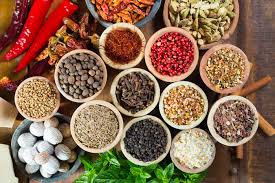
Spices are at the heart of the region’s flavor. Blends like baharat bring warmth. Sumac adds a gentle tang. Za’atar introduces an earthy, herbal kick. Saffron gives rice dishes aroma and a slightly sweet note.
That’s why Middle Eastern food is often described as “aromatic” rather than spicy. The goal isn’t heat — it’s depth.
🧀 Cheeses & Dairy
Dairy plays a big role in balancing flavors. Labneh, yogurt sauces, and salty white cheeses add creaminess and contrast to grilled meats and breads.
Cheeses like Halloumi are often grilled, giving them a crispy outside and soft center. Others, like Akkawi, are mild but salty, pairing well with both savory and sweet dishes.
The tang from yogurt-based sauces helps lighten heavier meals, creating that signature balance the region is known for.
🍖 Meats
Halal preparation is central to the cuisine. Lamb and chicken are especially popular, usually marinated in spices like cumin, coriander, and shawarma seasoning before being grilled or slow-cooked.
Charcoal grilling is common, which adds a smoky flavor you’ll recognize across the region. The meat is flavorful, but not aggressively spiced — it’s seasoned to enhance, not overpower.
Regional Differences (But a Shared Identity)
While the overall flavor profile is similar, there are subtle differences from country to country.
In the Gulf, you’ll often find dishes built around saffron rice and aromatic spice blends like machboos, with slightly deeper warmth.
Levantine cuisine leans fresher — more olive oil, more herbs, more tangy yogurt notes.
North African food sometimes brings a touch of sweetness into its spice combinations, creating a slightly richer warmth.
Even with these variations, the common thread remains the same: warm spices, grilled meats, balanced seasoning, and layered flavor.
Global Chains Adapts to the Tastes
Because local preferences favor bold yet balanced flavors, many international brands adjust their menus to match regional expectations.
For example, Pizza Hut in Qatar has introduced items featuring spiced chicken toppings, shawarma-inspired flavors, and richer cheese blends tailored to Gulf tastes. It’s a good example of how global brands adapt without losing consistency.
Final Thoughts
Middle Eastern food is aromatic, savory, and carefully layered. It’s not about intense heat — it’s about warmth, balance, and depth.
From traditional home kitchens to modern restaurants, the core elements remain the same: fragrant spice blends, halal meats, regional cheeses, and flavors designed to feel comforting while still being bold.
It’s food that invites you in slowly — and keeps you coming back for another bite.


 Henry Maxxis
 Prasanna Kadam