Rohit Verma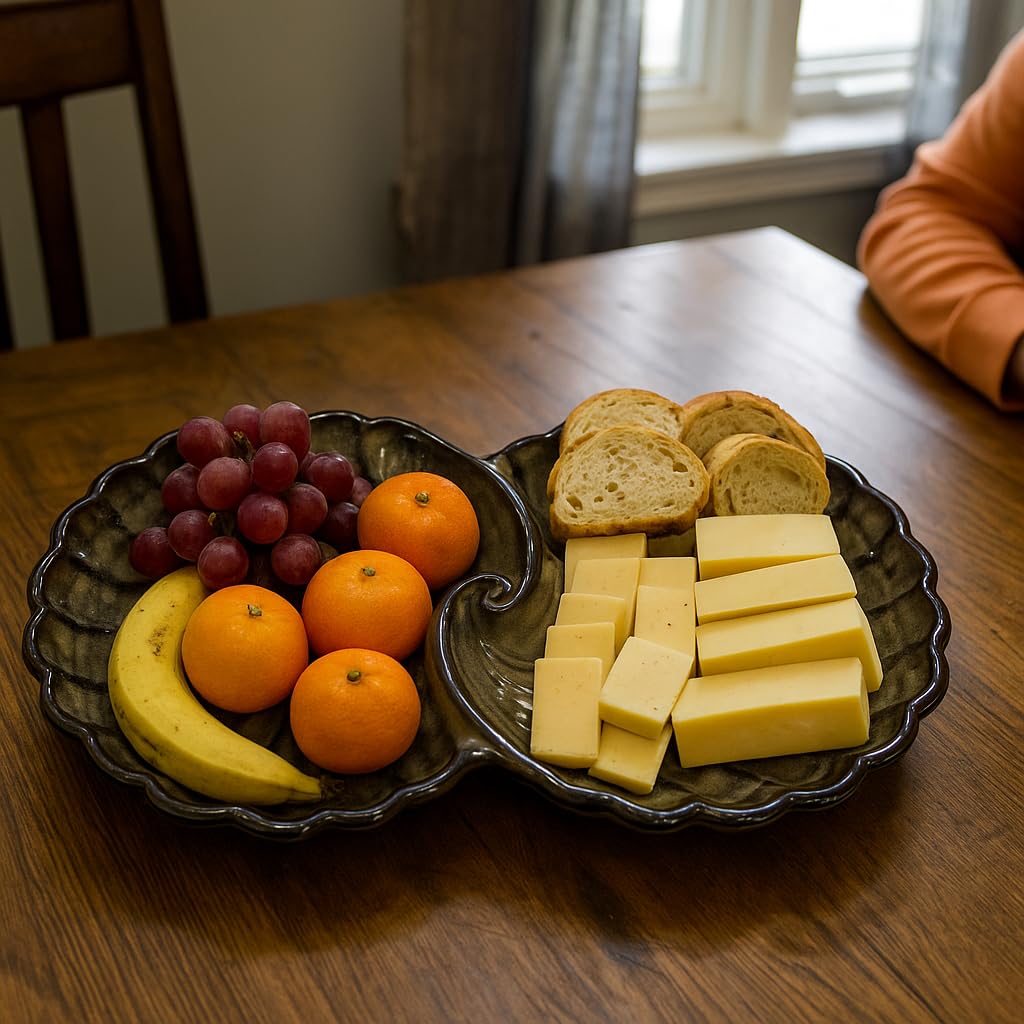
A beautiful serving platter set can completely transform the way you serve food. Whether you’re hosting guests, celebrating festivals, or enjoying family meals, serving platters make presentation easier, neater, and more elegant. But like any kitchen essential, they need proper care to stay in great condition for years.
Many people invest in stylish serving platters but don’t always know how to maintain them properly. Over time, scratches, stains, dullness, or even cracks can appear — not because the platter is low quality, but simply because of everyday wear and improper handling.
The good news? Taking care of your serving platter set doesn’t require complicated steps. A few simple habits can help preserve its shine, durability, and appearance for a long time. Let’s go through practical, real-life tips to keep your serving platter set looking as beautiful as the day you bought it.
Why proper care of a serving platter set matters
Serving platters are more than just dishes — they’re presentation pieces. They hold your food, enhance your table setting, and often become the center of attention during gatherings.
Proper maintenance helps you:
-
Preserve the platter’s shine and finish
-
Prevent scratches and stains
-
Avoid cracks and damage
-
Maintain hygiene and safety
-
Extend the lifespan of the serving platter set
A well-maintained serving platter set doesn’t just last longer — it continues to make every meal look special.
Know your serving platter material first
Before discussing cleaning methods, it’s important to know what material your serving platter set is made of. Different materials need different care.
Common serving platter materials include:
-
Ceramic or porcelain
-
Glass
-
Wood
-
Stainless steel or metal
-
Melamine
Each one reacts differently to heat, moisture, and cleaning products. Understanding the material helps you choose the right maintenance routine.
Clean your serving platter set after every use
One of the simplest but most effective habits is cleaning your serving platter set immediately after use.
Leaving food residue on platters for long periods can cause stains, odors, or buildup that becomes harder to remove later. Even if the platter looks clean, oils and sauces may leave invisible marks.
Use warm water and mild dish soap to wash the platter gently. This prevents grease from settling and keeps the surface smooth and hygienic.
Use gentle cleaning tools
Scratches are one of the most common problems people face with serving platters. Many of these scratches happen because of harsh cleaning tools.
Avoid:
-
Steel scrubbers
-
Rough sponges
-
Abrasive cleaning powders
Instead, use:
-
Soft sponges
-
Microfiber cloths
-
Gentle dish brushes
Gentle cleaning protects the finish and keeps your serving platter set looking polished.
Handle with care to prevent chipping and cracks
Serving platters are often large and slightly heavy, which makes them more prone to accidental drops or bumps.
Always hold platters securely with both hands when carrying them. Avoid placing heavy items on top of them, especially when stacked.
When storing your serving platter set, don’t stack too many pieces directly on top of each other without protection. Placing a soft cloth, paper towel, or felt separator between platters helps prevent scratches and chips.
Avoid sudden temperature changes
Many serving platters, especially ceramic and glass ones, are sensitive to sudden temperature shifts.
For example, placing a hot platter directly under cold water can cause cracks. Similarly, moving a platter straight from the refrigerator to a hot oven can damage it.
Always allow platters to adjust gradually to temperature changes. This small step can significantly extend the life of your serving platter set.
Dry thoroughly after washing
Water spots and moisture buildup can dull the shine of your serving platter set over time. Some materials, like wood or metal, may even develop stains or damage if left wet.
After washing, dry the platters with a clean, soft cloth. Avoid air-drying in humid environments, as trapped moisture can affect the surface.
Drying properly keeps your serving platter set looking spotless and fresh.
Special care tips for different materials
Since serving platter sets come in various materials, here are some specific care tips.
Ceramic and porcelain platters
-
Avoid sudden temperature changes
-
Handle gently to prevent chipping
-
Use mild soap for cleaning
Glass serving platters
-
Wash carefully to prevent breakage
-
Avoid stacking too tightly
-
Polish occasionally for extra shine
Wooden serving platters
-
Never soak in water for long
-
Dry immediately after washing
-
Occasionally apply food-safe oil to maintain finish
Metal serving platters
-
Dry thoroughly to prevent water marks
-
Avoid harsh chemical cleaners
-
Polish occasionally if needed
Melamine serving platters
-
Avoid extremely high heat
-
Clean with gentle detergent
-
Do not use abrasive scrubbers
Knowing these small differences makes maintenance much easier.
Store your serving platter set properly
Storage plays a big role in long-term durability. Even perfectly cleaned platters can get damaged if stored incorrectly.
Choose a clean, dry cabinet with enough space. Avoid overcrowding shelves, as tightly packed platters can rub against each other and cause scratches.
If possible, store large serving platters vertically or with protective layers between them.
Remove stains promptly
Certain foods like tomato sauce, oil, spices, or desserts can leave stains if not cleaned quickly. If you notice stains, treat them immediately.
For mild stains, warm water and soap usually work. For tougher stains, a gentle baking soda paste can help lift marks without damaging the surface.
Prompt cleaning prevents permanent discoloration.
Avoid using serving platters for unintended purposes
A serving platter set is designed for presenting and serving food, not for heavy-duty kitchen tasks.
Avoid using platters as chopping boards, hot pans stands (unless designed for heat), or storage for non-food items. Using them beyond their purpose can damage their surface and structure.
Regular inspection helps prevent long-term damage
Every now and then, check your serving platter set for:
-
Small cracks
-
Loose glaze
-
Chips on edges
-
Persistent stains
Fixing minor issues early or replacing damaged pieces prevents further damage and ensures safety during use.
Occasional polishing for extra shine
If your serving platter set looks slightly dull after long use, a gentle polish with a soft cloth can restore its shine. For glass or metal platters, occasional polishing enhances their appearance and keeps them looking new.
Final thoughts
A serving platter set is more than just tableware — it’s part of how you present food, welcome guests, and create memorable dining experiences. With proper care and maintenance, your serving platter set can stay beautiful, functional, and durable for many years.
Simple habits like gentle cleaning, careful handling, proper storage, and timely maintenance make all the difference. Taking a little extra care ensures your platters remain ready for every meal, celebration, and special moment.
After all, when your serving platter set looks its best, every dish you serve feels a little more special.


 Transfer Chemical
 Lenvitz 71