Jitanshu Parkash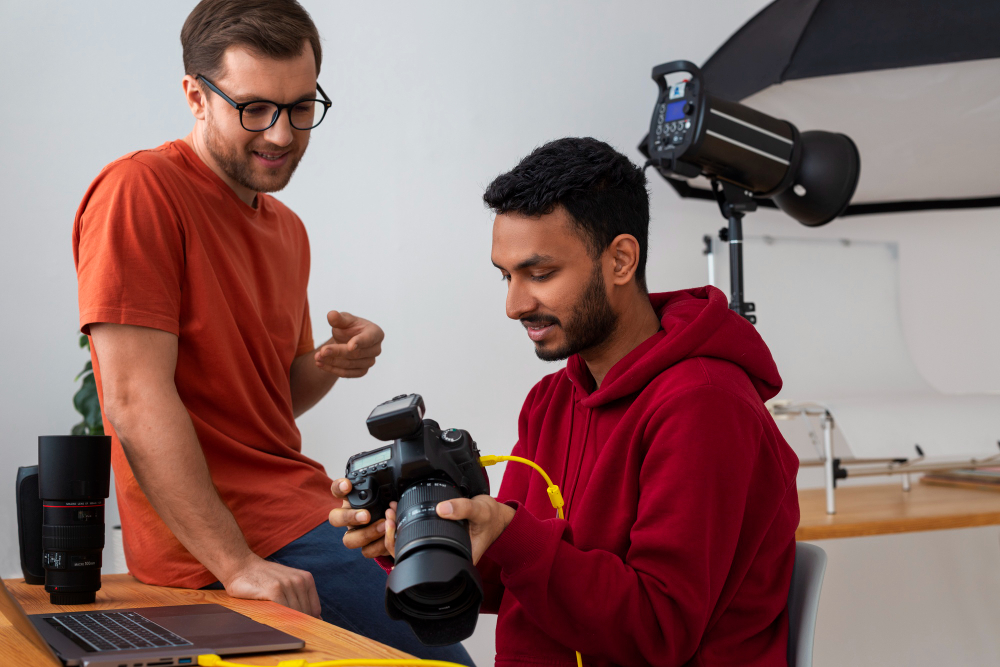
Cinema today goes far beyond theatre releases. It thrives on OTT platforms, web series, short films, documentaries, and digital campaigns. For students who want to build a career in storytelling and visual media, a ba film making program offers structured, industry-focused training.
If you are considering enrolling in a ba in film, this guide explains the subjects, practical training, learning model, and professional skills you develop during the program.
About the B.A. (Cinema) Program
The B.A. (Cinema) is a 3-year integrated undergraduate program designed to train students across the entire filmmaking process from storytelling and production to post-production and exhibition. Students also have the option to pursue a fourth year for honors or advanced research.
Program structure:
Duration:
- 3 years – B.A. (Cinema)
- 4 years – B.A. (Cinema with Hons.)
Credits:
- 120 credits for B.A. (Cinema)
- 160 credits for B.A. (Cinema with Hons./Hons. with Research)
Start Date: August 2026
Number of Specialisations: 4
The program emphasizes hands-on studio work, live film projects, workshops, and industry engagement. It blends creativity with professional discipline.
Core Subjects in a BA Film Making Program
A structured ba film making curriculum ensures you understand both theory and practice.
History & Foundations of Cinema
This subject builds a strong conceptual foundation by covering:
- Evolution of world cinema
- Indian cinema history
- Film movements and genres
- Screen language and aesthetics
Understanding cinema history strengthens storytelling vision and analytical thinking.
Cinematography & Visual Storytelling
Cinematography trains students in the art and science of visuals.
Key learning areas include:
- Camera operation
- Lighting design
- Frame composition
- Lens selection
- Visual continuity
Students master cinematography techniques while understanding how visuals communicate emotion and narrative depth.
Editing & post-production
Editing shapes raw footage into a compelling story.
Students learn:
- Editing fundamentals and advanced techniques
- Pacing and rhythm
- Continuity editing
- Post-production workflow
- Software like Adobe Premiere Pro and Avid Media Composer
Editing builds precision and narrative control.
Sound & Music Design
Sound enhances realism and emotional engagement.
The course covers:
- Sound recording techniques
- Audio mixing
- Foley creation
- Background scoring
- Sound design integration
Students learn how audio complements visual storytelling.
Script Analysis & Direction
A strong ba in film program focuses heavily on storytelling craft.
Students are trained to:
- Analyze scripts
- Break down scenes
- Direct actors
- Apply acting techniques
- Structure narrative flow
This builds confidence in creative leadership roles.
OTT & Digital Content Creation
With the rise of streaming platforms, modern filmmaking demands digital fluency.
Students learn to:
- Create OTT-ready content
- Structure web series narratives
- Develop digital-first storytelling
- Understand audience engagement trends
This ensures adaptability in evolving media landscapes.
Learning Pedagogy: Six Pillars
The ba film making program is designed around six major learning pillars:
- Experiential Learning – Learning through real-world film projects and studio sessions.
- Mentorship Model – Guidance from experienced faculty and industry mentors.
- Peer Review Culture – Constructive critique sessions to improve work quality.
- Industry Integration – Workshops and collaborations that reflect professional practices.
- Project-Based Learning – Assignments structured around real production challenges.
- Hands-on Practice – Continuous exposure to cameras, studios, editing suites, and sound labs.
This model helps students move beyond theory into applied expertise.
Professional Infrastructure and Industry Exposure
Industry exposure is critical in a ba in film degree.
Students gain access to:
- Professional film and TV studios
- Editing and sound labs
- VFX facilities
- In-house production house
Students create short films, web content, and digital projects within professional environments.
Participation in film festivals, industry mentorship programs, and international collaborations builds confidence and visibility.
Learning Outcomes
By completing a ba film making program, students are able to:
- Master cinematography techniques, including lighting design and camera operation.
- Develop advanced editing skills using industry-standard tools.
- Craft compelling stories through script analysis and actor direction.
- Create OTT and digital-first content for contemporary audiences.
- Collaborate effectively in teams and manage projects from concept to completion.
- Plan productions with budgeting, scheduling, and distribution strategies.
- Apply entrepreneurial skills to launch independent projects confidently.
Assessment Structure
The assessment framework evaluates both creative and professional growth.
Students are assessed through:
- Practical film projects
- Editing and sound exercises
- Written exams
- Oral presentations
- Industry simulations such as pitching and budgeting
The program concludes with a Capstone Showcase, where students present final films or digital projects to a faculty-student jury.
This comprehensive system blends imagination with execution discipline.
Career Opportunities After BA Film Making
Graduates of a ba film making degree can pursue:
- Director
- Assistant Director
- Cinematographer
- Editor
- Sound Designer
- OTT Content Creator
- Screenwriter
- Production Manager
As OTT platforms and digital media expand, skilled filmmaking professionals continue to be in demand.
Is BA in Film the Right Choice?
A ba in film is ideal for students who:
- Are passionate about storytelling
- Enjoy visual creativity
- Work well in teams
- Want practical learning exposure
- Are open to continuous improvement
Filmmaking demands dedication, collaboration, and professional discipline. With proper training and persistence, the degree can open meaningful career pathways.
Final Thoughts
A well-structured ba film making program trains students across storytelling, production, post-production, and exhibition while emphasizing hands-on experience and industry engagement.
If you aim to build a career in cinema, OTT, or digital storytelling, a ba in film provides the creative, technical, and managerial skills required to thrive in today’s competitive media environment.
FAQs
1. What subjects are included in a BA Film Making program?
A: A ba film making program includes subjects like cinematography, editing, sound design, script analysis, film history, production management, and OTT content creation, providing comprehensive training across filmmaking stages.
2. What skills do students develop in a BA in Film degree?
A: In a ba in film degree, students develop storytelling skills, camera operation expertise, editing proficiency, sound design understanding, project management abilities, and collaborative teamwork skills.
3. Is BA Film Making suitable for digital and OTT careers?
A: Yes, a ba film making program includes OTT and digital content modules, preparing students to create streaming content and adapt to evolving digital media trends.


 Raja Ganapathi
 David Wilson