Saa linko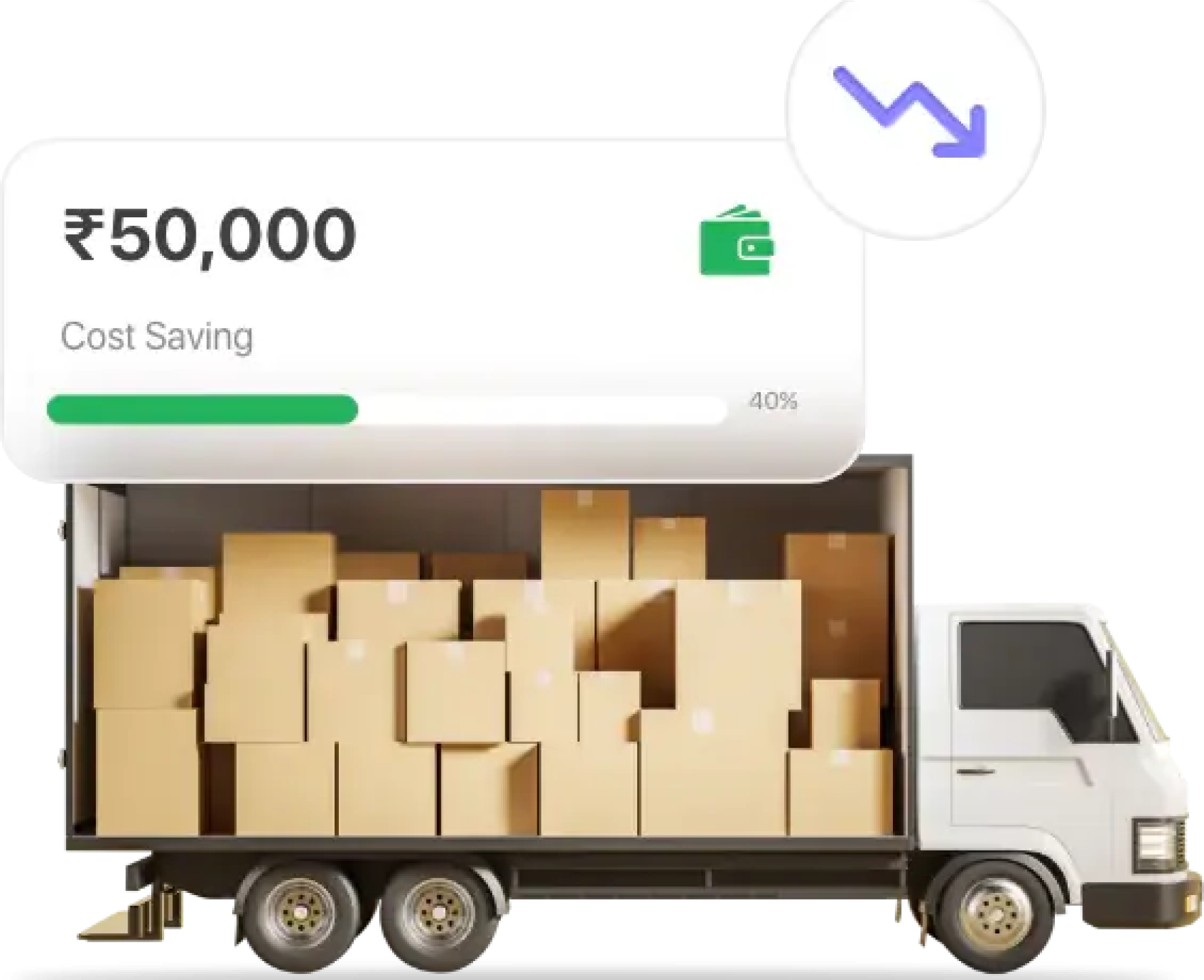
Modern commerce moves at a brutal pace. Customers expect quick deliveries, seamless tracking, hassle-free returns, and accurate updates—without excuses. If your logistics system is slow or disorganized, your growth will stall no matter how strong your marketing is. Shipping is no longer a backend function; it directly impacts profitability, retention, and brand perception.
A courier aggregator brings structure to this chaos. Instead of managing different courier companies individually, businesses can access multiple delivery partners through one integrated platform. A courier aggregator allows sellers to compare rates, delivery timelines, and serviceability zones in real time, ensuring smarter decision-making for every shipment.
The real power of a courier aggregator lies in optimization. Rather than manually assigning shipments, the system evaluates performance metrics, pin code coverage, parcel weight, and cost efficiency before selecting the best courier. This reduces delivery delays, lowers RTO rates, and improves overall operational efficiency. If you are still allocating shipments based on guesswork, you’re leaking money.
The Logistics Problem Most Businesses Ignore
Many sellers assume that signing up with one reputed courier company is enough. It isn’t. Different couriers perform differently across regions. One may dominate urban areas but struggle in rural zones. Another may offer cheaper rates but higher failed delivery attempts.
Without diversification and data-backed allocation, you expose your business to avoidable risk. A centralized system removes dependency on a single courier partner and distributes shipments intelligently. This flexibility strengthens delivery consistency and safeguards customer experience.
Operational Efficiency Through Centralization
Managing separate dashboards for each courier wastes time. Tracking disputes, reconciling COD payments, printing labels manually, and handling NDR updates become operational bottlenecks as volume increases.
With an integrated shipping platform, all these tasks are handled from one dashboard. Bulk order processing, automated label generation, centralized tracking updates, and structured return management eliminate unnecessary manual work. Instead of expanding your operations team, you scale through systems.
Platforms like shipclues make this possible by consolidating multiple courier networks into a single operational framework. This allows businesses to maintain control while benefiting from competitive shipping rates and broader coverage.
Cost Optimization Without Compromising Service
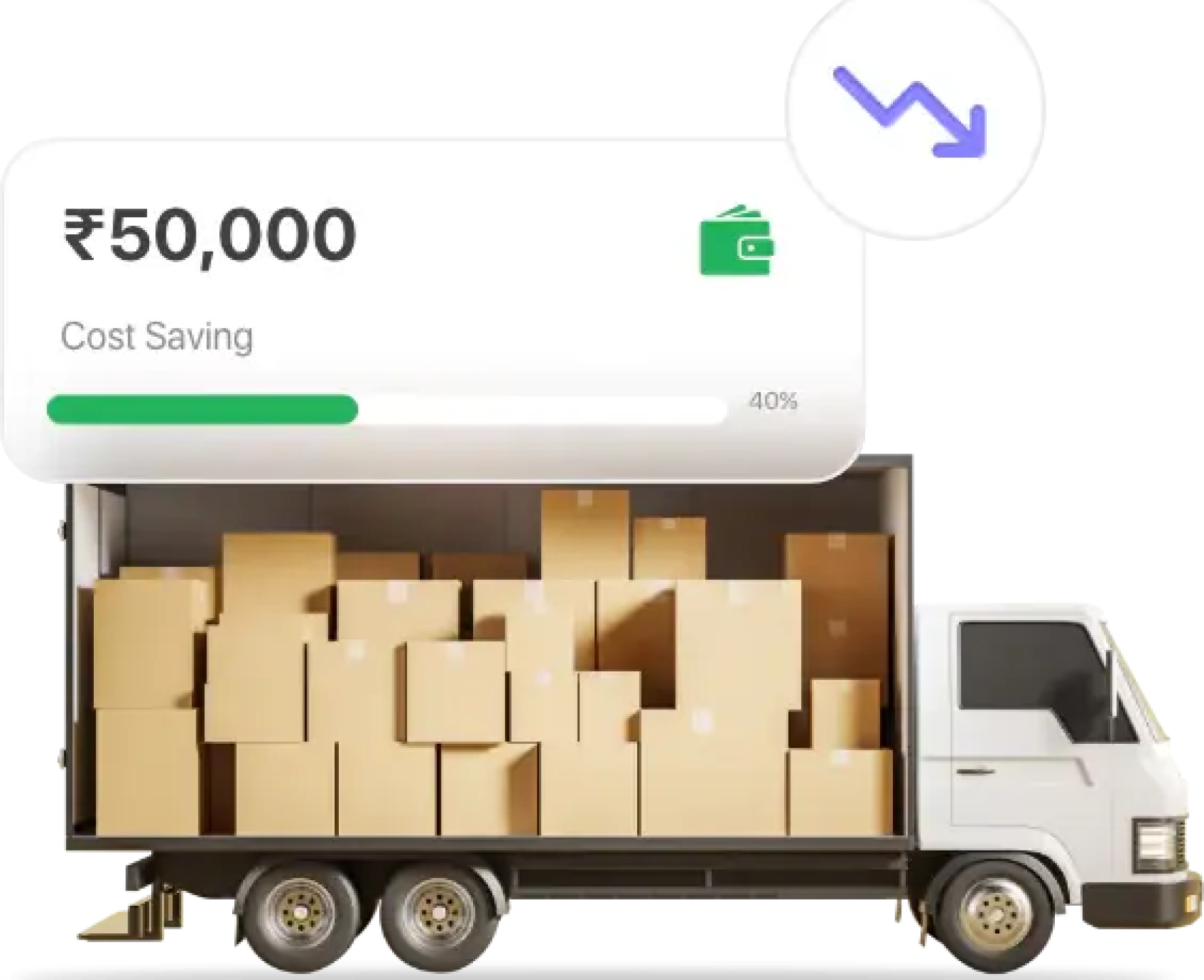
Shipping costs can quietly erode margins. If you negotiate individually with courier companies, your leverage is limited—especially at moderate shipment volumes. Aggregated platforms combine shipping volumes from multiple sellers, unlocking better pricing structures.
But cost alone shouldn’t drive decisions. The cheapest courier isn’t always the best. A courier aggregator balances price with performance metrics, ensuring that low cost doesn’t come at the expense of delivery success.
Smart allocation leads to:
-
Reduced RTO percentages
-
Faster average transit times
-
Improved delivery success rate
-
Lower customer complaints
Over time, these improvements directly increase profitability.
Real-Time Visibility Builds Customer Trust
Customers want transparency. When they place an order, they expect regular updates without chasing support teams. Poor tracking communication increases frustration and refund requests.
A centralized logistics platform provides automated tracking notifications, status updates, and clear delivery timelines. This reduces “Where is my order?” queries and improves the overall buying experience. Transparency isn’t optional—it’s expected.
Reverse Logistics: The Silent Growth Factor
Returns are part of eCommerce reality. Ignoring reverse logistics efficiency is a strategic mistake. Slow return pickups and refund delays damage brand credibility.
A structured system handles NDR updates, return pickups, and refund workflows within one dashboard. Businesses can monitor performance and identify high-return regions or problematic delivery patterns. Efficient reverse logistics strengthens customer retention and long-term loyalty.
Data-Driven Decisions Beat Assumptions
If you’re not analyzing logistics data, you’re operating blindly. Shipping performance should be measured just like marketing performance.
A centralized dashboard provides actionable insights such as:
-
Courier-wise delivery performance
-
Region-wise success rates
-
Average shipping cost per order
-
RTO trends
-
Transit time comparisons
This data allows businesses to continuously refine their logistics strategy instead of relying on assumptions.
Scalability Without Structural Breakdown
Growth multiplies complexity. Handling 100 orders manually might work. Handling 1,000 without automation will break your operations.
A courier aggregator enables seamless scaling through API integrations, automated courier allocation, and bulk shipment processing. As order volume grows, operational complexity remains controlled. This creates a stable foundation for expansion into new markets and product categories.
Who Should Adopt This Model?
-
Fast-growing D2C brands
-
Marketplace sellers managing daily bulk orders
-
Manufacturers distributing nationwide
-
Subscription-based eCommerce businesses
-
Startups preparing for aggressive scaling
If logistics plays a significant role in your business model, relying on outdated manual processes is reckless.
Common Strategic Mistakes
-
Prioritizing only low shipping cost
-
Ignoring regional delivery performance data
-
Failing to monitor RTO patterns
-
Over-relying on a single courier partner
-
Delaying automation until operations collapse
Shipping isn’t just about parcel movement. It’s about margin protection, operational stability, and brand reputation.
The Competitive Edge of Smart Logistics
Businesses that invest in centralized logistics early build a long-term advantage. Efficient shipping reduces operational stress, improves customer satisfaction, and supports aggressive growth strategies.
Structured systems replace chaos with predictability. When logistics becomes optimized, everything else—from marketing ROI to repeat purchase rate—improves.
Conclusion
Sustainable growth demands operational discipline. Businesses that streamline logistics, automate workflows, and use data for decision-making build stronger foundations for long-term success. In competitive markets, efficiency separates scalable brands from stagnant ones. Optimized shipping systems are no longer a luxury—they are a necessity for serious businesses.


 Wicked Tees of Boston
 Design Place