Abhijit Biswas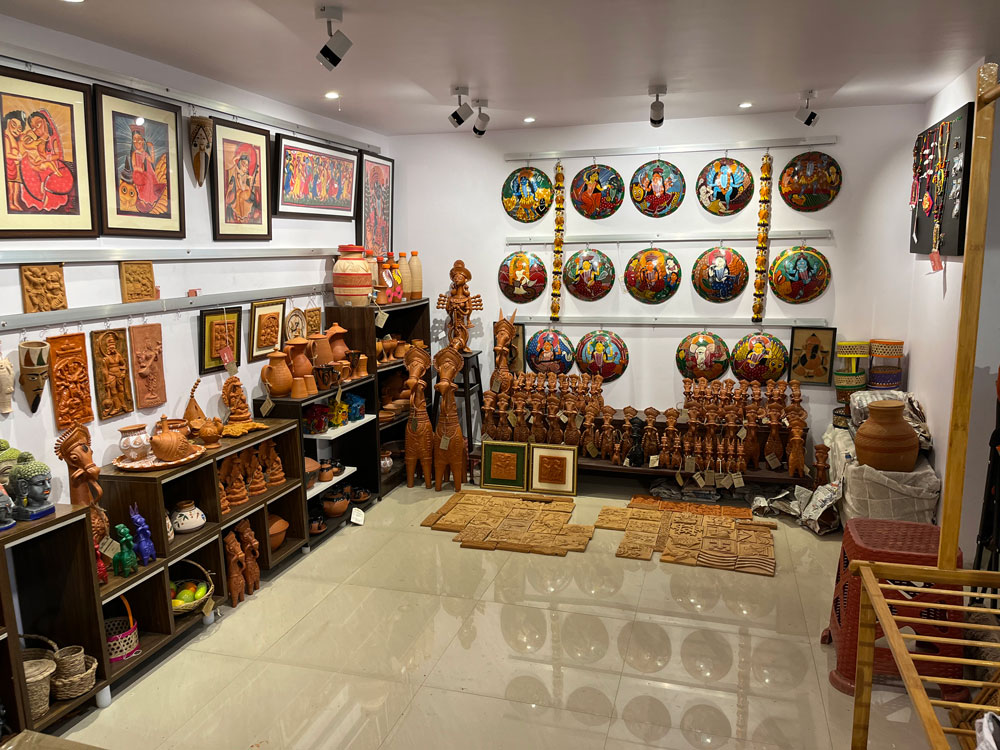
Famous Handicrafts Of West Bengal represent a living legacy of art, culture, and craftsmanship that has evolved over centuries. These crafts are not just decorative objects; they are powerful expressions of identity, tradition, and community life. From intricately woven silk sarees to iconic terracotta sculptures, West Bengal stands as one of India’s most culturally vibrant craft hubs.
If you have ever wondered what makes Bengal’s handicrafts so admired across India and abroad, this in-depth guide will walk you through their history, uniqueness, economic importance, and continued relevance in modern times.
Overview Of Famous Handicrafts Of West Bengal
Handicrafts refer to products that are made primarily by hand using traditional techniques. Unlike factory-produced goods, handicrafts reflect human creativity, manual skill, and cultural storytelling.
West Bengal has a rich artisanal ecosystem supported by generations of skilled craftsmen and women. According to reports from the Ministry of Textiles and Development Commissioner (Handicrafts), India’s handicraft sector employs millions of rural artisans, with West Bengal being one of the key contributing states.
The Famous Handicrafts Of West Bengal can be broadly divided into:
- Textile and handloom crafts
- Clay and terracotta art
- Metal and bell metal work
- Natural fiber crafts
- Wood and bamboo crafts
Each region of the state contributes something unique. Let’s explore them in detail.
Textile-Based Handicrafts Of West Bengal
Textiles are the backbone of Bengal’s handicraft heritage. The state is globally known for its handloom traditions.
Baluchari Sarees
Baluchari sarees are luxurious silk sarees famous for their intricate mythological motifs woven into the pallu.
Baluchari means “village of Baluchar.” These sarees originated in the Bishnupur region and are known for:
- Depictions of scenes from the Ramayana and Mahabharata
- Rich silk fabric
- Detailed jacquard weaving
A single Baluchari saree can take several days to complete. Artisans carefully weave narrative scenes into the fabric, making each piece a wearable story.
These sarees are commonly worn at weddings and grand cultural events.
Tant Sarees
Tant sarees are lightweight cotton sarees ideal for West Bengal’s humid climate.
Tant means “loom.” These sarees are known for:
- Crisp texture
- Bright and contrasting borders
- Breathable cotton fabric
They are especially popular during festivals like Durga Puja. Unlike heavy silk sarees, Tant sarees are comfortable for daily wear while still maintaining elegance.
Kantha Embroidery
Kantha is a traditional form of hand embroidery that uses simple running stitches.
Originally, rural women stitched layers of old sarees together to create quilts. Over time, this sustainable practice evolved into a recognized art form.
Today, Kantha embroidery is used in:
- Sarees
- Dupattas
- Bedspreads
- Jackets
- Cushion covers
The designs often depict village life, animals, flowers, and folk tales. Each stitch tells a story.
Clay And Terracotta Crafts
The fertile soil of West Bengal makes it ideal for clay-based crafts. Terracotta art is one of the most iconic Famous Handicrafts Of West Bengal.
Bankura Horse
The Bankura horse is a symbolic terracotta sculpture from the Bankura district.
It is recognized for:
- Elongated neck
- Stylized ears
- Decorative patterns
Originally used in village rituals, the Bankura horse is now a popular home décor item and export product. It is considered a symbol of folk art in India.
Kumartuli Clay Idols
Kumartuli, a traditional potters’ quarter in Kolkata, is world-famous for clay idol making.
Artisans here create:
- Durga idols
- Kali idols
- Saraswati idols
The process includes building a bamboo framework, layering clay, sculpting details, and painting. These idols are shipped across India and even to international destinations for festival celebrations.
This craft reflects both devotion and artistic excellence.
Metal And Bell Metal Crafts
Metal craftsmanship in West Bengal dates back centuries.
Dokra Art
Dokra is a traditional metal casting technique that uses the lost-wax process.
The lost-wax process means the original wax model is melted away to create a mold for metal casting. Each piece is unique because the mold is destroyed after casting.
Dokra products include:
- Tribal figurines
- Jewelry
- Decorative items
This craft has roots tracing back thousands of years and is practiced by tribal communities in the region.
Natural Fiber And Eco-Friendly Crafts
Sustainability has always been part of Bengal’s craft tradition.
Sholapith Craft
Sholapith is made from the soft pith of a plant that grows in marshy areas.
It is commonly used for:
- Wedding headgear (topor)
- Religious decorations
- Festival ornaments
The material is lightweight and white, often compared to ivory.
Bamboo And Cane Craft
Bamboo and cane crafts are widely practiced in rural West Bengal.
Products include:
- Baskets
- Furniture
- Storage containers
- Decorative pieces
These crafts are eco-friendly and support rural employment. In today’s sustainability-focused world, such handmade natural products are gaining renewed popularity.
Why Famous Handicrafts Of West Bengal Matter Today
Handicrafts are not just traditional relics. They are economic drivers and cultural ambassadors.
They matter because:
- They provide livelihood to thousands of rural families
- They preserve centuries-old traditions
- They promote sustainable production
- They support women-led cottage industries
As consumers increasingly prefer handmade and eco-conscious products, these crafts have found global appreciation.
How These Handicrafts Are Made
Most handicrafts follow a traditional production process:
- Collection of raw materials
- Manual preparation
- Crafting or weaving
- Detailing and finishing
- Local sale or export
Unlike factory production, this process requires patience, experience, and generational knowledge.
For example, weaving a Baluchari saree requires skilled coordination of threads to create detailed motifs. Similarly, crafting a Dokra sculpture involves multiple stages of molding, heating, and polishing.
These are not quick processes. They are art forms refined over years of practice.
Challenges Faced By Artisans
Despite their cultural importance, artisans face several challenges:
- Competition from machine-made imitations
- Low profit margins due to middlemen
- Limited digital marketing exposure
- Declining interest among younger generations
Government schemes and craft fairs attempt to support artisans, but consumer awareness remains crucial.
When buyers choose authentic handmade products, they directly contribute to artisan sustainability.
How To Identify Authentic Handicrafts
If you are buying handicrafts, authenticity matters.
Here are practical tips:
- Check for Geographical Indication (GI) certification where applicable
- Observe slight irregularities, which indicate handmade work
- Buy from government-approved emporiums or artisan cooperatives
- Ask about the production process
Handmade items are rarely identical. Minor variations are signs of genuine craftsmanship.
What Is The Most Famous Handicraft Of West Bengal?
There is no single answer.
If we consider textiles, Baluchari and Tant sarees are iconic. If we consider terracotta, the Bankura horse stands out. If we look at embroidery, Kantha has international recognition.
Each craft represents a different cultural layer of Bengal.
How Do These Handicrafts Support The Economy?
Handicrafts boost rural income and reduce urban migration. They also contribute to India’s export sector.
Tourism plays a big role. Many travelers visit craft hubs to witness live demonstrations and purchase directly from artisans.
This direct-to-consumer model ensures better income distribution.
Cultural Significance Of West Bengal’s Handicrafts
Handicrafts are visual representations of cultural identity.
They reflect:
- Religious traditions
- Folk beliefs
- Social customs
- Historical narratives
During major festivals like Durga Puja, handcrafted decorations and idols become central to celebrations.
These crafts are woven into daily life.
Practical Real-World Example
Take Kantha embroidery as an example.
What started as a household recycling practice has now become a global fashion trend. Designers collaborate with rural artisans to create modern garments using traditional stitching techniques.
This model shows how heritage can adapt to contemporary markets without losing authenticity.
The Future Of Famous Handicrafts Of West Bengal
The future depends on awareness, innovation, and digital exposure.
Online marketplaces and social media have opened new opportunities for artisans. Younger generations are beginning to experiment with modern designs while preserving traditional techniques.
With proper support, these crafts can thrive in both domestic and global markets.
Conclusion: Preserving A Timeless Legacy
Famous Handicrafts Of West Bengal are not just products; they are stories shaped by history, devotion, and creativity. From silk sarees to terracotta sculptures, each piece carries generations of skill and cultural memory.
In an age of mass production, choosing handmade means valuing authenticity and supporting communities.
If you enjoyed this guide and want to explore more about India’s traditional arts, consider reading our related articles or sharing this post with others who appreciate heritage and craftsmanship. Your awareness helps keep these traditions alive for future generations.

 bean sproutsin
 Writer World