MyBaggage Info
Effective baggage management is one of the most important parts of preparing for air travel, helping passengers avoid unexpected fees, delays, or security complications.
Checked Baggage – What Goes in the Hold
Checked baggage is intended for larger or heavier items you won’t need during the flight. Most carriers apply either a weight limit (commonly 23 kg or 32 kg per piece) or a piece concept (e.g., one or two bags), depending on the route, fare type, and travel class.
Key considerations when packing checked luggage:
Weigh your bag at home using a portable luggage scale. Even a few kilograms over the limit can result in significant fees at the airport.
Use a strong suitcase with smooth-rolling wheels and secure zippers. Evenly distribute weight to prevent damage during handling.
Keep valuables, electronics with lithium batteries, medications, travel documents, and irreplaceable items in your carry-on. Checked bags can occasionally be delayed or mishandled.
Attach clear identification tags (inside and outside) with your name, phone number, and email. A TSA-recognized lock is recommended for flights involving the United States.
Strictly avoid prohibited items: flammable substances, explosives, corrosives, lithium batteries not installed in devices, and most compressed gases.
Carry-On Baggage – Cabin Rules and Smart Packing
Carry-on baggage must fit in the overhead bin or under the seat in front of you. Typical maximum dimensions are approximately 55 × 40 × 23 cm (22 × 16 × 9 inches), including handles and wheels, with weight limits usually between 7–12 kg depending on the carrier and route.
Important cabin baggage guidelines:
Liquids, aerosols, and gels must follow the 100 ml rule: each container ≤ 100 ml / 3.4 oz, all placed together in one transparent, resealable 1-liter bag (approximately 20 × 20 cm). One bag per passenger.
Medications, baby formula, breast milk, and dietary liquids are generally exempt but should be presented separately at security screening with any necessary documentation.
Keep frequently used items (passport, boarding pass, phone, charger, headphones, snacks, medications) easily accessible in the top or front compartment.
Laptops, tablets, and large electronics usually need to be removed from bags during security screening.
Soft-sided bags can sometimes fit more easily in tight overhead spaces compared to rigid hard-shell cases.
General Recommendations
Measure and weigh both bags before leaving home—airport counters are not the ideal place to repack.
Arrive early: allow at least 2 hours for domestic flights and 3 hours for international departures to handle any baggage issues calmly.
At security, remove liquids bag, laptop, outer clothing, belts, and large electronics promptly to keep the line moving.
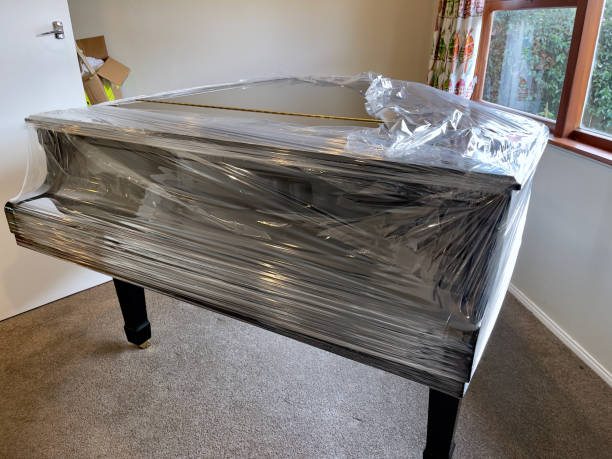
If you are carrying special items (musical instruments, sports equipment, mobility aids), check the relevant policies in advance.
Following these widely accepted practices helps reduce stress and keeps your journey on schedule. For a comprehensive overview of current baggage rules across major routes, mybaggageinfo.com offers a helpful reference.


 Abhay seo
 Yuvashakti Pune