President Tailors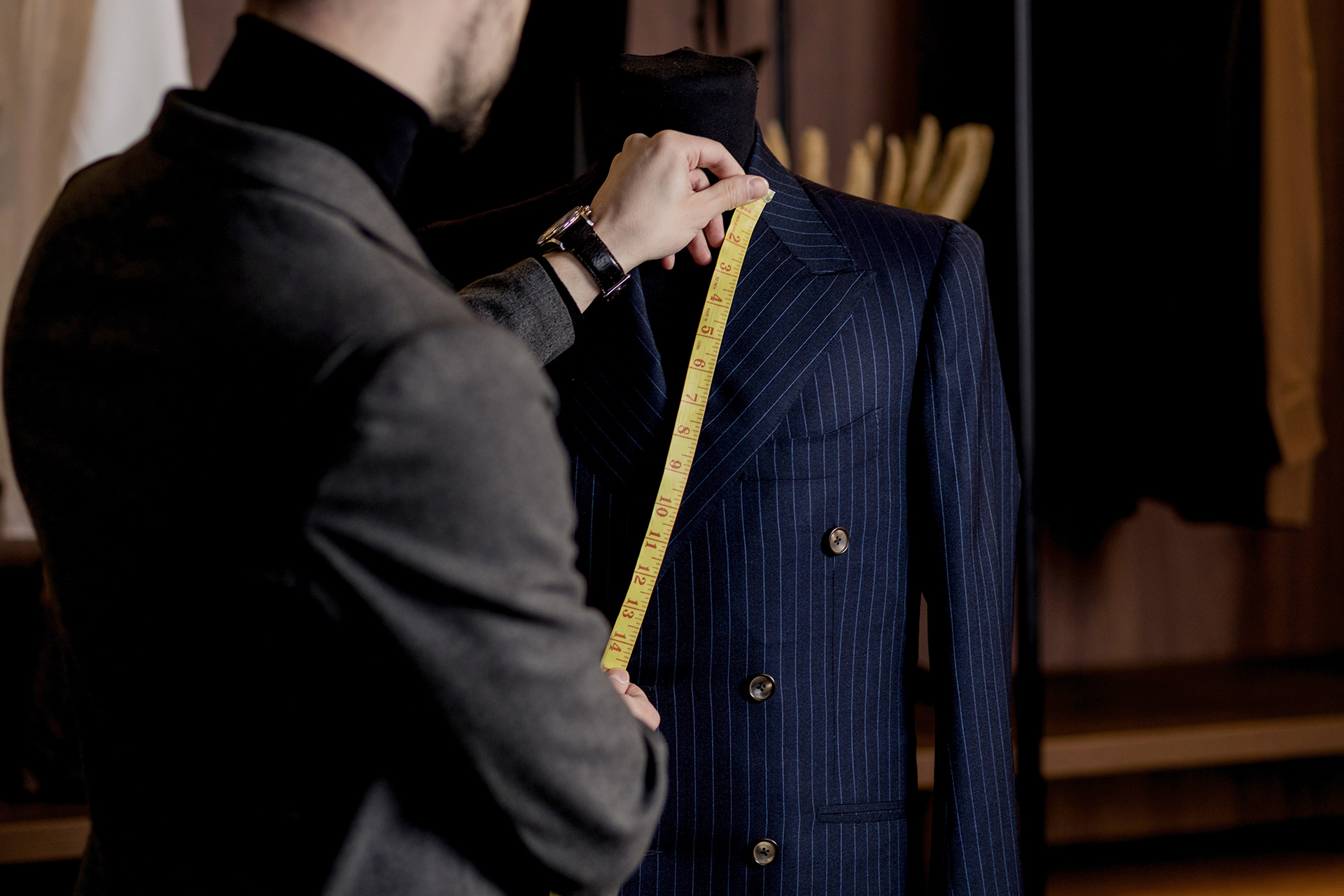
A bespoke suit is more than just clothing — it is craftsmanship, precision, and personal expression combined into one garment. Unlike off-the-rack or even made-to-measure suits, bespoke tailoring involves creating a suit entirely from scratch, built around your body measurements, posture, and style preferences.
In tailoring destinations like Bangkok, bespoke tailoring has become especially popular among professionals, grooms, and international travelers who want exceptional quality at competitive prices.
If you’ve ever wondered how a true bespoke suit is made, here’s a complete step-by-step guide to the process.
Step 1: Initial Consultation
The journey begins with a detailed consultation between you and the tailor.
During this session, you will discuss:
-
Purpose of the suit (business, wedding, formal event, daily wear)
-
Preferred style (British structured, Italian slim, or modern contemporary)
-
Fabric choices
-
Budget
-
Timeline
An experienced bespoke tailor will also analyze your posture, shoulder slope, body balance, and stance. This evaluation ensures the suit complements your natural shape rather than simply copying a standard size.
Step 2: Fabric Selection
Fabric plays a crucial role in both comfort and appearance.
You’ll typically choose from:
-
Super 100s–150s wool
-
Cashmere blends
-
Linen
-
Cotton
-
Silk blends
-
Tropical lightweight wool (ideal for warm climates)
For tropical regions like Thailand, breathable and lightweight fabrics are highly recommended. Your tailor will guide you based on climate, usage, and durability needs.
Fabric selection also includes choosing:
-
Lining material
-
Buttons
-
Thread color
-
Inner monogram (optional)
Step 3: Taking Detailed Measurements
Unlike ready-made suits that rely on standard sizing, bespoke tailoring requires extensive measurements — often 20–30 or more.
Measurements include:
-
Chest
-
Waist
-
Hips
-
Shoulder width
-
Sleeve length
-
Bicep circumference
-
Jacket length
-
Trouser rise
-
Inseam
-
Thigh width
-
Knee width
-
Ankle opening
Additionally, the tailor considers posture irregularities such as:
-
Forward head posture
-
Uneven shoulders
-
One arm longer than the other
-
Slight spinal curvature
These small details are what make bespoke truly personal.
Step 4: Pattern Drafting (The Foundation of Bespoke)
This is where bespoke tailoring differs most from made-to-measure.
A unique paper pattern is drafted specifically for you. It is not modified from a pre-existing template. The pattern is created according to your measurements and body structure.
This pattern becomes your personal blueprint and can be stored for future orders, ensuring consistency in fit.
Step 5: Cutting the Fabric
Once the pattern is ready, the fabric is carefully hand-cut. Precision is critical here because even a slight miscalculation can affect balance and alignment.
At this stage:
-
Canvassing (full or half canvas) is prepared
-
Interlinings are placed
-
Panels are shaped
High-end bespoke suits typically use full canvas construction, which provides better drape and longevity.
Step 6: First Fitting (Basted Fitting)
The first fitting is one of the most important stages.
The suit is loosely stitched together using temporary stitches (basting). It allows the tailor to evaluate:
-
Shoulder alignment
-
Chest drape
-
Jacket length
-
Sleeve pitch
-
Trouser fall
Adjustments are marked directly on the fabric during this session.
This stage ensures the suit begins to truly reflect your body shape.
Step 7: Second Fitting (Refinement Stage)
After alterations from the first fitting, the suit is reassembled more precisely.
At this stage:
-
Structure becomes more defined
-
Sleeves are properly attached
-
Lapels take shape
-
Trousers are refined
The tailor fine-tunes the silhouette, ensuring a clean, elegant line.
Step 8: Final Fitting
The final fitting ensures every detail is perfect:
-
Sleeve length shows the correct amount of shirt cuff
-
Jacket closes smoothly without pulling
-
Trouser break sits perfectly on shoes
-
Collar hugs the neck cleanly
-
Buttons align symmetrically
Any last minor adjustments are completed before delivery.
Step 9: Hand Finishing & Detailing
True bespoke suits involve significant handwork.
Details may include:
-
Hand-stitched lapels
-
Functional buttonholes (surgeon cuffs)
-
Pick stitching
-
Hand-set collar
-
Personalized monogram
These finishing touches elevate the suit from ordinary to exceptional.
Step 10: Final Delivery
Once completed, your bespoke suit is pressed, inspected, and presented for final approval.
A good tailor will also advise you on:
-
Suit care
-
Proper hanging
-
Steaming vs dry cleaning
-
Storage methods
With proper care, a well-crafted bespoke suit can last 10–15 years or more.
Why the Bespoke Process Matters
The beauty of bespoke tailoring lies in precision, personalization, and craftsmanship. It’s not simply about measurements — it’s about:
✔ Comfort
✔ Confidence
✔ Balance
✔ Long-term durability
✔ Unique identity
In renowned tailoring hubs like Bangkok, this traditional craft continues to blend heritage techniques with modern style preferences.
Final Thoughts
A bespoke tailor suit is an investment — not just financially, but stylistically. From consultation to final fitting, each step ensures the garment fits your body and personality perfectly.
When done properly, bespoke tailoring transforms how you look, how you feel, and how you carry yourself.

 pretty pixie
 fog essentials