Vishal Yadav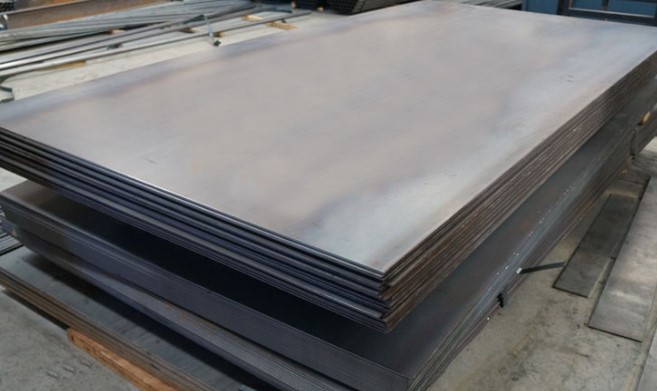
Carbon steel plate plays a crucial role in the shipbuilding and marine industry due to its strength, durability, and cost-effectiveness. A trusted Carbon Steel Plate Manufacturer supplies high-quality plates that meet strict marine standards for safety and structural performance. From hull construction to offshore platforms, carbon steel plates provide the mechanical strength and reliability required to withstand harsh ocean environments.
Why Carbon Steel Plate Is Used in Marine Applications
Shipbuilding and marine structures require materials that can handle heavy loads, wave impact, and continuous exposure to moisture. Carbon steel plates offer:
-
High tensile strength
-
Good weldability
-
Structural stability
-
Impact resistance
-
Cost efficiency for large-scale projects
These qualities make carbon steel one of the most widely used materials in maritime construction.
Key Properties for Marine Use
1. High Strength
Carbon steel plates provide excellent load-bearing capacity, making them ideal for hull structures, decks, and support frames.
2. Good Weldability
Ship structures involve extensive welding. Carbon steel plates can be easily welded without compromising structural integrity.
3. Toughness and Impact Resistance
Marine vessels experience dynamic forces from waves and cargo loads. Carbon steel absorbs shock effectively, reducing the risk of cracking.
4. Versatility in Thickness
Available in various thickness ranges, carbon steel plates can be customized for different parts of a ship or marine structure.
Major Applications in Shipbuilding
1. Ship Hull Construction
The hull is the primary structural component of a vessel. Carbon steel plates provide the strength required to resist water pressure and mechanical stress.
2. Deck and Bulkheads
Used in deck plating and internal bulkheads, carbon steel ensures structural stability and safety.
3. Offshore Platforms
Marine oil rigs and offshore structures use carbon steel plates for foundations, columns, and support systems.
4. Storage Tanks and Containers
Ships transporting oil, chemicals, and bulk materials use carbon steel plates in tank construction.
5. Structural Frameworks
Marine bridges, docks, and port infrastructure also rely on carbon steel plates for durability and load support.
Grades Commonly Used in Marine Industry
Marine-grade carbon steel plates are often manufactured according to classification standards such as:
-
ASTM A36
-
ASTM A131 (Shipbuilding steel)
-
ABS (American Bureau of Shipping) standards
These certifications ensure the steel meets safety and mechanical performance requirements for marine applications.
Benefits in Marine Structures
Cost-Effective Solution
Compared to specialized alloys, carbon steel offers strong performance at a more economical price.
Easy Fabrication
Its machinability and weldability make large-scale ship construction efficient.
Long Service Life
When properly coated and maintained, carbon steel plates offer extended durability in marine environments.
Structural Reliability
Provides dependable performance under heavy loads and challenging weather conditions.
Corrosion Protection in Marine Environments
While carbon steel is strong, it requires protective coatings to resist corrosion caused by saltwater exposure. Common protection methods include:
-
Epoxy coatings
-
Galvanizing
-
Cathodic protection systems
-
Marine-grade paint systems
With proper treatment, carbon steel plates perform effectively in marine conditions.
Conclusion
Carbon steel plate remains a fundamental material in shipbuilding and marine structures due to its strength, weldability, and affordability. From hull construction and offshore platforms to marine infrastructure, it provides structural integrity and reliability in demanding ocean environments. Choosing high-quality carbon steel plates ensures safety, durability, and long-term performance in marine applications.


 nikita pawar