Nevera Auto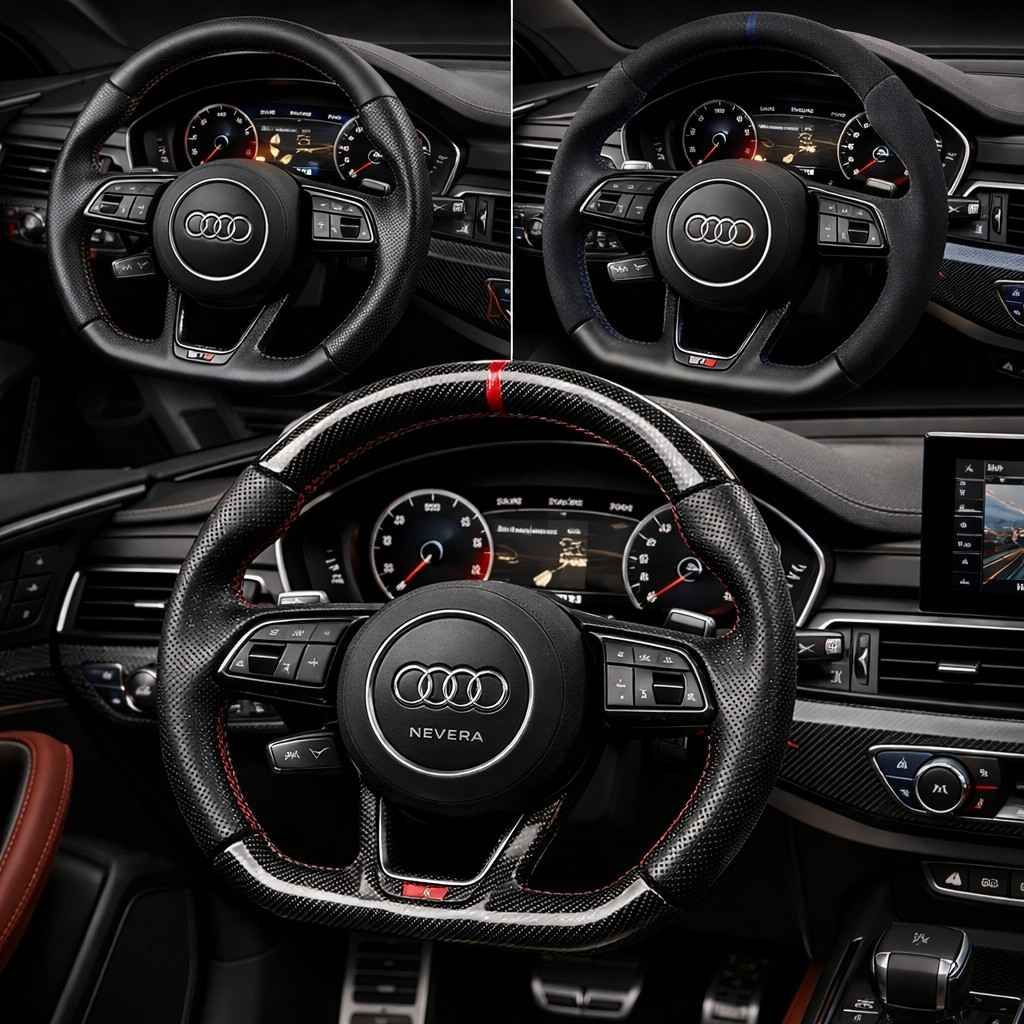
Steering wheels endure daily wear from hands gripping them through commutes, long drives, and sharp turns. Over time, cracked leather, faded finishes, or worn padding make them look dated and feel uncomfortable, prompting many Australian drivers to consider replacements. This guide explores the legal requirements, practical steps, and key considerations for changing a steering wheel in Australia, ensuring safety and compliance every step of the way.
Legal Framework for Modifications
Australia maintains strict roadworthiness standards under the Australian Design Rules (ADRs), particularly ADR 10 for steering systems. Replacing a steering wheel qualifies as a vehicle modification, so it must not compromise safety features like airbags or horn function. States like New South Wales and Victoria require approval through a modification plate or engineering certification for non-factory parts, as unapproved changes can lead to defect notices during registration inspections.
Authorities such as VicRoads and Transport for NSW emphasise retaining original airbag systems, which integrate with the vehicle’s electronics. Aftermarket wheels must match OEM specifications for diameter (typically 350-400mm), spline count, and mounting depth to avoid handling issues. Failure to comply risks fines up to $3,000 or vehicle impoundment, depending on the jurisdiction. Always check state-specific guidelines via official transport department websites before starting.
Assessing Compatibility and Safety
Begin by verifying compatibility with your vehicle’s make and model. Measure the steering column spline count (common counts are 48 or 52 splines) and hub adapter needs, as mismatches prevent secure installation. Airbag-equipped wheels demand compatible clockspring wiring to maintain Supplemental Restraint System (SRS) functionality; bypassing this triggers dashboard warning lights and potential insurance voids.
Safety stands paramount. Opt for wheels certified to ADR standards, featuring reinforced spokes and non-slip grips to handle emergency maneuvers. Leather or Alcantara wraps improve control in wet conditions, while thicker grips reduce fatigue on highways. Avoid overly flat-bottomed or oversized designs, as they alter leverage and increase crash risks, per Australian Automobile Association recommendations. Professional fitment ensures proper torque (around 40-50Nm) on the central bolt to prevent detachment.
Types of Replacement Options
Stock replacements restore factory feel with genuine parts from wreckers, offering cost savings around $200-500. These suit daily drivers prioritising reliability. Aftermarket upgrades elevate comfort and style, such as perforated leather for breathability or carbon fiber accents for lighter weight and rigidity.
Custom retrims refresh existing wheels without full replacement. Specialists strip worn covers, repair foam padding, and apply UV-resistant leather in colours like black, red, or two-tone schemes, extending lifespan by years. For luxury touches, wood inlays or heated elements add premium appeal, though they require electrical integration. Quick-release hubs appeal to track enthusiasts, allowing easy swaps while complying with road laws when secured. Prices range from $300 for basic retrims to $1,200 for high-end customs.
Step-by-Step Replacement Process
Preparation involves disconnecting the battery for 15 minutes to discharge the airbag capacitor to prevent accidental deployment. Remove the airbag module by releasing clips or Torx screws, then loosen the central nut counterclockwise while counter-holding the wheel to avoid spline damage. Mark the wheel’s position for realignment and pull it off the spline.
Transfer components like the clockspring, horn contacts, and cruise control switches to the new wheel, ensuring wires face no twists that could cause shearing. Install the replacement, torque to spec, and reinstall the airbag with fresh connectors. Reconnect the battery, turn the ignition to check for SRS lights (they should extinguish after a cycle), and test horn operation. A full alignment check follows to confirm straight tracking. This process takes 1-2 hours for experienced DIYers but demands tools like a spline socket and torque wrench.
Professional vs DIY Installation
DIY suits mechanically inclined owners with garage space, saving $200-400 in labour. However, airbag handling requires training to avoid detonation risks, and errors often trigger costly ECU resets ($150+). Professionals, like certified auto trimmers, manage these hazards with specialised tools and insurance coverage.
In Australia, seek workshops experienced in European brands, as they handle complex electronics. Expect $150-300 labour, plus parts. Post-install, a roadworthy certificate validates the mod for registration renewal. Track days may need additional FIA certification for quick-release setups.
Cost Breakdown and Maintenance Tips
Basic stock swaps cost $250-600, including parts and DIY. Premium aftermarket setups, like those with Audi Steering Wheel styling, run $800-2,000 fitted. Retrims offer value at $350-700, preserving the original hub. Factor in adapters ($50-150) and alignment ($100).
Maintain your investment by cleaning with pH-neutral wipes weekly and conditioning leather monthly to fend off cracks. Avoid sun exposure with wheel covers during parking. Inspect annually for loose spokes or wiring wear, especially pre-roadworthy tests. Upgrading enhances driving pleasure while upholding safety.
Benefits of Upgrading Your Steering Wheel
A quality replacement sharpens road feel, with better grips boosting confidence in corners. Ergonomic designs reduce hand strain on long hauls across the Nullarbor or urban traffic. Aesthetic refreshes personalise your cabin, increasing resale value by signalling cared-for maintenance. Insurers view compliant mods favorably, avoiding premium hikes.
Environmentally, retrimming extends wheel life, cutting waste versus new production. For tailored solutions, Nevera Auto provides expert guidance on premium upgrades that meet Australian standards, ensuring your vehicle performs at its best.


 Prozone cc
 packers movers