Ethan Oliver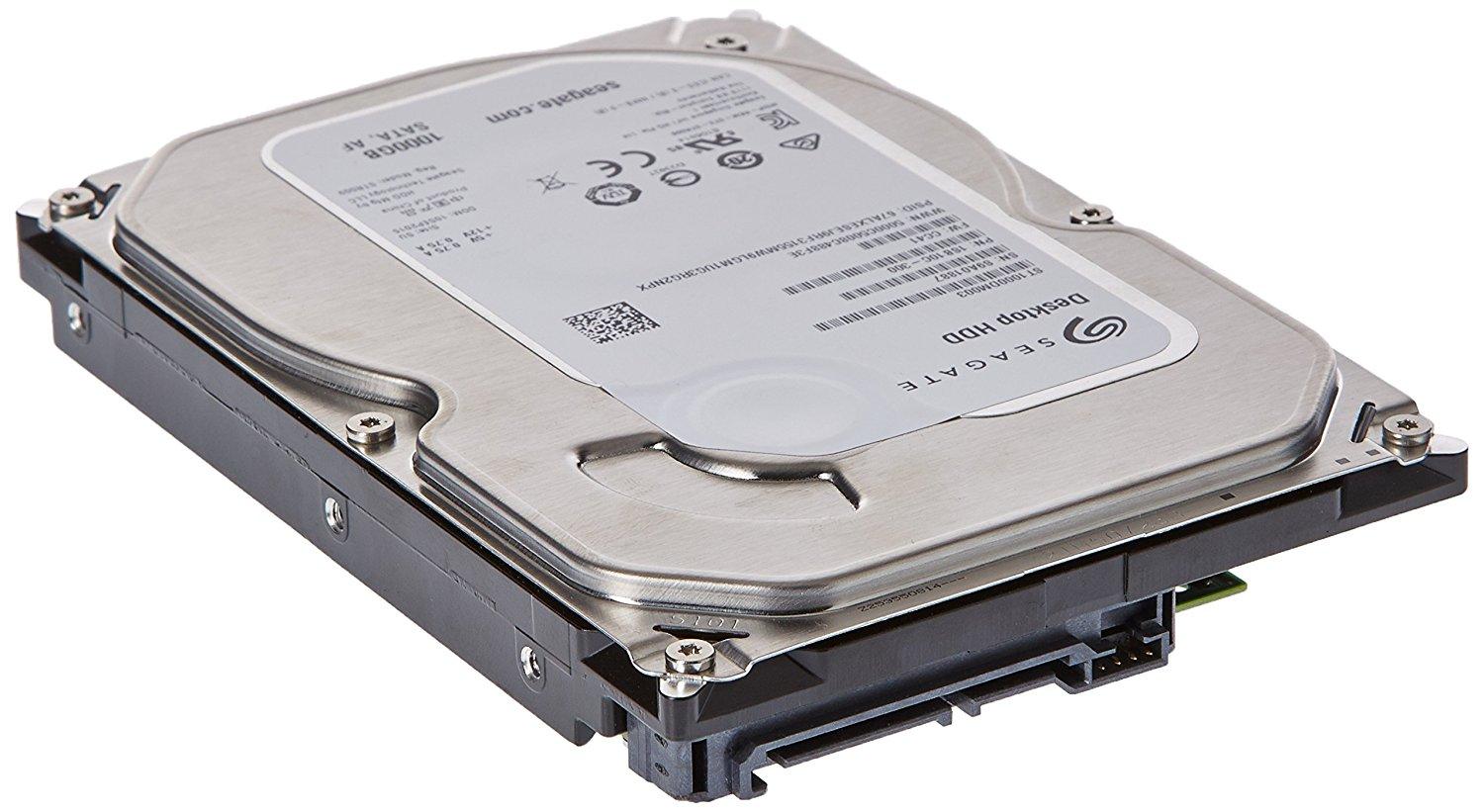
In today’s digital world, storage plays a crucial role in the performance of any computer system. Among various storage solutions, the desktop hard drive remains one of the most widely used components in IT hardware and computer hardware setups. A desktop hard drive is responsible for storing operating systems, applications, personal files, and professional data, making it an essential part of modern computing.
Despite the rise of solid-state drives, desktop hard drives continue to be popular due to their affordability, high storage capacity, and reliability. Whether used in home PCs, office systems, or enterprise environments, these drives support daily computing tasks and long-term data storage needs.
Understanding Desktop Hard Drive Technology
A desktop hard drive is a traditional storage device that uses magnetic disks, known as platters, to store data. These platters rotate at high speeds, while a read/write head accesses information from the surface. This mechanical process allows data to be written, read, and modified efficiently.
In computer hardware systems, desktop hard drives typically connect via SATA interfaces, ensuring compatibility with most modern motherboards. Their design enables them to store massive amounts of data, ranging from hundreds of gigabytes to several terabytes, making them ideal for users who require large storage capacity.
Role of Desktop Hard Drive in IT Hardware
In IT hardware infrastructure, the desktop hard drive plays a vital role in maintaining data accessibility and system reliability. Offices, educational institutions, and businesses rely on these drives to store documents, databases, and application files.
Servers and workstations often use multiple desktop hard drives configured in RAID setups to improve performance and data security. This makes them an important component in professional environments where continuous data access is required.
Types of Desktop Hard Drives
Internal Desktop Hard Drive
Internal desktop hard drives are installed inside computer cases and serve as the primary storage device. They are commonly used to store operating systems, software, and personal files. These drives are the foundation of most computer hardware configurations.
External Desktop Hard Drive
External desktop hard drives are portable storage devices connected through USB or Thunderbolt interfaces. They are widely used for backups, data transfer, and offsite storage. In IT hardware environments, external drives help protect data from hardware failure and cyber threats.
Enterprise Desktop Hard Drive
Enterprise-level desktop hard drives are designed for high-performance and continuous operation. They are optimized for durability, speed, and reliability, making them suitable for data centers and corporate systems.
Key Features of a Desktop Hard Drive
When choosing a desktop hard drive, several important features should be considered:
-
Storage Capacity: Determines how much data can be stored
-
Rotational Speed (RPM): Affects performance and data access speed
-
Cache Memory: Improves data transfer efficiency
-
Interface Type: SATA is the most common interface
-
Durability: Ensures long-term reliability
These features directly influence how well the drive performs within IT hardware and computer hardware systems.
Advantages of Using Desktop Hard Drives
One of the biggest advantages of a desktop hard drive is its cost-effectiveness. Compared to SSDs, hard drives offer significantly more storage at a lower price, making them ideal for budget-conscious users.
Another benefit is their suitability for large data storage. Video files, backups, gaming libraries, and multimedia projects require extensive space, which desktop hard drives can easily provide.
Additionally, these drives are highly compatible with most computer hardware platforms, making installation and upgrades simple and accessible.
Desktop Hard Drive vs Solid-State Drive
While SSDs are gaining popularity, desktop hard drives still have a strong presence in the market. SSDs provide faster speeds, but they are more expensive per gigabyte. On the other hand, a desktop hard drive offers higher capacity at a lower cost.
Many users combine both technologies by using SSDs for operating systems and desktop hard drives for bulk storage. This hybrid setup is widely used in IT hardware systems to balance performance and affordability.
Impact of Desktop Hard Drive on System Performance
The performance of a computer is closely linked to its storage device. A high-quality desktop hard drive ensures smooth file access, stable system operation, and reliable data management.
Although hard drives are slower than SSDs, modern models with higher RPM and cache sizes provide satisfactory performance for everyday tasks. In computer hardware setups focused on storage rather than speed, desktop hard drives remain an excellent choice.
Desktop Hard Drives for Gaming and Multimedia
Gamers and multimedia professionals often rely on desktop hard drives to store large game files, video projects, and media libraries. Modern games and editing software require hundreds of gigabytes of space, which these drives can easily provide.
By pairing SSDs for performance and desktop hard drives for storage, users can achieve a balanced system suitable for both speed and capacity. This approach is common in advanced IT hardware configurations.
Maintenance and Care of Desktop Hard Drives
Proper maintenance is essential to ensure the longevity of a desktop hard drive. Regular backups protect against data loss, while antivirus software prevents malware-related damage.
Defragmentation helps improve performance by organizing scattered data, especially in traditional hard drives. Monitoring tools can also detect early signs of failure, allowing users to replace drives before critical data is lost.
Maintaining storage devices properly ensures stability and reliability in computer hardware systems.
Security and Data Protection
Data security is a major concern in modern computing. Desktop hard drives can be protected through encryption, password protection, and secure backup systems.
In IT hardware environments, businesses often implement multi-layer security measures to protect sensitive information stored on desktop hard drives. These practices reduce the risk of unauthorized access and data breaches.
Future of Desktop Hard Drive Technology
The future of desktop hard drive technology continues to evolve with improvements in capacity, efficiency, and durability. Innovations such as helium-filled drives and advanced magnetic recording are increasing storage limits.
Although SSDs dominate performance-focused systems, desktop hard drives will remain essential for large-scale data storage in computer hardware and enterprise environments. Their role in data centers, backup systems, and archival storage ensures their long-term relevance.
Choosing the Right Desktop Hard Drive
Selecting the right desktop hard drive depends on individual needs:
-
Home users: Standard drives with moderate capacity
-
Gamers: High-capacity drives with SSD combinations
-
Professionals: High-RPM and enterprise-grade drives
-
Businesses: RAID-compatible storage solutions
Evaluating workload requirements helps users choose the most suitable drive for their IT hardware setup.
Conclusion
In conclusion, the desktop hard drive remains a fundamental component of modern IT hardware and computer hardware systems. Its affordability, high storage capacity, and reliability make it an excellent choice for personal and professional use.
From storing operating systems to managing large multimedia libraries, desktop hard drives continue to support essential computing functions. Understanding their features, benefits, and maintenance practices allows users to maximize performance and data security.
As technology advances, desktop hard drives will continue to play a vital role in digital storage solutions, supporting future innovations and expanding data requirements across industries.


 Finn john
 Thatware LLP